


Pakistan Conducts Airstrikes in Afghanistan, Resulting in 36 Civilian Deaths
The CSR Journal Magazine

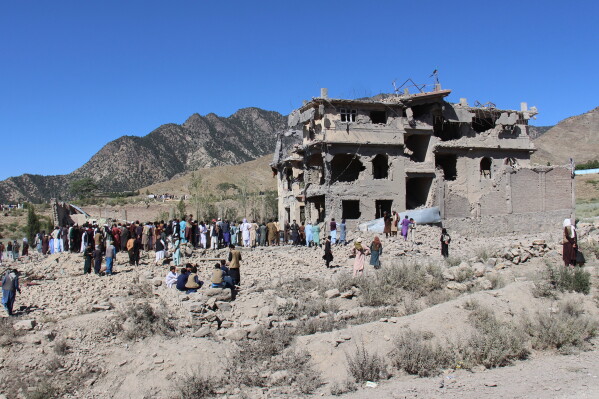
On June 29, 2026, reports emerged stating that at least 36 civilians lost their lives and over 160 were injured due to airstrikes carried out by the Pakistani military on Afghan territory. Afghan officials described the strikes as a significant escalation in the ongoing border tensions between the two nations. These events unfolded overnight, drawing sharp condemnation from Afghan authorities.

According to a statement from the Afghan government, the airstrikes impacted residential areas, causing widespread panic and devastation. Hamdullah Fitrat, the deputy spokesperson for the Taliban administration, noted that a strike in the Chamkani district of Paktia province resulted in the deaths of an elderly man and a child, with several family members injured. He further revealed that subsequent strikes hit locals who had gathered to assist the victims, leading to additional fatalities among the villagers.

In another incident, Fitrat mentioned that six individuals, primarily women and children, were killed in Giyan district of Paktika province due to similar bombardments. Another reported strike occurred in Kunar province, where a civilian house was hit, resulting in the loss of around 30 livestock without human casualties.

Pakistan’s Justification for Military Action

In defence of the airstrikes, the Pakistani government claimed that its security forces conducted a ground operation late on June 28, followed by targeted airstrikes on militant hideouts and safe zones. Information Minister Attaullah Tarar asserted that these operations were a response to a series of militant attacks within Pakistan, which he claimed had become increasingly frequent in recent years.

Pakistan’s military indicated that the operation led to the death of 29 militants, a statement that underscores the ongoing violence attributed to groups like Tehrik-e-Taliban Pakistan (TTP) and its affiliates. The TTP, while separate, is generally allied with the Afghan Taliban, which has been in power since 2021.

The Pakistani operation followed a recent militant attack on the paramilitary Rangers in Karachi, which resulted in the deaths of three soldiers. During the ensuing confrontation, security forces killed three assailants and arrested an Afghan national believed to be involved. Jamaat-ul-Ahrar, a faction of the TTP, has claimed responsibility for the Karachi incident.

Continued Tensions and Failed Peace Efforts

This latest military engagement marks a continuation of hostilities that have strained Pakistan-Afghanistan relations. The strikes on June 29 occurred less than three weeks after Pakistan conducted its prior military operations against militant targets in Afghanistan, reflecting ongoing instability in the region.

Since February, both nations have experienced a cycle of retaliatory attacks, resulting in hundreds of casualties. Despite various diplomatic efforts, including interventions by China to mediate discussions in April, attempts to establish a ceasefire have not succeeded. The situation remains volatile, with both nations reporting increased military activity and violence, despite previous promises to seek peaceful resolutions.

The ongoing conflict highlights the complexity of security challenges posed by militant groups and the difficulties faced in diplomatic negotiations aimed at resolving longstanding border disputes. Both nations continue to navigate this precarious situation, with civilian casualties underscoring the human toll of the conflict.

Long or Short, get news the way you like. No ads. No redirections. Download Newspin and Stay Alert, The CSR Journal Mobile app, for fast, crisp, clean updates!

App Store –  https://apps.apple.com/in/app/newspin/id6746449540 

Google Play Store – https://play.google.com/store/apps/details?id=com.inventifweb.newspin&pcampaignid=web_share

Latest News

Popular Videos
