


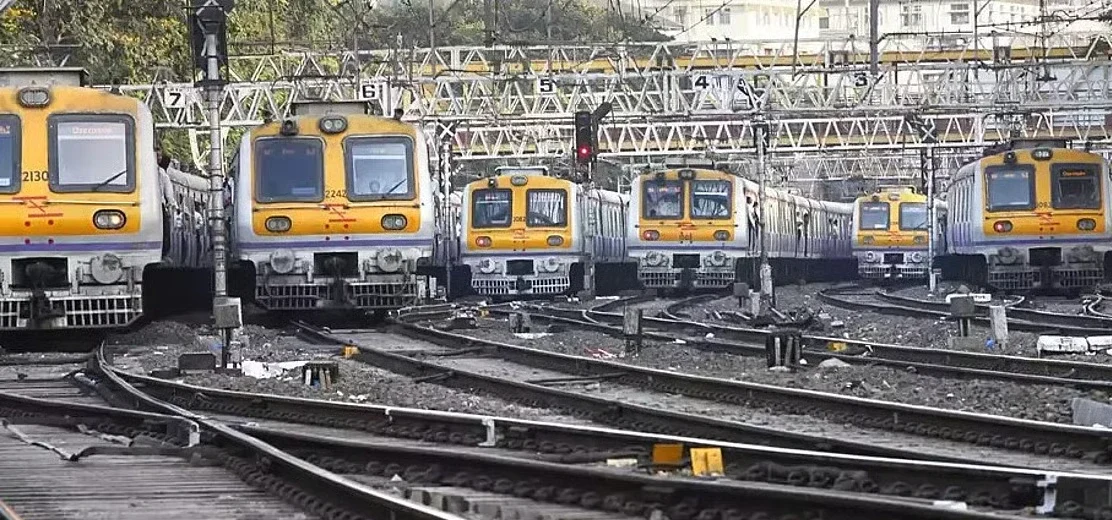

In a major boost to the city’s suburban rail network, Central and Western Railways have launched several infrastructure projects worth ₹18,364.94 crore to expand and modernize the Mumbai Local Train system. Covering over 400 kilometers, these upgrades aim to reduce congestion, improve punctuality, and enhance overall passenger experience.
Central Railway: Key Projects Underway
Central Railway is progressing on multiple crucial projects:
-
CSMT–Kurla 5th & 6th Line: A 17.5 km addition to increase train frequency and reduce delays, targeted for completion by December 2025.
-
Panvel–Karjat Suburban Corridor: A 29.6 km corridor to introduce new local services, cutting travel time and offering alternate routes.
-
Kalyan–Asangaon 4th Line & Kalyan–Badlapur 3rd & 4th Line: These lines will allow more trains, reduce crowding, and ensure smoother operations.
-
Kalyan–Kasara 3rd Line & Asangaon–Kasara 4th Line: Will enhance peak-hour operations and connectivity to North Mumbai.
-
Airoli–Kalwa Elevated Corridor & Nilje–Koper Double Line: Short routes improving connectivity between Thane and Navi Mumbai, also increasing freight and passenger capacity.
Once completed, these projects will enable faster, more frequent services on the Central Line, reducing commuter stress and improving long-distance train operations.
Western Railway: Rapid Expansion
Western Railway is also undergoing significant upgrades:
-
Mumbai Central–Boriwali 6th Line & Goregaon–Boriwali Harbour Line Expansion: Will ease congestion and reduce train-changing for Harbour Line commuters.
-
Boriwali–Virar 5th & 6th Line & Virar–Dahanu 3rd & 4th Line: Large-scale projects to increase train frequency and improve travel for Palghar and Virar passengers.
-
Naigaon–Juichandra Double Line: Strengthening connectivity for Konkan-bound and Goa-bound trains.
-
These upgrades will make Western Suburbs services smoother, faster, and safer, benefiting millions of daily commuters.
Major Benefits for Passengers
Once fully operational, the projects will:
-
Increase the capacity of the suburban network.
-
Reduce travel time and crowding.
-
Improve punctuality and comfort.
-
Enhance long-distance and freight operations.