


Monsoon Emerges As New Threat To Inflation In India
The CSR Journal Magazine

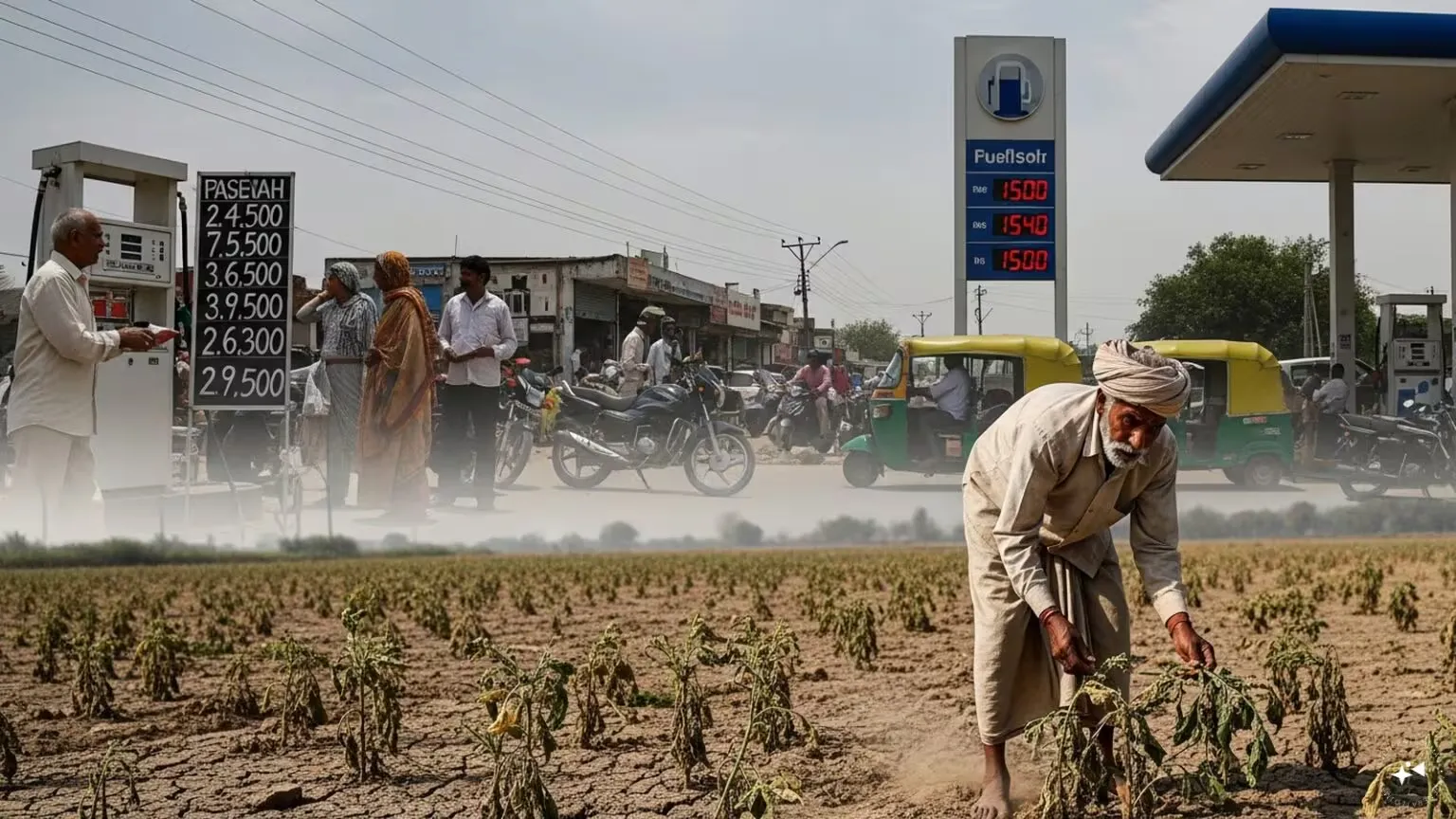
The latest discussions surrounding inflation in India indicate a notable shift in focus. While crude oil prices were previously seen as the primary threat, economists now suggest that inadequate rainfall poses a greater risk to inflation. The situation in West Asia has stabilised following a peace agreement between the US and Iran, resulting in a decline in oil prices and alleviating fears of significant supply disruptions.

Recent statistics revealed that India’s retail inflation climbed to 3.93% in May from 3.48% in April, primarily driven by increased food and fuel costs. Concurrently, wholesale inflation surged to 9.68%, reflecting ongoing energy price influences. The Reserve Bank of India (RBI) has adjusted its inflation forecast for FY27, elevating it to 5.1% from 4.6% due to escalating energy expenses and rising uncertainties.

Dr Manoranjan Sharma, Chief Economist at Infomerics Ratings, highlights that the risk of inflation is now predominantly linked to rainfall rather than crude oil prices. He emphasises that poor monsoon conditions can significantly affect food production, which comprises a critical part of the Consumer Price Index (CPI) basket in India.

Potential Impact On Grocery Costs

For consumers, the implications of diminished monsoon rains are most apparent in the prices of groceries, particularly vegetables. A weak monsoon results in reduced agricultural output, which in turn tightens supplies and drives up prices. According to Sharma, historical data suggests that inadequate rainfall during El Niño years typically leads to steep increases in food inflation.

He further notes that the impact of a weak monsoon could result in an increase of monthly expenses ranging from Rs 1,000 to Rs 3,000 for middle-income urban families. Lower-income households, which dedicate a higher percentage of their income to food, may face even greater financial strain. In rural areas, households could encounter what Dr Sharma describes as a “double whammy” of increasing food costs alongside declining farm incomes.

This surge in costs, compounded by elevated transport and service expenses, presents a considerable challenge for many families as they navigate their finances in the current economic climate.

RBI Monitors Inflation Dynamics Closely

The inflation outlook is crucial not only for households but also for policymakers. With retail inflation remaining within the RBI’s acceptable range, signs of price pressures are becoming evident. The recent increase in inflation numbers highlights the need for ongoing scrutiny of economic conditions. The RBI’s revised forecast indicating an elevation in inflation for FY27 underscores the potential impact of a weak monsoon on food prices and overall economic stability.

Dr Sharma explains that a decrease in rainfall could complicate the RBI’s efforts to manage inflation. Reduced agricultural output could hinder the effectiveness of monetary policy, particularly in relation to interest rate cuts. He points out that food inflation’s prominence in household budgeting makes it a more pressing issue than fuel inflation for the general populace.

Furthermore, persistent food price increases could inhibit overall economic growth, particularly impacting rural consumption due to diminishing farm incomes.

Preparedness Against Inflationary Pressures

While experts remain vigilant regarding rainfall patterns, Dr Sharma cautions against equating current conditions with past inflation crises stemming from droughts. The improved state of the economy today positions it to better manage potential disruptions. Enhanced foodgrain stocks, broader irrigation coverage, and refined logistics systems are part of India’s arsenal to combat inflationary pressures.

Sharma concludes that while a weak monsoon may not precipitate a full-scale inflation crisis, it nevertheless stands to exert significant pressure on household budgets during a time when families are already facing increased living expenses. Thus, while fears surrounding fluctuating oil prices wane, the subsequent challenge from monsoon conditions looms large for the Indian economy.

Long or Short, get news the way you like. No ads. No redirections. Download Newspin and Stay Alert, The CSR Journal Mobile app, for fast, crisp, clean updates!

App Store –  https://apps.apple.com/in/app/newspin/id6746449540 

Google Play Store – https://play.google.com/store/apps/details?id=com.inventifweb.newspin&pcampaignid=web_share

Latest News

Popular Videos
