


Marco Rubio Says US Will Not Accept Iran’s Control Over Strait Of Hormuz Access
The CSR Journal Magazine

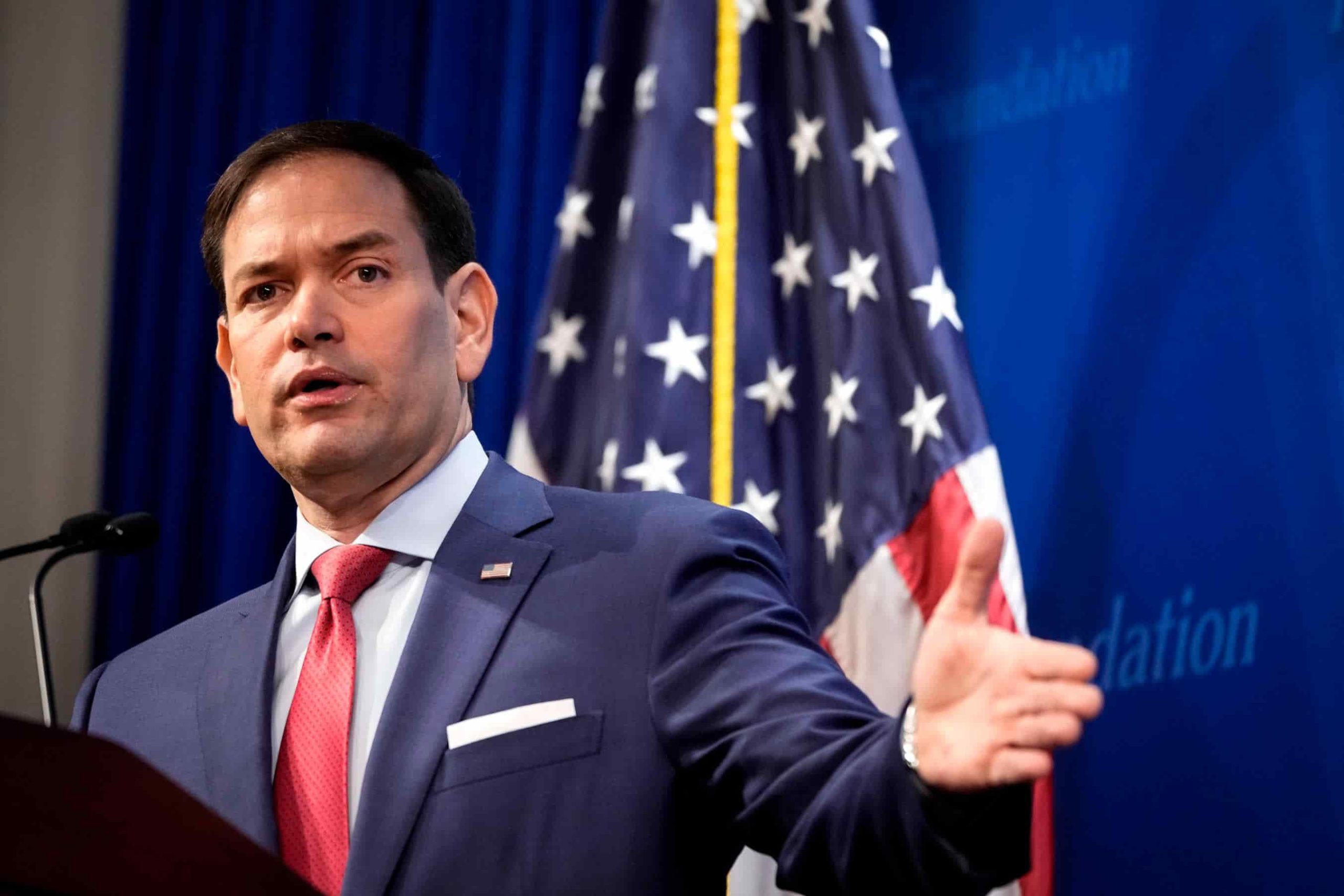
The US Secretary of State, Marco Rubio, has conveyed strong disapproval regarding Iran’s efforts to regulate or monetise vessel passage through the Strait of Hormuz. In a recent interview with Fox News on April 28, Rubio articulated that such actions would not be tolerated by Washington and would represent an illegitimate claim over this key international waterway. He emphasised that the US is committed to rejecting any attempts by Iran to establish a system dictating access to this critical maritime route.

Rubio clarified that if Iran’s notion of “opening the Straits” entails granting access contingent upon their approval, then it contradicts the notion of an open international waterway. His remarks underline the continued concerns regarding Iran’s influence in the region and the broader implications for global maritime security.

As tensions rise in the Gulf, Rubio’s statements highlight the delicate balance of maintaining open shipping routes amidst competing geopolitical interests. The Strait of Hormuz remains vital for global oil supplies, making it a focal point of international maritime trade.

Geopolitical Tensions and Maritime Security Concerns

The comments from Secretary Rubio come at a time when geopolitical tensions between the US and Iran are particularly high, with ongoing disputes regarding maritime security in the Gulf region. The Strait of Hormuz is critical for commercial shipping, with significant portions of the world’s oil traffic transiting through this narrow waterway. Reports of disruptions have raised alarms about the potential impact on global trade and energy supply chains.

Additionally, the urgency of the situation was echoed in a recent conversation between UK Prime Minister Keir Starmer and US President Donald Trump, where both leaders discussed the necessity of restoring maritime traffic in the region. During their phone call, they expressed concerns about the potential severe consequences for the global economy and high cost of living in both the UK and worldwide if shipping is not operational.

Both leaders are reportedly focused on the importance of collaborative diplomatic and security initiatives to safeguard maritime navigation, which may also involve updates from a joint effort spearheaded by the UK and France. This cooperation aims to enhance security measures in the Strait of Hormuz and stabilise maritime routes within the Gulf.

Iran’s Central Bank Confirms Revenue from New Transit Fees

This new fee system reportedly reflects Iran’s attempt to exert more control over the vital waterway, which has historically been a site of contention. The situation underscores the broader implications of Iran’s actions on international shipping and stabilisation efforts in the Gulf.

As diplomatic efforts continue to unfold, the situation remains fluid, with all parties involved monitoring developments closely. The US, alongside its allies, is under ongoing pressure to address the challenges posed by Iran in this strategic region, further complicating the maritime security landscape in the area.

Long or Short, get news the way you like. No ads. No redirections. Download Newspin and Stay Alert, The CSR Journal Mobile app, for fast, crisp, clean updates!

App Store –  https://apps.apple.com/in/app/newspin/id6746449540 

Google Play Store – https://play.google.com/store/apps/details?id=com.inventifweb.newspin&pcampaignid=web_share

Latest News

Popular Videos
