


Rupee Falls to New Record Low, Opening 21 Paise Weaker at 96.17 Against US Dollar
The CSR Journal Magazine

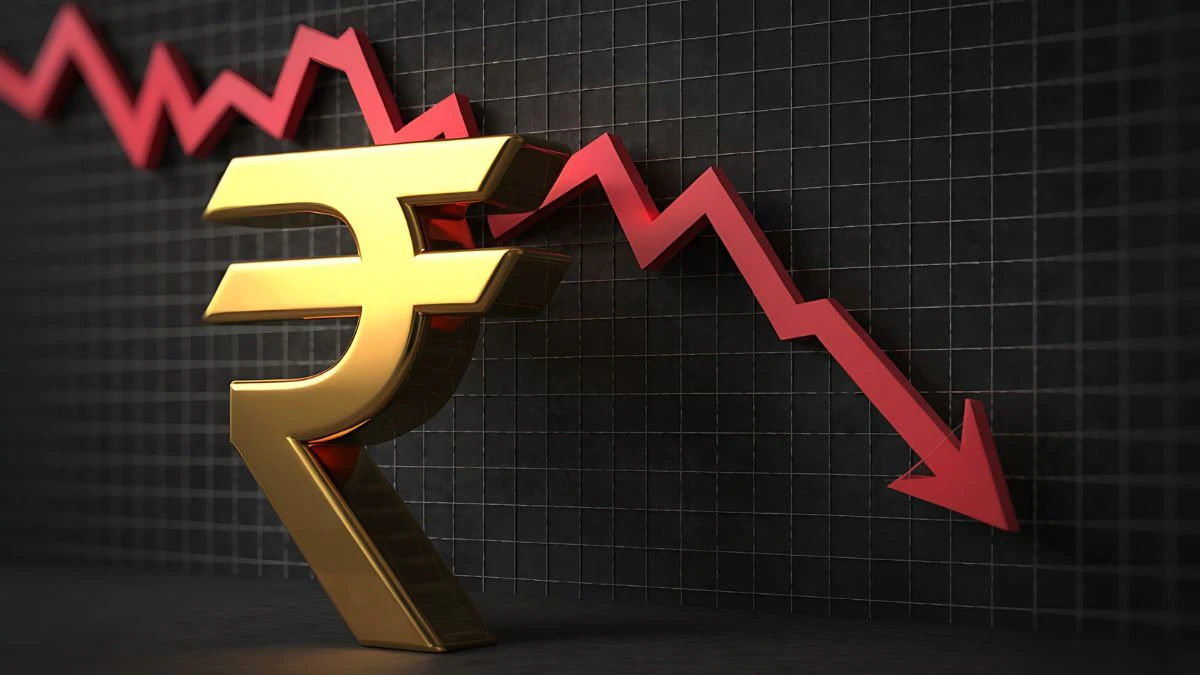
The Indian rupee commenced trading on May 18 with a decrease of 21 paise, reaching an unprecedented low of Rs 96.17 against the US dollar. This marked the first time the currency has breached the significant level of Rs 96 per dollar, following a previous closing of Rs 95.96 in the last trading session. The depreciation of the rupee is attributed to escalating geopolitical tensions and soaring oil prices, resulting in reduced investor confidence.

Impact of Rising Brent Crude Prices

On the same day, Brent crude oil prices experienced an increase of over one per cent, trading at $111 per barrel due to ongoing conflicts in West Asia. A recent incident involving an attack on a nuclear facility in the United Arab Emirates and a stalled negotiation process between the United States and Iran further contributed to heightened market instability. Analysts have pointed out that the repercussions of high oil prices significantly affect India’s import expenditures, thereby exacerbating the current account deficit.

The ramifications of rising oil prices extend beyond immediate currency fluctuations. Analysts speculate that unless there is a swift resolution to the geopolitical crises and a stabilisation of oil prices, the rupee could potentially approach ₹100 against the dollar. Foreign investor outflows owing to these adverse conditions have placed additional pressure on the currency, instigating concerns over its continued volatility.

Furthermore, the strengthening of the US dollar, arising from robust economic indicators from the United States, has adversely impacted emerging markets. The depreciation of the rupee reflects a broader trend affecting other currencies in the region, as investors seek safer assets in times of uncertainty.

Future Projections and Analyst Insights

Market experts, including analysts from Finrex Treasury Advisors, have expressed that immediate measures such as cessation of conflicts and reopening the strategic Strait of Hormuz are essential for curtailing the dollar’s demand in the rupee-pairing. Without proactive interventions from the Reserve Bank of India (RBI) to enhance dollar inflows, the situation may further deteriorate.

In light of the current market dynamics, the RBI’s response will be critical. Analysts recommend a potential need for strategies that facilitate capital flows and manage inflationary pressures stemming from rising oil prices. The balance between economic stability and currency valuation remains a pivotal concern for Indian policymakers.

The rupee’s trajectory will largely depend on global economic developments, including oil price trends and foreign investor behaviour. Stakeholders are closely monitoring the situation, as continued fluctuations could lead to more significant implications for India’s economic outlook in the coming months.

Long or Short, get news the way you like. No ads. No redirections. Download Newspin and Stay Alert, The CSR Journal Mobile app, for fast, crisp, clean updates!

App Store –  https://apps.apple.com/in/app/newspin/id6746449540 

Google Play Store – https://play.google.com/store/apps/details?id=com.inventifweb.newspin&pcampaignid=web_share

Latest News

Popular Videos
