


Heatwave Causes Surge in Ultraviolet Radiation Levels in India
The CSR Journal Magazine

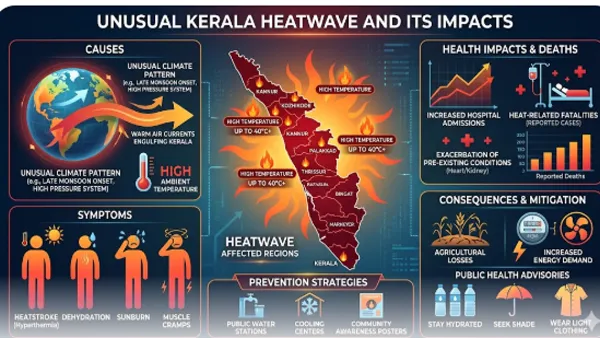
In response to a significant rise in ultraviolet (UV) radiation levels, Kerala’s health authorities recently issued advisories urging residents to exercise caution. This warning came shortly after the state experienced temperatures soaring beyond seasonal averages, coinciding with an intense pre-monsoon heatwave affecting much of the Indian subcontinent.

On May 18, 2026, the situation was further highlighted as various Indian cities recorded notably high UV radiation levels. New Delhi reported a UV level of 7.2 at approximately 3:15 pm, while Mumbai registered an even higher figure of 8.5. Thiruvananthapuram recorded a UV index of 6.9, illustrating the widespread nature of this issue across the region.

While heatwave warnings typically emphasise the risks of dehydration and heat stroke, the accompanying threat of elevated UV radiation often goes unnoticed. The dangers from the sun’s radiation, particularly during this time of year, are becoming increasingly important for residents to consider.

Understanding Ultraviolet Radiation

Ultraviolet radiation is a type of energy emitted by the sun, which is not visible to the human eye. It falls just beyond the violet end of the visible light spectrum and is categorised into three types: UVA, UVB, and UVC. Of these, UVC is almost entirely absorbed by the Earth’s atmosphere, preventing it from reaching the surface.

However, both UVA and UVB penetrate the atmosphere, with UVB being the more dangerous of the two. It is known to cause sunburn, direct damage to DNA within skin cells, and is a primary contributor to skin cancer. UVA, in contrast, penetrates deeper into the skin and is responsible for premature ageing and long-term cellular damage.

A critical aspect of UV radiation is its stealth; individuals often do not perceive it as a threat until visible skin damage occurs. The UV Index, a standardised measure of radiation intensity, ranges from 0 to 11+, with levels above 8 classified as very high and those above 11 as extreme. During the summer, parts of India can experience UV Index values between 10 and 13, particularly in southern states like Kerala and Tamil Nadu, which are further exposed due to their geographical position near the equator.

Factors Contributing to Increased UV Risk in India

India’s geographical positioning within the tropics allows for higher UV radiation throughout the year. When the sun is directly overhead, the path of UV radiation through the atmosphere is shorter, leading to less energy loss before reaching the ground. This contrasts with regions at higher latitudes, where the sun remains lower on the horizon, resulting in a longer, more diffuse path through the atmosphere.

Additionally, India’s seasonal changes, especially during the monsoon, can create a misleading impression of safety. On cloudy or hazy days, while visible light is inhibited, harmful UV rays can remain at dangerously elevated levels, exposing individuals who venture outdoors without proper protection.

The outdoor labour force in India, consisting of farmers, construction workers, and vendors, is particularly at risk. Many of these individuals spend prolonged periods under direct sunlight with minimal protective measures, and there is often a lack of awareness of UV-related health risks within this demographic.

Ultraviolet radiation poses immediate and long-term health effects. Common short-term outcomes include sunburn and skin irritation, while prolonged exposure can increase the risk of skin cancers and cater to cataracts, a noted cause of blindness in the country. Moreover, UV exposure can weaken the immune system, making individuals more vulnerable to infections, especially during periods of extreme heat.

Long or Short, get news the way you like. No ads. No redirections. Download Newspin and Stay Alert, The CSR Journal Mobile app, for fast, crisp, clean updates!

App Store –  https://apps.apple.com/in/app/newspin/id6746449540 

Google Play Store – https://play.google.com/store/apps/details?id=com.inventifweb.newspin&pcampaignid=web_share

Latest News

Popular Videos
