


Mango vs Watermelon: Hydration and Nutrition Compared
The CSR Journal Magazine

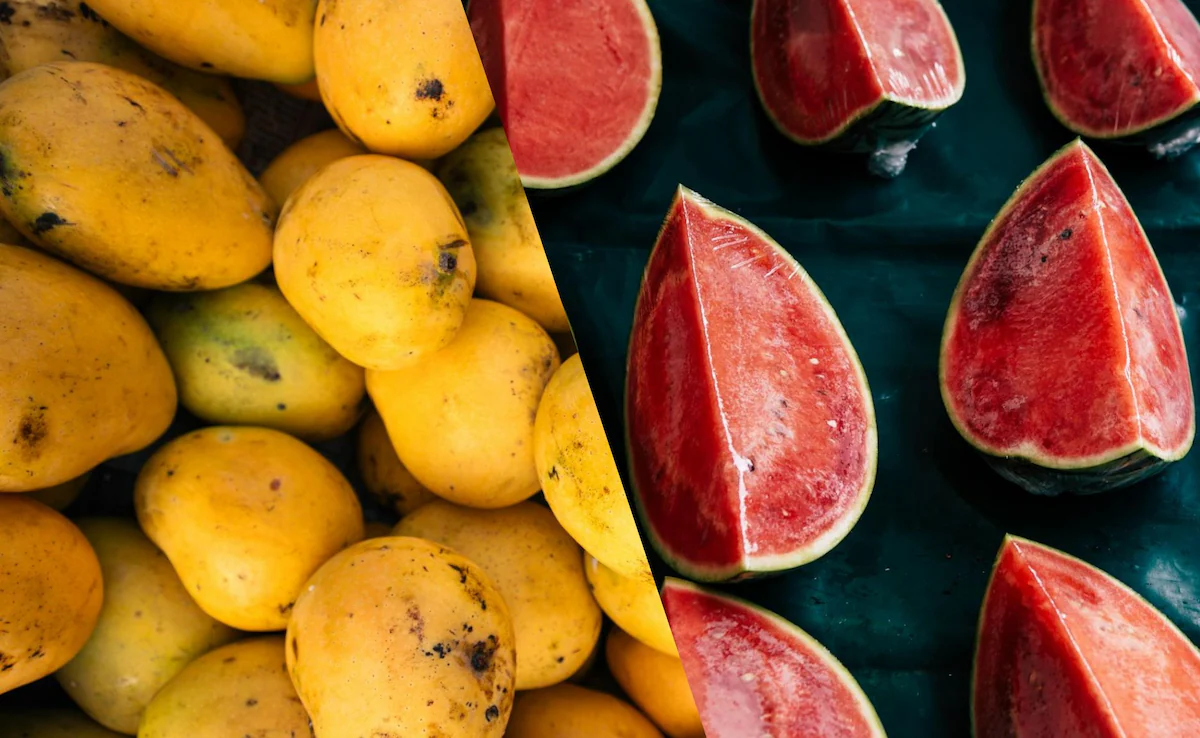
Mango and watermelon are two of the most sought-after fruits during the summer months as people look for refreshing options. Both fruits have unique properties that affect hydration and nutrition, making them popular choices for combating the heat. Understanding these differences can help consumers choose the right fruit according to their needs.

Hydration: Water Content Analysis

When considering hydration, watermelon distinctly leads the comparison. It comprises approximately 90 per cent water, making it an ideal choice for those seeking to stay hydrated during hot weather. The high water content aids in effective hydration, especially in peak summer when maintaining fluid balance is crucial.

Mango, in contrast, has a lower water content and is denser. While it still contributes to overall hydration, it does not provide the immediate cooling effect that watermelon does. Consumers seeking quick relief from heat may find watermelon a superior option in terms of hydrating capabilities.

Energy and Nutritional Profiles

Mango is known for its rich natural sugars, which can provide a swift energy boost, making it a filling option. Its sweetness appeals to many, especially when enjoyed fresh or in smoothies. Alongside energy, mango is a source of essential vitamins A and C, which support immune function and skin health.

On the other hand, watermelon is light and easy to digest, providing a refreshing sensation almost instantly. This fruit contains beneficial antioxidants such as lycopene, which may have various health benefits. Consumers who prioritise hydration and a cooling effect may find watermelon more appealing.

For individuals looking for a nutritious yet filling snack, mango is an excellent choice, particularly when consumed in moderation. It is essential to note that consuming excessive amounts of mango, especially in hot weather, could lead to discomfort due to its warming effect on the body.

Comparison of Digestive Effects

The ease of digestion varies significantly between these two fruits. Watermelon is generally well-received by the stomach, providing a light option that is less likely to cause feelings of heaviness. This makes it particularly suitable for summer consumption when digestive comfort is a priority.

Conversely, while mango offers substantial nutritional benefits, overeating can sometimes lead to discomfort. Particularly during the height of summer, individuals may experience a sense of heat in the body if consuming mango excessively. Moderation is vital when incorporating this fruit into a summer diet.

Choosing the Right Fruit for Your Needs

The decision between mango and watermelon ultimately hinges on individual requirements. Watermelon is the better choice for those aiming for hydration and a refreshing experience in warm weather. In contrast, mango serves well for those needing energy along with nutritional value, although it is best consumed in moderation and during the day.

In conclusion, understanding the distinct properties of mango and watermelon can aid consumers in making informed choices about their summer fruit selections. Each fruit brings unique advantages, allowing individuals to tailor their intake based on hydration needs and energy requirements.

Long or Short, get news the way you like. No ads. No redirections. Download Newspin and Stay Alert, The CSR Journal Mobile app, for fast, crisp, clean updates!

App Store –  https://apps.apple.com/in/app/newspin/id6746449540 

Google Play Store – https://play.google.com/store/apps/details?id=com.inventifweb.newspin&pcampaignid=web_share

Latest News

Popular Videos
