


Mamata Banerjee to Face Suvendu Adhikari in Kolkata as South Bengal Votes
The CSR Journal Magazine

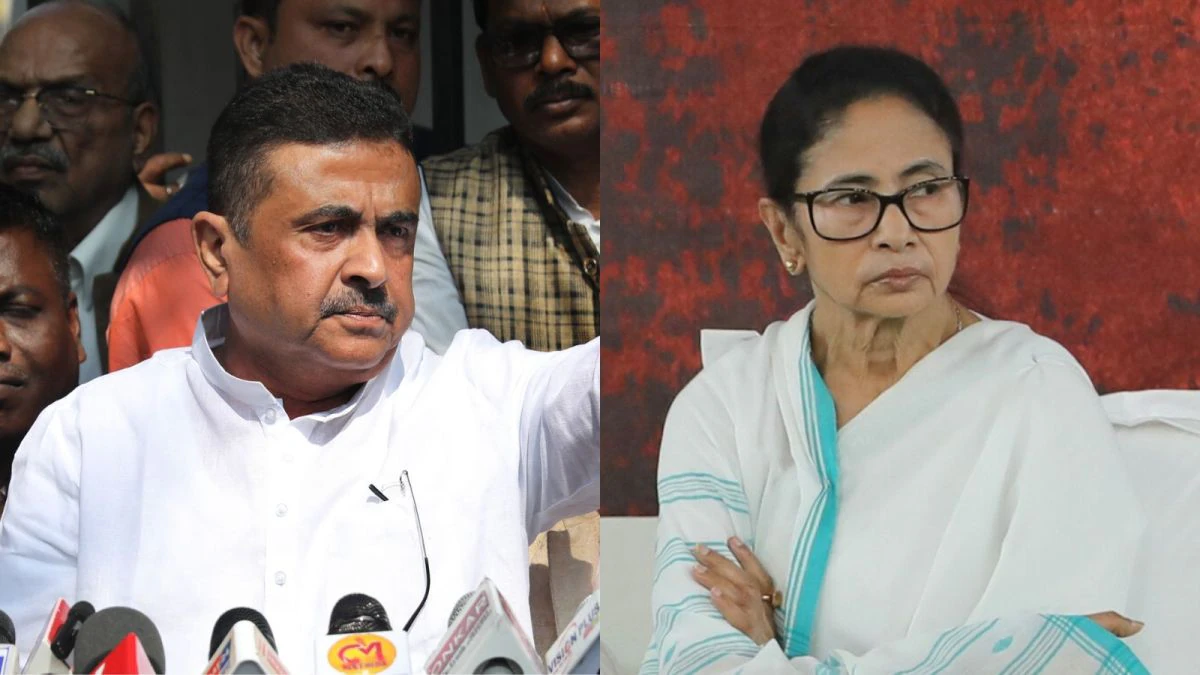
The upcoming voting on April 29 marks the second phase of the West Bengal Assembly elections, with Mamata Banerjee running against Suvendu Adhikari in a significant rematch. This contest is noteworthy as it occurs in Bhabanipur, the constituency where Banerjee aims to reclaim her stronghold after her defeat at Nandigram in the previous election cycle. Adhikari, representing the Bharatiya Janata Party, defeated her there in 2021, making their face-off particularly critical.

Banerjee is one of 1,448 candidates vying for 142 seats this phase, with approximately 3.22 crore voters eligible to participate across 41,001 polling stations in seven districts of South Bengal, including Kolkata. This phase poses two main questions: whether voter turnout can equal or surpass the 93.2 per cent recorded in Phase 1 and if the narrow margins seen in previous elections will persist.

Historically, Phase 2 districts have struggled to breach the 90 per cent turnout threshold since 2011, making this election a test of voter engagement and active participation. The election landscape is dense, with the average number of candidates per constituency standing at 10.2, showcasing the competitive nature of these elections.

Previous Election Insights

In the previous assembly elections in 2021, the closest contest occurred in Bangaon Dakshin in North 24 Parganas, where the BJP’s Swapan Majumder secured victory by a mere 2,004 votes. This time, he is challenged by Rituparna Addhya of the Trinamool Congress and Asish Sarkar from the Communist Party of India (Marxist). Kalyani in Nadia was another tightly contested seat, with the BJP winning by just 2,206 votes. The participation levels in these tightly contested areas are crucial for determining this phase’s outcome.

The combined electoral margin in the top ten closest races from 2021 totalled 53,737 votes, significantly fewer than the number of voters in a small constituency. In this round, the TMC holds six of these narrow leads while the BJP retains four, making this election pivotal for both parties as they attempt to hold or reclaim seats.

At Bhabanipur, the focal point of this electoral battle, Banerjee seeks to defend a seat vacated by Sobhandeb Chattopadhyay earlier in 2021. Their subsequent by-election bolstered her standing, but this rematch against Adhikari adds a layer of tension and competition to the upcoming vote.

Turnout Challenges and Voter Dynamics

This election’s turnout dynamics are further complicated by a reduced electoral roll. The current roll stands at 3.22 crore, approximately 34 lakh fewer voters compared to the previous election cycle in 2021. This decrease of 9.6 per cent is noted as the steepest seen in any polling cycle thus far, raising questions about voter engagement in the final phase.

Despite the contraction of the electoral list, Phase 1 saw a notable increase in voter turnout, indicating more engaged citizens. Approximately 19.8 lakh more voters participated in Phase 1 than in the corresponding constituencies during 2021, highlighting a potentially positive shift in voter enthusiasm, irrespective of a smaller eligible population.

If this trend continues through the second phase, voter turnout could approach or exceed the 90 per cent mark, a feat not achieved in the last decade. The key battlegrounds remain concentrated in regions such as Hugli, North 24 Parganas, Nadia, and Barddhaman, which collectively make up 84 of the 142 voting constituencies, underscoring their significance in the overall electoral outcome.

Long or Short, get news the way you like. No ads. No redirections. Download Newspin and Stay Alert, The CSR Journal Mobile app, for fast, crisp, clean updates!

App Store –  https://apps.apple.com/in/app/newspin/id6746449540 

Google Play Store – https://play.google.com/store/apps/details?id=com.inventifweb.newspin&pcampaignid=web_share

Latest News

Popular Videos
