


Just Two Days of Oats Can Significantly Reduce Cholesterol Levels
The CSR Journal Magazine

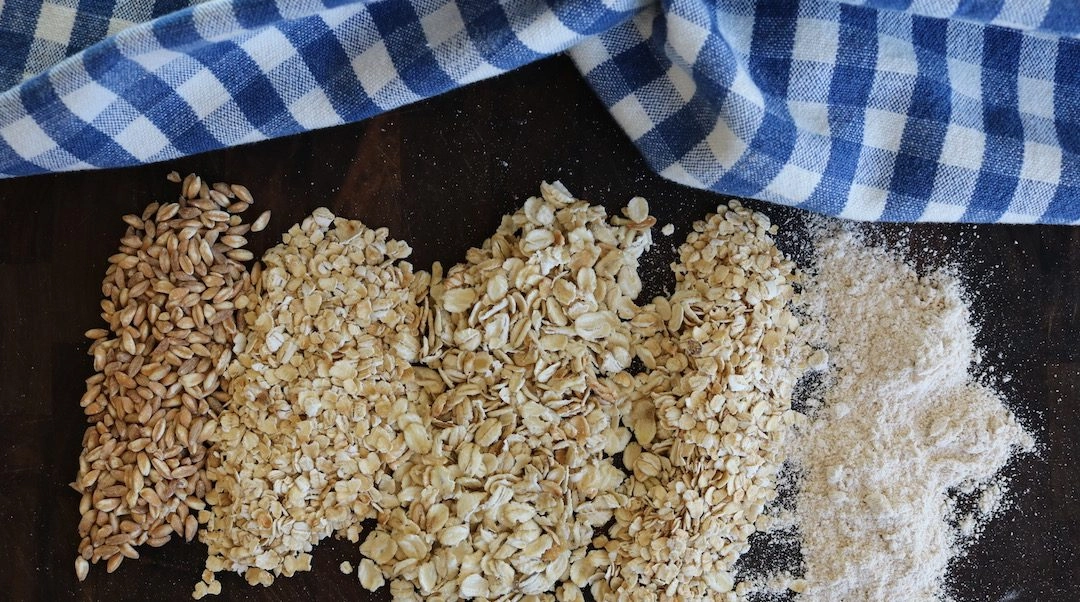
The recent study from the University of Bonn illuminates the positive impact of an oat-based diet on cholesterol levels. Researchers discovered that following such a diet for just two days could lead to substantial reductions in cholesterol, with effects that may persist for several weeks. This research underscores how even brief dietary adjustments can provide measurable health benefits, particularly for individuals at risk of metabolic disorders.

According to the study published in Nature Communications, the focus was on participants with metabolic syndrome who adhered to a strict oat diet. They consumed approximately 300 grams of oats daily, spread across three meals, supplemented with small servings of fruits and vegetables. The findings indicated a noteworthy decrease in LDL cholesterol, commonly known as ‘bad cholesterol’, which fell by around 10 per cent.

Additionally, participants reported an average weight loss of about 2 kg, and slight improvements in blood pressure were noted. Notably, the benefits observed persisted for six weeks. A control group on a moderate calorie-restricted diet did not achieve the same level of cholesterol reduction, further emphasising the oats’ effectiveness.

Mechanisms Behind Cholesterol Reduction

Researchers attributed the cholesterol-lowering effect of oats to alterations in the gut microbiome. The oat-based diet was found to enhance the population of beneficial gut bacteria, which produce metabolic-supporting compounds. One significant compound, ferulic acid, has been associated with improved cholesterol regulation.

Furthermore, oats appeared to lower levels of substances linked to insulin resistance, which is a critical issue in diabetes management. This suggests that the beneficial effects of oats are not limited to cholesterol levels but may also extend to broader metabolic health.

Interestingly, the study found that a short-term, high-intensity oat diet had a more pronounced impact than a longer-duration moderate intake. Participants consuming 80 grams of oats daily for six weeks reported only minor improvements, contrasting sharply with those who engaged in the two-day intensive oat regimen. This suggests that concentrated dietary interventions may provide quicker metabolic advantages.

Incorporating Oats into Daily Nutrition

While the study employed a rigid oat-only dietary plan, health experts advise against extreme diets as a daily practice. Regular inclusion of oats, known for their high fibre content, can support heart health effectively. A single cup of oats contains approximately 4 to 6 grams of fibre, which contributes to the daily recommended intake of 25 to 35 grams.

Experts recommend incorporating oats into a balanced diet alongside other fibre-rich foods, such as fruits, vegetables, and whole grains. Such an approach can help achieve the necessary fibre levels without resorting to restrictive dieting.

The study’s findings serve as a reminder of the profound influence diet can have on heart health. However, medical professionals advise that individuals with high cholesterol or existing health conditions should seek guidance before implementing significant dietary changes. While the two-day oat-based regimen shows promise for an immediate reduction in bad cholesterol levels and improved metabolic health, long-term health benefits rely on consistent healthy eating patterns, ongoing medical care, and tailored health advice.

Long or Short, get news the way you like. No ads. No redirections. Download Newspin and Stay Alert, The CSR Journal Mobile app, for fast, crisp, clean updates!

App Store –  https://apps.apple.com/in/app/newspin/id6746449540 

Google Play Store – https://play.google.com/store/apps/details?id=com.inventifweb.newspin&pcampaignid=web_share

Latest News

Popular Videos
