


Jairam Ramesh Criticises PM Modi’s Actions on Great Nicobar Island Project
The CSR Journal Magazine

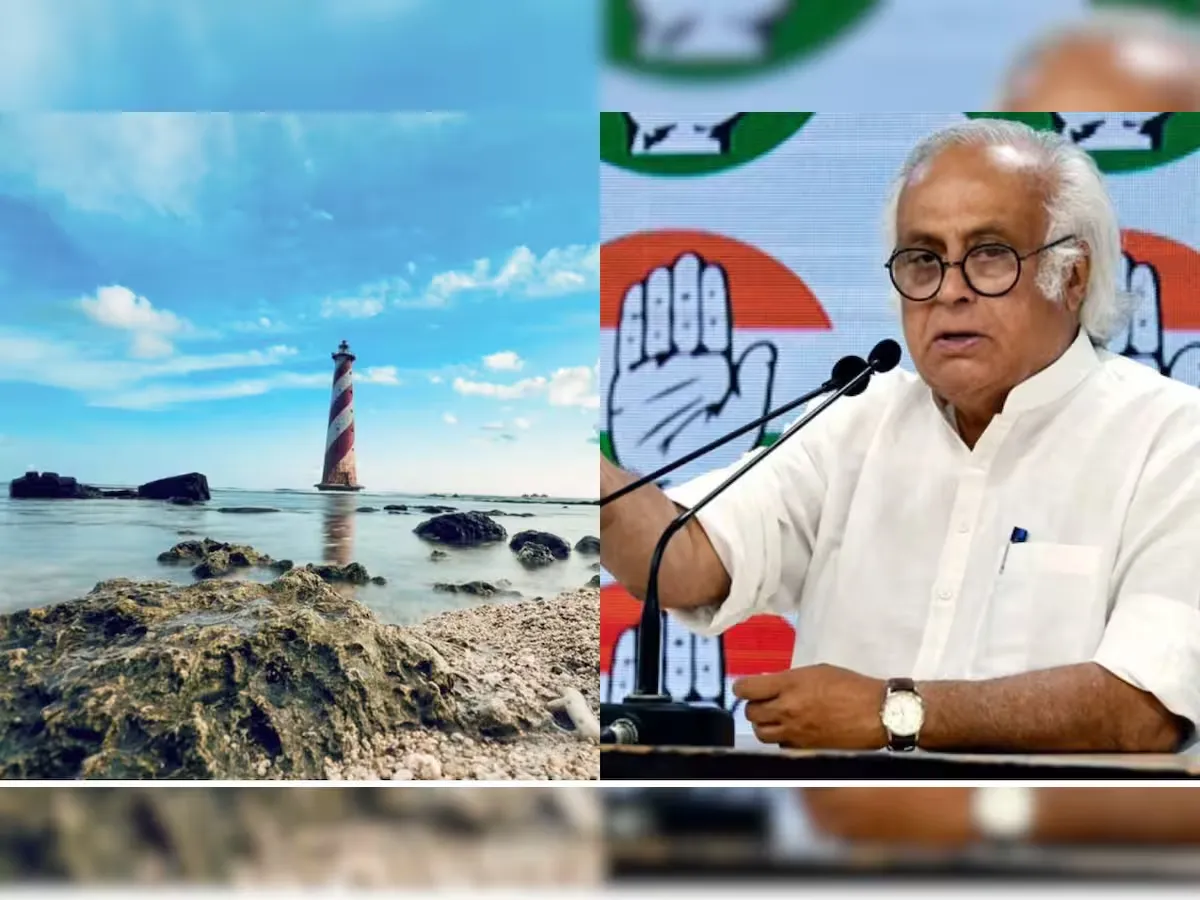
Congress leader Jairam Ramesh has recently accused Prime Minister Narendra Modi of leading an “onward march to environmental disaster” regarding the Great Nicobar project. Ramesh claims that the ecological conscience of the nation is currently at stake. He has reiterated his criticisms of the project, highlighting its potential negative impact on the island’s biodiversity.

Ramesh made his statements public via the social media platform X, where he noted the growing interest in his discussions about the project’s implications over the past few years. He has shared a compilation of his social media posts, parliamentary interventions, and correspondence with various government officials to support his position against the initiative.

According to Ramesh, five petitions challenging the project have been filed by citizens and civil society groups and are currently pending before the Calcutta High Court. These petitions allegedly highlight violations related to environmental regulations, including the Eco Sensitive Zone Notification for Campbell Bay National Park and Galathea National Park, as well as the Forest Rights Act of 2006.

Details on Legal Challenges and Environmental Concerns

Ramesh has raised concerns that the project may violate multiple environmental laws, including the Coastal Zone Regulation Notification of 2019 and provisions of the Environment (Protection) Act of 1986. The Congress party has argued that the transhipment port planned at Galathea Bay poses a significant risk to the ecological balance, claiming it could lead to extensive damage to coral ecosystems.

In his ongoing efforts to seek clarifications, Ramesh has reached out to Union minister Sarbanand Sonowal regarding the development of the transhipment port. He has also communicated with Environment Minister Bhupender Yadav, Tribal Affairs Minister Jual Oram, and Defence Minister Rajnath Singh. His letters contain inquiries about the project’s possible ramifications on the environment and indigenous rights.

Ramesh has described the environmental impact assessment conducted for the project as “dubious,” raising questions about the credibility of the findings. The Congress party has consistently voiced strong opposition to the project, warning that it threatens large-scale ecological destruction.

Political Reactions and Further Developments

The Congress party’s criticisms extend to assertions made by Rahul Gandhi, who has labelled the government’s justifications for the project as deceptive. Gandhi argues that the initiative is less about national security and more about benefitting specific business interests, particularly those aiming to construct hotels and casinos on the environmentally sensitive lands.

In support of his claims, Gandhi released a video detailing his observations from a visit to the Andaman and Nicobar Islands in April. He has urged citizens to sign a petition advocating for environmental preservation over commercial gain, emphasising the need to “choose green over greed.” Ramesh’s statements, combined with pending legal cases and the Congress party’s broader criticisms, have ensured that the Great Nicobar project remains a focal point of political and legal scrutiny.

The unfolding situation continues to attract attention, as various stakeholders monitor the developments concerning the controversial Great Nicobar Island project. The implications for both the environment and local communities highlight the need for ongoing dialogue and careful consideration within governmental proceedings.

Long or Short, get news the way you like. No ads. No redirections. Download Newspin and Stay Alert, The CSR Journal Mobile app, for fast, crisp, clean updates!

App Store –  https://apps.apple.com/in/app/newspin/id6746449540 

Google Play Store – https://play.google.com/store/apps/details?id=com.inventifweb.newspin&pcampaignid=web_share

Latest News

Popular Videos
