


Italy Raises Concerns Over Iran’s Nuclear Aspirations and Regional Stability
The CSR Journal Magazine

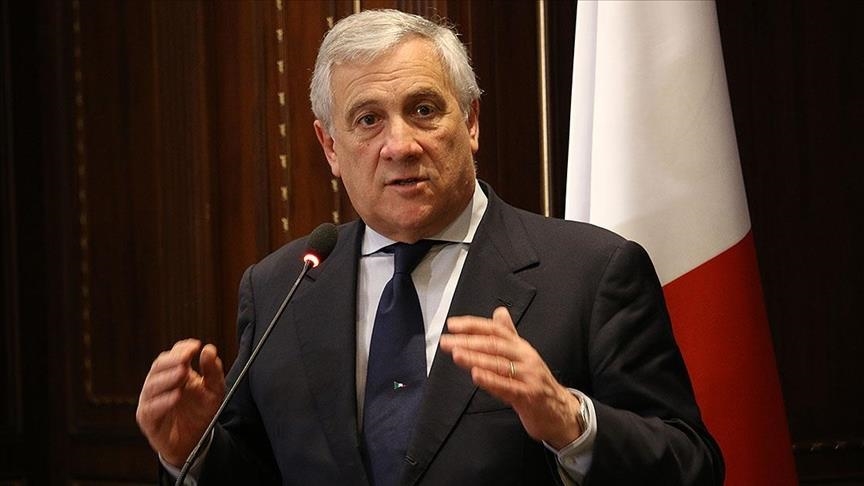
Italian Foreign Minister Antonio Tajani has voiced significant concerns regarding the rising tensions in the Middle East. During a recent telephone discussion with his Iranian counterpart, Abbas Araghchi, Tajani addressed the ongoing conflict in Iran and the broader regional situation. He highlighted the urgent need to prevent any escalation of these tensions, which could have far-reaching implications across the region.

Following their conversation, Tajani took to social media to share Italy’s standpoint on these matters, emphasising the critical necessity for diplomatic measures to bring about peace. He specifically pointed out the importance of reopening the Strait of Hormuz, as continued disruptions could adversely impact both food security and regional stability, particularly for countries in Africa.

In his remarks, Tajani reiterated that Italy views the potential military development of Iran’s nuclear programme as a significant red line. He cautioned that such developments could trigger a hazardous nuclear arms race within the region, further complicating an already volatile landscape.

Iran’s Initiative for Peace in the Region

Amidst these diplomatic discussions, Iranian media reported that Iran has formulated a 14-point plan aimed at establishing a comprehensive framework to end ongoing hostilities in active conflict zones, including Lebanon. The initiative seeks to avoid merely a temporary ceasefire, proposing instead a lasting resolution to be achieved within a 30-day timeframe.

This plan outlines specific prerequisites for ensuring regional stability. These include security assurances to prevent any potential assaults on Iranian territory, the withdrawal of American troops from the Middle East, and the lifting of all maritime blockades currently affecting the region.

In terms of financial reparations, the document calls for the unfreezing of Iranian assets held internationally and demands compensation related to the effects of military actions and economic sanctions. On a larger scale, the Iranian government is also advocating for the total elimination of all global sanctions imposed by the United States and its allies.

Responses to Iran’s Peace Proposal

The proposal has reportedly been conveyed through Pakistan, which acted as a mediator, with the intent of “permanently ending the imposed war.” Kazem Gharibabadi, Iran’s deputy foreign minister, stated that the forthcoming actions now rest with the United States, suggesting that “the ball is in America’s court” to choose between diplomatic resolution and continued hostilities.

Nevertheless, the Iranian peace initiative has met with immediate scepticism in Washington. US President Donald Trump expressed his dissatisfaction with the proposal on Friday, indicating that he is not particularly optimistic about reaching a final agreement. During a press conference at the White House, he stated, “They want to make a deal, but I’m not satisfied with it, so we’ll see what happens,” reflecting the complexities and challenges that lie ahead in the peace negotiations.

The contrasting positions taken by Italy and the United States illustrate the multifaceted nature of diplomatic efforts in the Middle East. With Italy advocating for increased dialogue and restraint, the unfolding situation remains charged, with various stakeholders actively engaged in seeking a resolution to the enduring conflicts in the region.

Long or Short, get news the way you like. No ads. No redirections. Download Newspin and Stay Alert, The CSR Journal Mobile app, for fast, crisp, clean updates!

App Store –  https://apps.apple.com/in/app/newspin/id6746449540 

Google Play Store – https://play.google.com/store/apps/details?id=com.inventifweb.newspin&pcampaignid=web_share

Latest News

Popular Videos
