


Iran Moves to Rebuild Infrastructure Amid Ongoing Hostilities
The CSR Journal Magazine

Iran has asserted its capacity for swift reconstruction amidst the ongoing conflict with the United States and Israel. Following a series of air and missile strikes targeting both military and civilian infrastructure, Iranian authorities claim to have restored vital rail lines and bridges in a remarkably short period. Reports indicate that many of these restoration efforts have been completed within 40 to 96 hours, demonstrating a robust capacity for recovery.

Officials have commenced reconstruction on various bridges and rail routes impacted during approximately 40 days of hostilities. Iranian embassies have been actively promoting these successes through social media, notably highlighting the efficiency of domestic engineering teams that have undertaken the repairs. This narrative serves not only as a statement of resilience but also as a challenge to both the United States and Israel.

Following a fragile ceasefire that began on April 8, 2026, Iranian officials reported the resumption of rail services on several critical routes. In a notable statement, Alireza Soleimani, the director general of railways, mentioned that trains travelling from Tabriz to both Tehran and Mashhad had resumed service, having experienced only a brief interruption.

Reports of Infrastructure Restoration

Recent updates from Iranian officials suggest that recovery efforts have been extensive. A significant railway bridge near Qom has reopened after reconstruction that lasted less than 40 hours, as reported by Khosrow Samari, a deputy governor in the region. This rapid response aligns with international perceptions of Iran’s capability to maintain its transportation networks even amidst conflict.

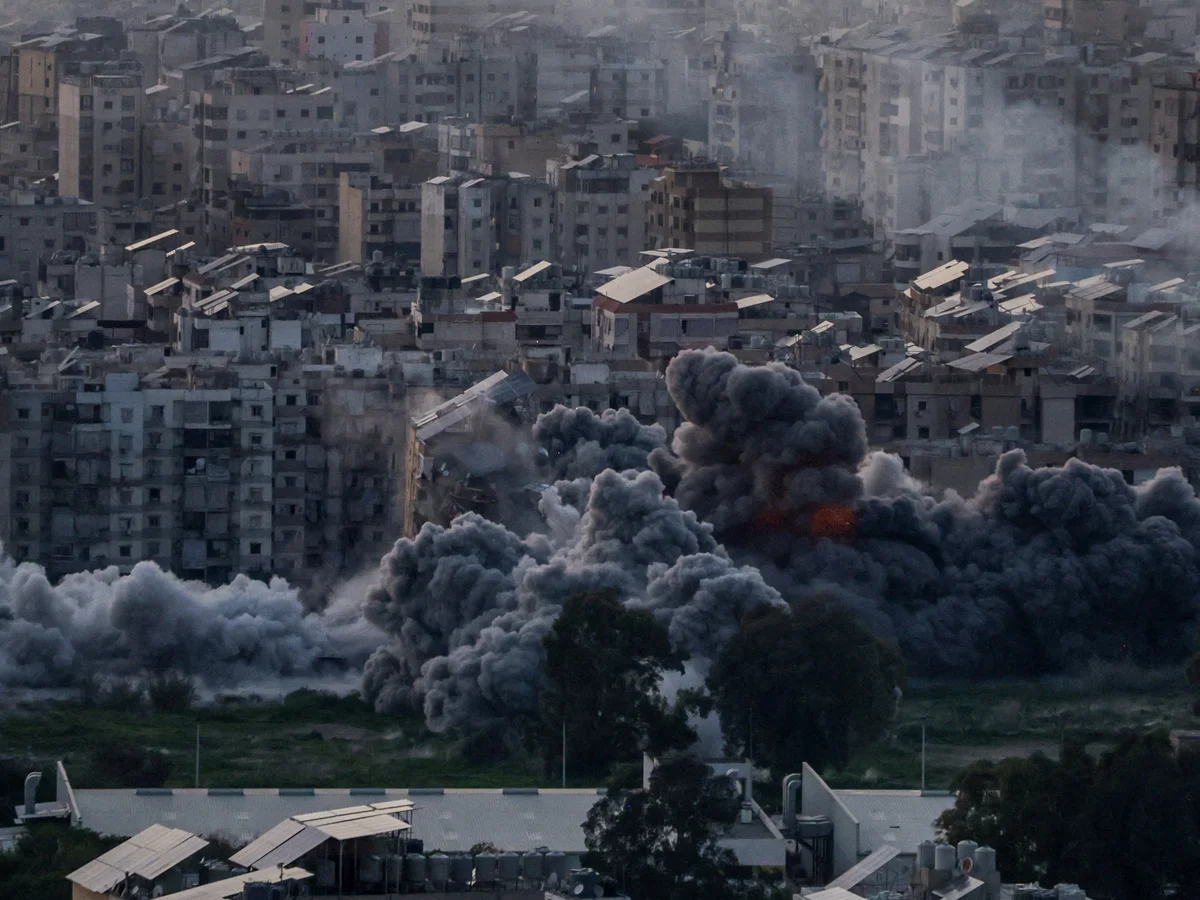
Reports from the French wire agency AFP indicate that debris from heavily bombarded areas in Tehran has been swiftly cleared, with some structures covered by national flags to emphasise recovery efforts. Government spokesperson Fatemeh Mohajerani noted that the reconstruction of approximately 125,000 damaged buildings comprising residential properties, schools, and hospitals could take between three months and two years to complete.

These restoration tasks not only underscore Iran’s commitment to reinstating essential services but also serve to bolster national morale during an ongoing military confrontation. The narrative promoted by Iranian diplomatic sources also aims to enhance global perceptions of Iran’s self-sufficiency in infrastructure recovery.

International Reactions and Implications

The rapid restoration of Iran’s infrastructure, particularly its railway network, has not gone unnoticed. Both the United States and Israel had previously targeted these vital links in anticipation of crippling Iran’s operational capabilities. However, reports suggest that despite significant damage, Iran has managed to restore many rail operations within a short timeframe post-attack.

The frequency of strikes aimed at critical transport routes has intensified, particularly after US President Donald Trump indicated intentions to further target infrastructure in Iran. These developments have resulted in heightened tensions, with the potential for renewed hostilities looming over both nations.

As diplomatic efforts to establish a lasting ceasefire remain uncertain, it appears that Iran’s ability to reclaim its infrastructure will be central to its strategic operations moving forward. If hostilities resume, the nation’s claims of rapid recovery could significantly influence the dynamics of the conflict, perhaps leading to further engagements aimed specifically at disrupting essential logistical networks.

Long or Short, get news the way you like. No ads. No redirections. Download Newspin and Stay Alert, The CSR Journal Mobile app, for fast, crisp, clean updates!

App Store –  https://apps.apple.com/in/app/newspin/id6746449540 

Google Play Store – https://play.google.com/store/apps/details?id=com.inventifweb.newspin&pcampaignid=web_share

Latest News

Popular Videos
