


Iran Implements New Transit Regulations in the Strait of Hormuz
The CSR Journal Magazine

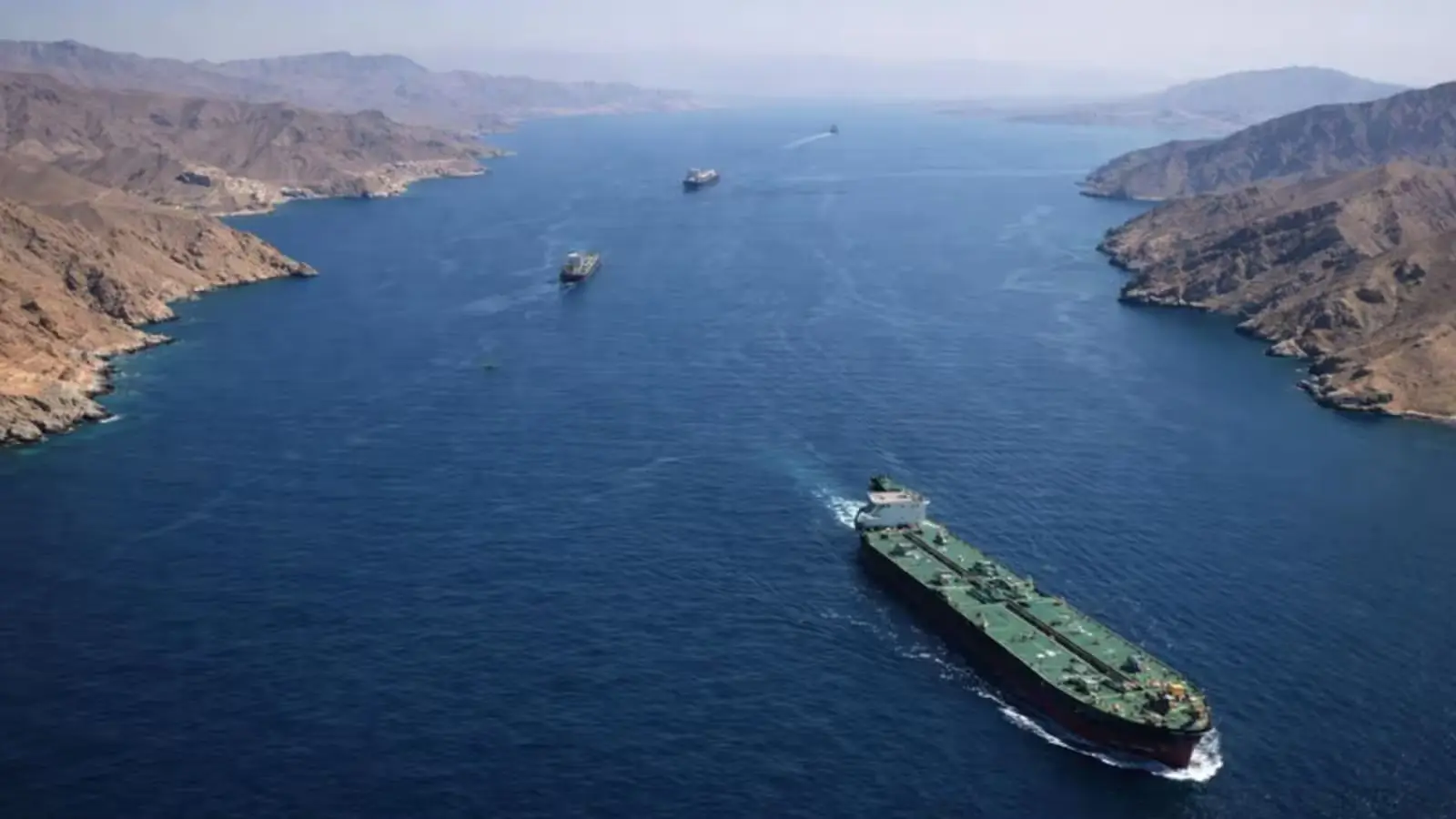
Iran has introduced stringent new regulations surrounding maritime navigation through the strategically significant Strait of Hormuz, following escalating tensions with the United States. According to reports, the Iranian government has formed the Persian Gulf Strait Authority (PGSA) to regulate vessel movement in this crucial waterway. Ships intending to transit must now obtain prior approval and submit a “Vessel Information Declaration” form, detailing vessel identity, ownership, crew nationalities, and cargo. This new requirement aims to formalise a process that had been enforced informally prior to this announcement.

In the declaration, the Iranian authorities have emphasised the necessity for accurate and complete information, stating that any discrepancies or incomplete submissions will be the sole responsibility of the applicant. This new approach reflects Iran’s intention to exert greater control over the strait, which is vital for global energy supplies, contributing to approximately twenty per cent of the world’s oil and gas traffic.

The transition to this formalised system follows an uptick in military activities and threats in the region. Previously, vessels from other nations could navigate through the strait without restrictions. However, since the conflict began on February 28, Iran has issued warnings that ships lacking its clearance may face hostile actions from Iranian forces.

Effects on Shipping and International Relations

The impact of these new regulations has already been felt across the maritime shipping industry, with numerous vessels, including those from India, reportedly encountering hostility. Consequently, shipping operators have begun rerouting their vessels to avoid the Strait of Hormuz, leading to a significant decline in traffic. This reduction has further contributed to rising fuel prices globally, as the strait serves as a pivotal channel for fuel transportation.

Iran has publicly stated that vessels associated with the US or Israel would not be permitted passage through the waterway, while other ships must secure permission. Diplomatic negotiations have already been undertaken by nations such as India, Pakistan, and China with Tehran to guarantee safe passage for their vessels. Additionally, the Islamic Revolutionary Guard Corps (IRGC) has been alleged to employ emergency radio signals to assert its control over maritime activities in the strait.

The Iranian blockade followed retaliatory actions resulting from US-Israeli military engagements. In response to Tehran’s exertion of control over the strait, former President Donald Trump announced a counter-blockade. Tensions have continued to escalate, with the US alleging unlawful interception of vessels by Iranian military forces, which Iran has consistently denied.

Ongoing Diplomatic Efforts for Resolution

Amid these developments, both the US and Iran appear to be exploring avenues for a temporary peace agreement. Current discussions aim to halt ongoing conflict without resolving each point of contention, particularly concerning Iran’s nuclear programme. Reports indicate that diplomatic teams from both sides are preparing for a 30-day negotiation period focused on establishing a comprehensive deal.

Pakistani officials engaged in mediation efforts have expressed cautious optimism regarding the potential for a resolution. Nonetheless, the prospects for a long-term agreement remain uncertain, as mutual grievances and geopolitical complexities continue to dominate the dialogue. The outcomes of these discussions will significantly influence not only regional security but also international oil markets and broader geopolitical stability.

As the situation evolves, the balance of power in the Strait of Hormuz will be closely monitored by global stakeholders, given its critical importance to international trade and energy supply chains. The developments in these negotiations will likely shape the future relationship between the involved nations and impact global energy dynamics in the months to come.

Long or Short, get news the way you like. No ads. No redirections. Download Newspin and Stay Alert, The CSR Journal Mobile app, for fast, crisp, clean updates!

App Store –  https://apps.apple.com/in/app/newspin/id6746449540 

Google Play Store – https://play.google.com/store/apps/details?id=com.inventifweb.newspin&pcampaignid=web_share

Latest News

Popular Videos
