


Indian Railways Achieves 88% Reduction in Train Accidents Over 12 Years
The CSR Journal Magazine

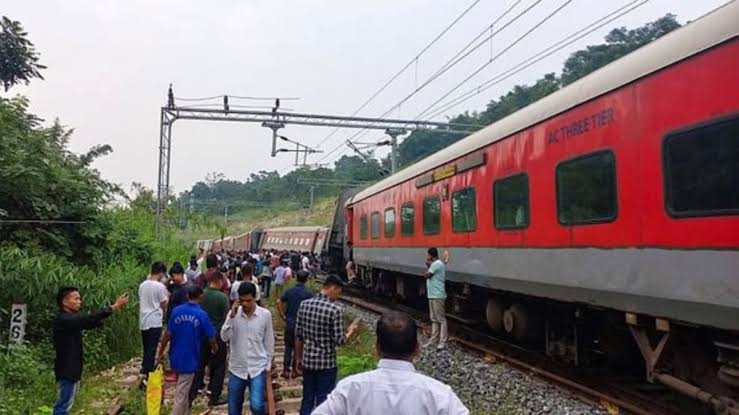
Indian Railways has reported an impressive 88 per cent decrease in consequential train accidents over the past twelve years. In the ongoing financial year of 2026-27, only two such incidents have been documented. This notable improvement is attributed to the Ministry of Railways’ continuous investments in technology, infrastructure, and maintenance to enhance passenger safety during rail travel.

Railway Minister Ashwini Vaishnaw highlighted these findings in a session of the Lok Sabha, emphasising that the enhancement of safety measures remains the Railways’ top priority. The statistics aim to reassure the public regarding the commitment to making rail travel safer and more reliable.

The concept of consequential train accidents encompasses serious operational incidents, including collisions, derailments, fires, and accidents occurring at level crossings. These incidents significantly impact train operations and overall safety. The Railways report a progressive decline in such occurrences over the past decade, marking an important trend in improving rail safety.

Key Safety Measures Implemented

The Ministry of Railways outlined a range of critical safety measures that have contributed to this reduction in accidents. Notably, the expansion of electronic interlocking systems at 6,671 railway stations has been vital in minimising human error. Additionally, the complete eradication of unmanned level crossings along the Broad Gauge network has further bolstered safety.

Another significant change is the heightened utilisation of LHB (Linke Hofmann Busch) coaches, which are specifically designed to enhance safety during potential accidents. The Railways have also improved track maintenance and inspection practices to ensure that infrastructure remains in optimal condition. The introduction of the indigenous Kavach 4.0 automatic train protection system is another advancement in railway safety protocols.

As part of the ongoing advancements, the Kavach 4.0 system has already been activated across 2,490 route kilometres. This deployment covers major corridors, such as the busy Delhi-Mumbai and Delhi-Howrah routes. Additionally, implementation work is ongoing over 21,937 route kilometres, which indicates a significant commitment to modernising railway safety systems.

Future Investments in Railway Safety

The Ministry has indicated that investments directed towards track renewal, bridge improvements, signalling systems, and rolling stock have notably increased throughout the past decade. This emphasis on safety features supports a broader strategic approach to reducing accidents and enhancing the overall safety of rail travel.

Moreover, higher production rates of LHB coaches and a marked decrease in weld failures are part of this comprehensive strategy. The emphasis on long-term investments in technology and infrastructure aims to sustain the recent achievements in safety. As the Indian Railways progresses, it remains focused on extending the reach of safety systems like Kavach while further modernising the railway network.

In summary, the sustained efforts of Indian Railways in prioritising safety through advanced technology and substantial investments have resulted in a remarkable reduction in train accidents, emphasising the commitment to delivering a safer experience for passengers across the country.

Long or Short, get news the way you like. No ads. No redirections. Download Newspin and Stay Alert, The CSR Journal Mobile app, for fast, crisp, clean updates!

App Store –  https://apps.apple.com/in/app/newspin/id6746449540 

Google Play Store – https://play.google.com/store/apps/details?id=com.inventifweb.newspin&pcampaignid=web_share

Latest News

Popular Videos
