


Indian Army Introduces New Dress Code, Phasing Out Colonial-Era Practices
The CSR Journal Magazine

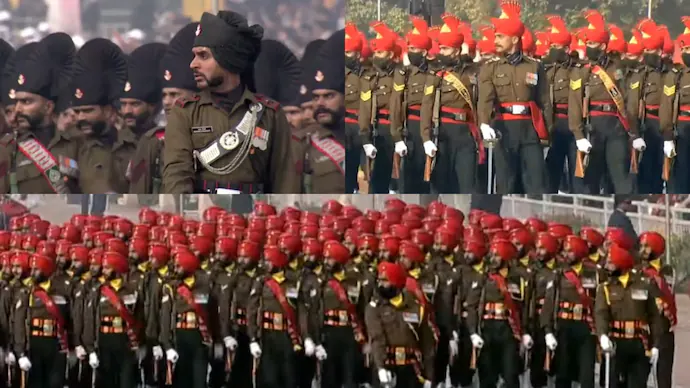
The Indian Army has formally announced the implementation of a new dress code that marks a significant departure from colonial-era practices, aiming to align military traditions with contemporary Indian values and operational needs. This initiative represents the most extensive overhaul of military dress and appearance regulations in close to a decade. According to Army officials, the alterations are part of a larger strategy to fortify the indigenous identity of the force while still honouring its regimental heritage and professional standards.

Key Changes in Uniform and Attire

One of the most notable alterations involves the incorporation of the traditional Bandi jacket within the formal dress attire for officers. This Indian-style, closed-neck jacket will be permitted during specified formal occasions, signifying the Army’s commitment to integrating indigenous cultural elements into its customs. Additionally, a new winter uniform, referred to as Dress 3B, has been introduced for personnel across all ranks, consisting of an Angola shirt, a battle jacket, and a beret, ensuring consistency in winter attire throughout various formations.

In a further move to enhance the winter ceremonial ensemble, the Army has approved a uniform labelled Dress 1C for officers, previously reserved for Junior Commissioned Officers and other ranks. This change reflects an effort to unify the standards of formal dress across different levels of military personnel.

The revisions extend beyond just clothing; they also touch long-held ceremonial customs. The Army has diminished the prominence of certain colonial accoutrements, including the use of pouch belts in specified formal mess dresses. The carrying of swords, often seen during ceremonial events, may no longer be mandatory under many circumstances, indicating a practical approach while preserving military decorum.

Modernising Grooming Standards

Beyond attire, the new regulations encompass a detailed framework for grooming and personal appearance. Visible tattoos and body piercings remain prohibited, with personnel not allowed to wear bracelets while in uniform except for limited religious reasons. The guidelines have established a maximum moustache length of 12 centimetres and disallowed the use of perfumes and deodorants while in uniform, although after-shave lotions are permitted.

The updated dress code also offers increased flexibility for women officers regarding formal attire. Permissible options now include sober-coloured sarees and kurta-salwar combinations paired with ankle-length straight pants and dupattas. However, sleeveless kurtas, palazzo trousers, and cigarette pants are still prohibited to maintain a consistent appearance among personnel.

Stricter cosmetic guidelines have also been introduced for women. While in uniform, lipstick, coloured nail polish, bindis, and nose pins are not allowed. Married personnel can wear sindoor, but it must remain concealed beneath approved headgear.

Shifting Towards Indigenous Identity

The new dress code also includes changes to combat uniforms, incorporating a T-shirt into the Category 7A combat uniform for operational duties. Additionally, Category 7B has introduced a dedicated winter combat jacket intended for colder environments, aiming to support operational effectiveness in various climates.

Military authorities regard these reforms as a fundamental component of a broader transformation within the armed forces focused on indigenisation and the elimination of colonial legacies. The revised dress code strives to harmonise operational functionality, discipline, and military tradition while promoting a distinctly Indian identity for one of the world’s largest armies.

Implementation of these new regulations will occur gradually across Army establishments, serving as the definitive guide for military dress, turnout, and appearance standards in the foreseeable future.

Long or Short, get news the way you like. No ads. No redirections. Download Newspin and Stay Alert, The CSR Journal Mobile app, for fast, crisp, clean updates!

App Store –  https://apps.apple.com/in/app/newspin/id6746449540 

Google Play Store – https://play.google.com/store/apps/details?id=com.inventifweb.newspin&pcampaignid=web_share

Latest News

Popular Videos
