


India, Pakistan Navies Operate Amid Rising Tensions Near Strait of Hormuz
The CSR Journal Magazine

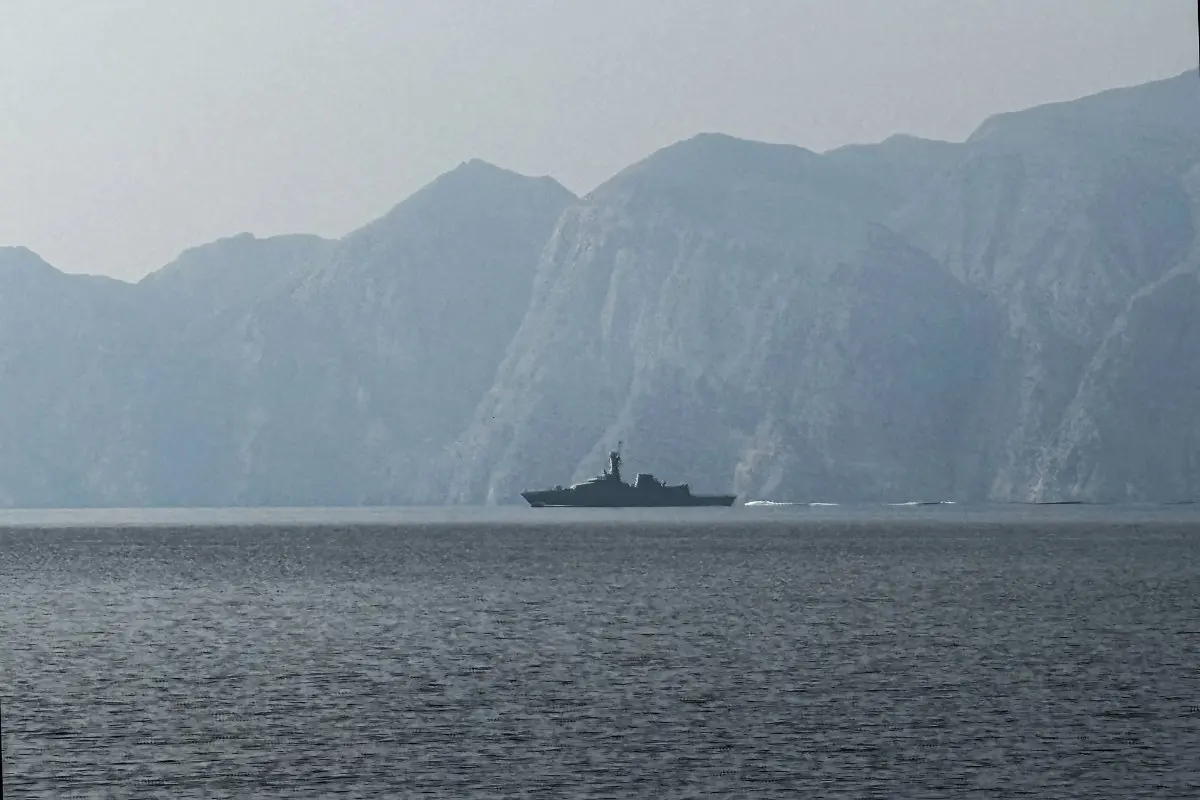
Indian and Pakistani naval operations have recently come into close proximity near the Strait of Hormuz, with vessels from both nations reported to be operating merely 18 nautical miles apart. This development is noteworthy amidst increasing tensions in the waters of West Asia. The observation was made by Damien Symon, an open-source intelligence analyst affiliated with The Intel Lab, who highlighted the positions of the warships off the coast of Oman.

Symon remarked that this unusual occurrence likely reflects the efforts of both countries to safeguard their shipping interests amid the ongoing conflict in West Asia. He provided a map illustrating the vessels’ positions, signifying the importance of operational security in this key maritime area.

In conjunction with these naval movements, it was reported that the Pakistan-flagged crude oil tanker, Sargodha, was making its way to Karachi while being escorted by the Pakistan Navy. This nautical development underscores the heightened maritime security measures currently in place in the region.

Indian Navy’s Operation Urja Suraksha

The Indian Navy is actively engaged in a mission known as Operation Urja Suraksha, aimed at ensuring the safe passage of energy shipments through volatile maritime corridors, including the Strait of Hormuz. This initiative has involved the identification and escorting of various ships transporting liquefied petroleum gas, liquefied natural gas, and crude oil destined for India.

An official from the Indian Navy shared that the operation focuses not only on escorting vessels but also on assisting them in navigation to guarantee smooth passage through the Persian Gulf and the Strait of Hormuz until they reach the Arabian Sea. Moreover, naval destroyers and frigates are extending their protective measures beyond the immediate vicinity of the Strait of Hormuz.

Recent activities under Operation Urja Suraksha have included the successful escort of multiple energy carriers through the region. Notable among these are the LPG carriers Pine Gas and Jag Vasant, which transported nearly 92,000 tonnes of cooking gas and reached Indian ports between March 26 and March 27 after safe transit.

Increasing Naval Activities from Pakistan

In response to the evolving maritime situation, Pakistan has also ramped up its escort operations for its merchant fleet. The crude oil tanker Sargodha was reported to be under naval protection while en route to Karachi after navigating the Strait of Hormuz. This enhanced naval presence appears to be a reaction to security dynamics in the region.

Earlier in the week, two Pakistani merchant vessels were granted passage through the Strait of Hormuz to Kuwait and the United Arab Emirates after initially being denied entry by Iranian authorities. Such movements indicate the strategic importance of these maritime routes, through which a substantial portion of global oil transportation occurs.

As the situation in West Asia continues to evolve, the increased naval deployments by both India and Pakistan reflect growing concerns over potential disruptions to essential trade flows. The strategic positioning of naval forces in critical maritime corridors like the Strait of Hormuz highlights the geopolitical stakes that both nations are navigating in this tense environment.

Long or Short, get news the way you like. No ads. No redirections. Download Newspin and Stay Alert, The CSR Journal Mobile app, for fast, crisp, clean updates!

App Store –  https://apps.apple.com/in/app/newspin/id6746449540 

Google Play Store – https://play.google.com/store/apps/details?id=com.inventifweb.newspin&pcampaignid=web_share

Latest News

Popular Videos
