


India Dismisses Nepal’s Kailash Yatra Objection Over Lipulekh Pass
The CSR Journal Magazine

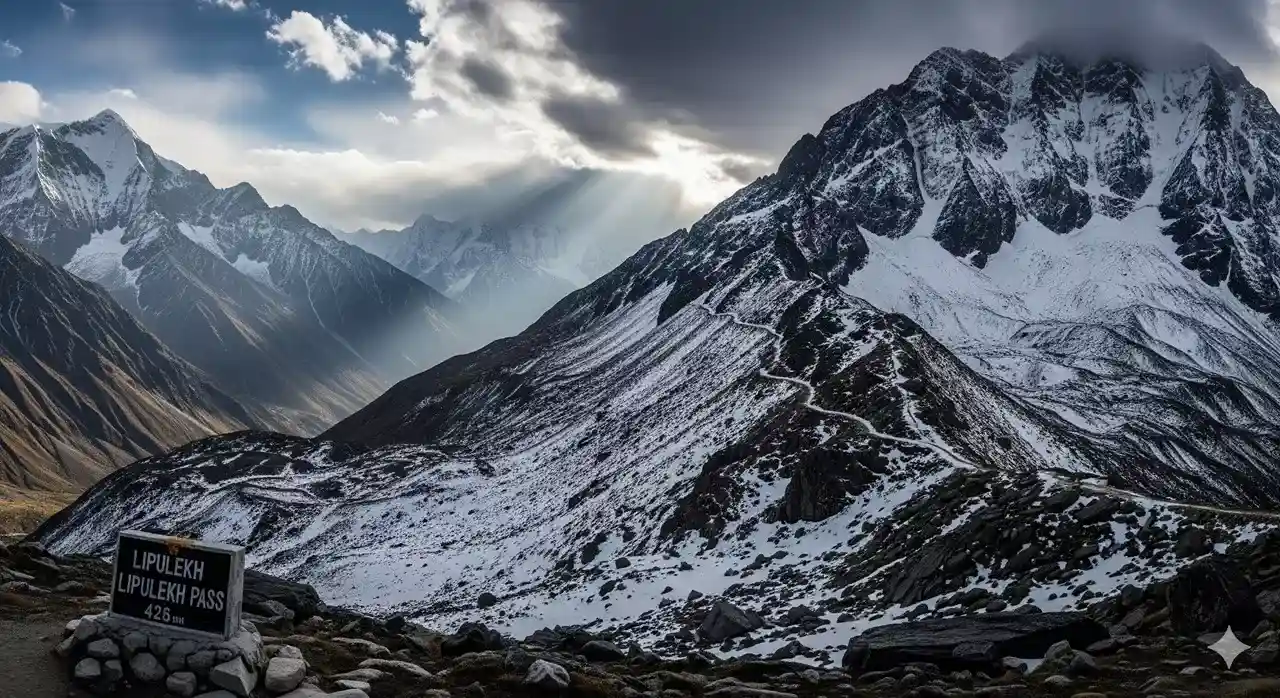
The ongoing debate surrounding the Kailash Yatra relates to the pilgrimage to Mount Kailash in Tibet, a site of significant religious importance for Hindus, Buddhists, Jains, and Bon followers. The region is considered sacred, attracting thousands of devotees each year. It is situated in close proximity to the Lipulekh Pass, which serves as a key transit route for pilgrims heading to this revered destination.

This year, the Kailash Yatra is expected to see increased participation, with many pilgrims relying on the Lipulekh Pass for access. The route, which is situated in the northern part of Uttarakhand, has been a focal point of contention between India and Nepal, primarily concerning issues of border demarcation and sovereignty.

Nepal’s Concerns Over Border Issues

Nepal recently expressed concerns regarding the use of the Lipulekh Pass, claiming it lies within its territorial boundaries. The Nepalese government has voiced assertions that the area is part of its land, leading to diplomatic exchanges between the two nations. Nepal has historically viewed the management of pilgrimage routes as a matter of national interest, thereby heightening sensitivities surrounding religious tourism in disputed areas.

In response to these concerns, the Indian government has reiterated its position that the Lipulekh Pass falls firmly within Indian sovereignty. Officials have emphasised the importance of maintaining open access for pilgrims while also asserting their country’s territorial claims. This stance reflects India’s broader efforts to facilitate the Kailash Yatra, ensuring that devotees can travel without hindrance.

Both governments, aware of the cultural significance of the pilgrimage, have faced pressure to address these border disputes amicably. The potential for increased tensions in the region necessitates careful dialogue, as both parties aim to ensure the preservation of religious practices while managing diplomatic relations.

Implications for Future Pilgrimages

The Indian government’s dismissal of Nepal’s objections implies a commitment to maintaining the Lipulekh Pass as a primary route for the Kailash Yatra. This decision may have several implications for future pilgrimages, including the planned arrangements for security and logistics along the route. Authorities are likely to increase measures to facilitate safe passage for the influx of pilgrims expected in the upcoming season.

Moreover, the issue could influence diplomatic relations between India and Nepal moving forward. While both countries acknowledge the historical ties shared between them, territorial disputes may create challenges in fostering closer cooperation in areas of mutual interest, such as tourism and cultural exchange.

As the pilgrimage season approaches, stakeholders, including local communities and tour operators, remain hopeful that an amicable resolution can be reached, ensuring that pilgrims can perform their religious duties without barriers. Continued dialogue between Indian and Nepalese authorities will be important in addressing grievances and establishing a stable framework for future pilgrimages.

Ultimately, the management of border disputes related to the Kailash Yatra not only impacts the immediate pilgrimage experience but also reflects broader geopolitical dynamics in the region. As both nations navigate this complex issue, the focus remains on upholding cultural heritage while securing national interests.

Long or Short, get news the way you like. No ads. No redirections. Download Newspin and Stay Alert, The CSR Journal Mobile app, for fast, crisp, clean updates!

App Store –  https://apps.apple.com/in/app/newspin/id6746449540 

Google Play Store – https://play.google.com/store/apps/details?id=com.inventifweb.newspin&pcampaignid=web_share

Latest News

Popular Videos
