


Trump Rejects Iran’s Proposal to End Conflict
The CSR Journal Magazine

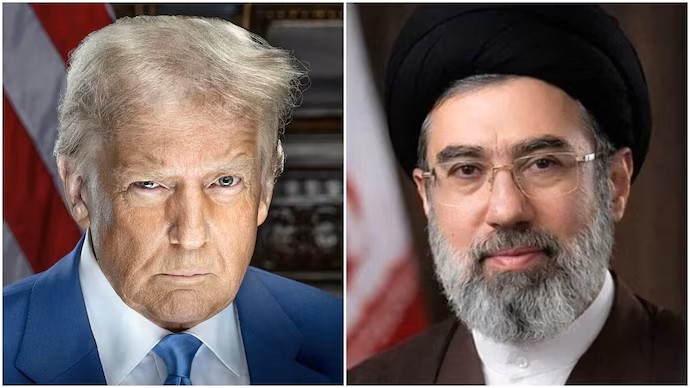
US President Donald Trump has categorically rejected Iran’s recent 14-point peace proposal, labelling it as “not acceptable.” This response comes amid the ongoing complexities in the Middle East as Trump communicated his views during a conversation with Kan News, an Israeli news outlet. Despite a thorough examination of the plan, he asserted that it did not align with his expectations, stating, “I’ve studied it, I’ve studied everything — it’s not acceptable.”

In his dialogue with Nathan Guttman, Trump expressed his dissatisfaction with Iran’s offer, emphasizing, “The Iranians want to make a deal, but I’m not satisfied with what they’ve offered.” He mentioned that there are elements within the proposal that he cannot support, underscoring a firm stance against the terms presented by Tehran.

Concerns Over Iran’s Nuclear Programme

Trump’s recent comments underscore a long-standing trepidation regarding Iran’s nuclear ambitions and military activities in the region. In a social media post prior to this conversation, he indicated that Iran has “not yet paid a big enough price for what they have done to Humanity, and the World, over the last 47 years.” This viewpoint reflects a broader US strategy aimed at establishing strict controls on Iran’s uranium stockpiles, highlighting a fundamental disagreement over the timeline for nuclear negotiations.

Iran has acknowledged receiving a response from the US through Pakistan, which is currently under review. An Iranian foreign ministry spokesperson confirmed that at this juncture, there are no ongoing nuclear negotiations, though he did not disclose details about the US’s reply. This adds another layer of complexity to an already tense dialogue.

Reports reveal that Iran’s peace proposal envisions a three-phase roadmap aimed at terminating the conflict within 30 days. The initial phase seeks to transition the existing ceasefire into an absolute cessation of hostilities across all fronts, including commitments from the US, Israel, and Iran-affiliated groups to cease attacks. It also proposes reopening the strategically significant Strait of Hormuz.

Emerging Challenges in Negotiations

The second phase of Iran’s proposal involves a 15-year freeze on uranium enrichment, wherein Iran would not retain enriched uranium but transfer existing stockpiles abroad or dilute them. Nevertheless, Tehran has firmly stated it will not dismantle its nuclear infrastructure, which remains a crucial point of contention in discussions.

As negotiations progress, differences in sequencing are evident, with Iran advocating for military de-escalation and economic relief before addressing contentious nuclear issues. Conversely, Washington insists that nuclear commitments must be prioritised in any agreement. This divergence highlights the complexity of reaching a consensus.

Amid these negotiations, Trump has not discounted the possibility of military action should diplomatic efforts falter. Commenting on potential US strikes, he remarked, “If they misbehave, if they do something bad it’s a possibility that could happen.” This statement illustrates the precarious nature of the ongoing dialogue and the potential for escalation.

Despite a pause in significant military operations and initial negotiation attempts, efforts to progress these discussions have faced substantial obstacles. Continued regional tensions involving Iranian-backed factions in Lebanon further complicate the pursuit of a sustainable resolution. Currently, the direction of US policy suggests that an agreement may not be forthcoming in the near future.

Long or Short, get news the way you like. No ads. No redirections. Download Newspin and Stay Alert, The CSR Journal Mobile app, for fast, crisp, clean updates!

App Store –  https://apps.apple.com/in/app/newspin/id6746449540 

Google Play Store – https://play.google.com/store/apps/details?id=com.inventifweb.newspin&pcampaignid=web_share

Latest News

Popular Videos
