


Oscars 2027 Tighten AI Rules, Prioritise Human Creativity
The CSR Journal Magazine

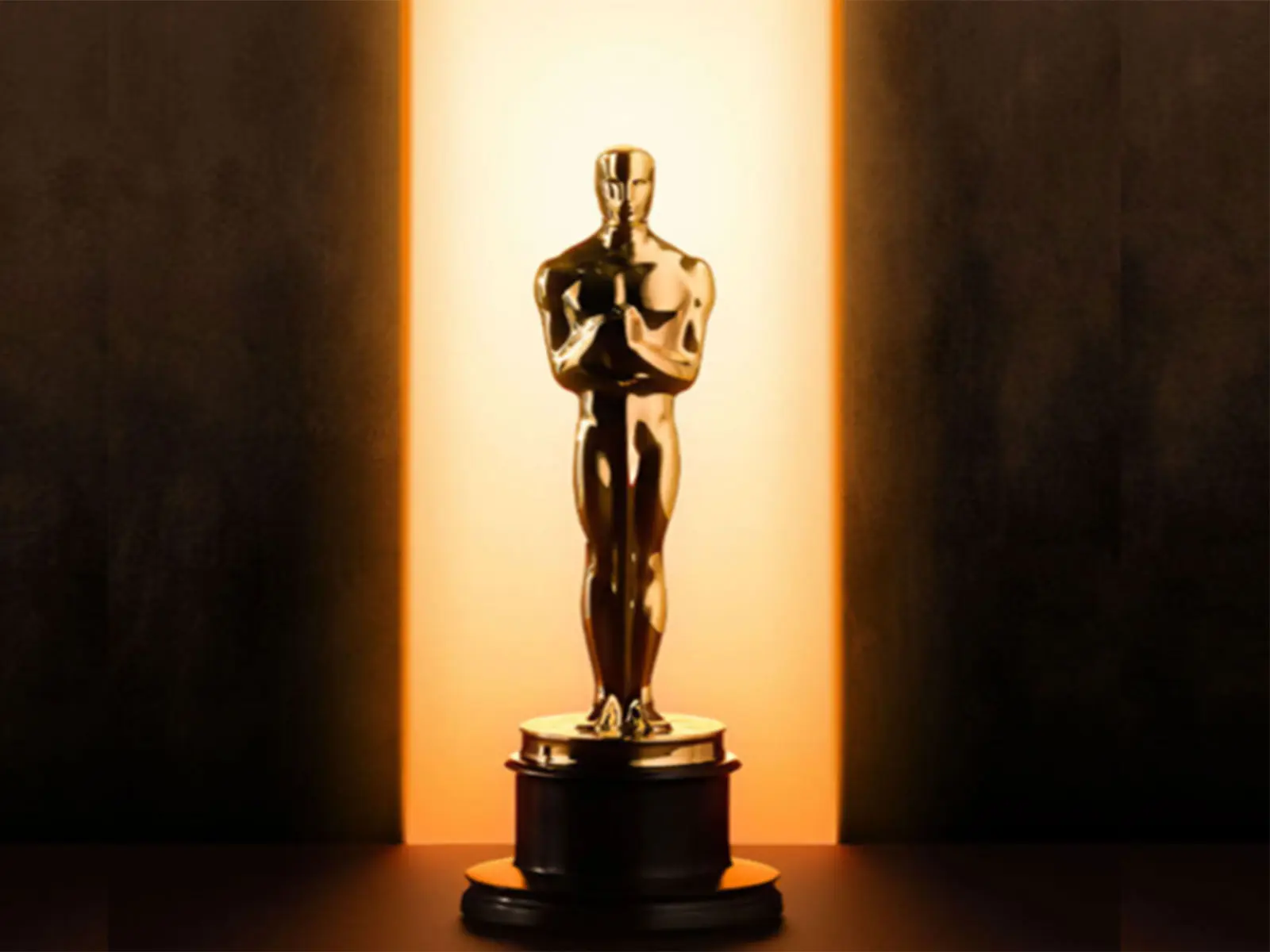
The Academy of Motion Picture Arts and Sciences has announced significant updates regarding artificial intelligence (AI) for the 99th Academy Awards in 2027. The new regulations prioritise human creativity over automated tools, prompting reactions from various influential figures within the Indian film industry. Noteworthy personalities such as Gulzar, Javed Akhtar, Zoya Akhtar, and Juhi Chaturvedi shared their thoughts during an interview with Hindustan Times.

The updated rules stipulate that screenplays must be authored exclusively by humans, and performances must be delivered by individuals who have provided consent. This decision has elicited a range of responses, both supportive and cautious, from those involved in filmmaking and writing in India.

Gulzar, an Oscar-winning lyricist and filmmaker, expressed his approval of the Academy’s focus on human emotion. He remarked, “Human emotion is universal, and that is what great cinema represents.” He also highlighted that several excellent Indian films have previously been overlooked for Academy Awards and suggested titles like Mere Pyare Prime Minister and Chhapaak as deserving representations for the Oscars.

Diverse Perspectives on AI Impact

Javed Akhtar, a renowned screenwriter and lyricist, presented a critical viewpoint regarding the use of AI in creative processes. He stated, “In the Olympics, humans don’t race against racing cars,” reinforcing the importance of human effort in artistic expression. Akhtar’s comments underline the perceived need to uphold human ingenuity in filmmaking and writing.

Filmmaker Zoya Akhtar also weighed in by advocating for similar protective measures to be adopted within India. She remarked, “Writing, songwriting and music composition need to be protected,” reinforcing the sentiment that creativity should be safeguarded against the incursion of AI tools in an artistic domain.

Juhi Chaturvedi, known for her work in films like Piku and Madras Cafe, spoke to the intrinsic personal nature of writing. She expressed that writing encapsulates life experiences and emotions, stating, “You pour what you have cried and laughed about into your work.” Chaturvedi asserted that AI lacks the lived experiences required to create meaningful narratives, making the Academy’s decision substantial.

Counterarguments on the Need for Regulation

Despite the strong responses from some industry veterans, others are reluctant to endorse the immediate necessity for regulations concerning AI. Screenwriter Niren Bhatt, who has worked on projects like Munjya and Stree 2, voiced his opinion that AI currently serves as a limited tool. He claimed, “The ideas it generates are often derivative and lack depth,” suggesting that seasoned writers can easily differentiate between human-generated and AI-produced content.

He further reasoned that regulatory measures may not be essential at this point since AI, as it stands now, provides only basic assistance. According to Bhatt, the conversation surrounding AI’s role in creative writing might evolve if future developments lead to more sophisticated forms of technology.

The ongoing discussion about AI and human creativity signifies a broader divide within the film industry. With the 99th Academy Awards scheduled for March 14, 2027, and nominations being announced on January 21, 2027, the implications of these new guidelines seem set to stimulate further debate among industry professionals.

Long or Short, get news the way you like. No ads. No redirections. Download Newspin and Stay Alert, The CSR Journal Mobile app, for fast, crisp, clean updates!

App Store –  https://apps.apple.com/in/app/newspin/id6746449540 

Google Play Store – https://play.google.com/store/apps/details?id=com.inventifweb.newspin&pcampaignid=web_share

Latest News

Popular Videos
