


Government Restricts Industrial Fuel Purchases From Retail Outlets to Safeguard Consumer Supply
The CSR Journal Magazine

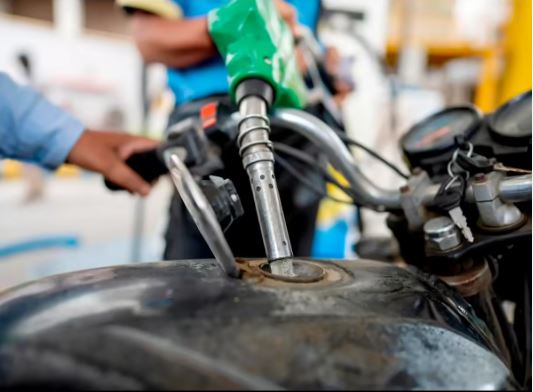
The Indian government has enacted a new regulation restricting industrial, commercial, and institutional entities from purchasing petrol and diesel directly from retail outlets. The order, issued by the Ministry of Petroleum and Natural Gas, directs these users to obtain fuel from authorised bulk sales points. This decision follows a surge in fuel demand from these sectors, which the government aims to curb to ensure that everyday consumers have access to retail fuel supplies.

The regulation, known as the Motor Spirit and High Speed Diesel (Temporary Regulation of Supply through Retail Outlets) Order, 2026, acknowledges the “abnormal increase” in retail fuel sales attributed to the price advantages that large consumers discovered during the recent global energy market fluctuations. This order seeks to maintain fuel availability for ordinary vehicle owners while addressing the issue of large-scale diversion of fuel intended for personal use.

As an example of the discrepancy, diesel prices in Delhi’s retail market were approximately Rs 95 per litre, while the rate at bulk supply points was around Rs 134 per litre. This significant pricing difference became a compelling factor for industries and commercial enterprises to purchase from retail stations, prompting the government’s intervention.

Impact of the West Asia Conflict on Fuel Prices

The ongoing conflict in West Asia, which escalated earlier in 2026, has had a considerable impact on global energy markets, particularly concerning oil supply routes. India, heavily reliant on imported crude oil, faces increased vulnerability due to these disruptions. The volatility in the international oil market has resulted in soaring bulk fuel prices, creating a notable gap between bulk and retail fuel rates.

For instance, the retail price of diesel in Delhi stood at Rs 95 per litre, compared to the bulk rate of Rs 134 per litre. This disparity has incentivised large consumers, such as factories and construction firms, to procure fuel from retail outlets in a bid to reduce operational costs, thereby exacerbating the situation.

The government’s new order aims to mitigate the effects of this volatility and ensure that retail fuel supplies are preserved for the general public, rather than being appropriated for industrial usage. By redirecting large consumers to sanctioned bulk channels, the government seeks to maintain a steady supply for individual vehicle owners during these challenging times.

Who Will Be Affected by the New Regulations?

However, the regulations do not impose any restrictions on regular consumers. Individuals can continue to purchase petrol and diesel for personal vehicles, such as cars and motorcycles, without any changes to their purchasing habits. A stipulation in the new order does limit diesel sales in approved containers to 200 litres per customer or vehicle per day, prohibiting resale of fuel acquired through these containers.

The government’s rationale behind this measure is to preempt local fuel shortages that could arise from large users purchasing fuel at retail prices, which may disrupt normal supply chains. The new restrictions, initially set to remain effective for 90 days, could be extended or modified as circumstances dictate, with the possibility for specific exemptions if deemed necessary.

Long or Short, get news the way you like. No ads. No redirections. Download Newspin and Stay Alert, The CSR Journal Mobile app, for fast, crisp, clean updates!

App Store –  https://apps.apple.com/in/app/newspin/id6746449540 

Google Play Store – https://play.google.com/store/apps/details?id=com.inventifweb.newspin&pcampaignid=web_share

Latest News

Popular Videos
