


Ghaziabad’s AQI Hits 516, Surpassing Delhi’s 456 Amid Severe Pollution Crisis Ahead of Diwali
The CSR Journal Magazine

On the morning of November 3, Ghaziabad’s air quality became a significant concern as the city’s Air Quality Index (AQI) soared to 516 at 8:31 am, surpassing Delhi’s AQI of 456 at the same time. This alarming rise in pollution levels comes just days before the Diwali festival, a period often associated with increased air pollution due to firecrackers and other activities.

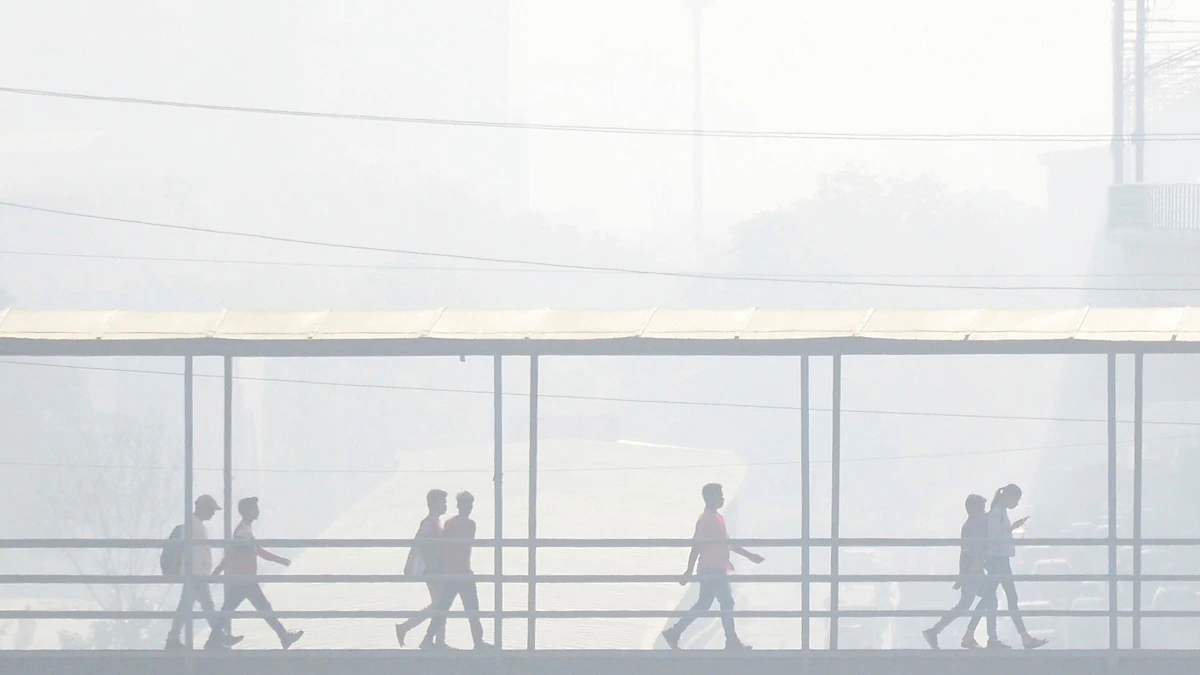
The data from AQI.in indicates that Ghaziabad’s reading is the highest recorded in the previous 24 hours, highlighting a troubling trend in air quality within the National Capital Region (NCR). The thick layer of smog enveloping both cities serves as a stark reminder of the ongoing air quality crisis affecting the region.

While both Ghaziabad and Delhi are grappling with severe pollution, the significant difference in AQI readings raises questions about the varying levels of air quality in neighbouring cities. This situation underscores the complex nature of air pollution, which can differ markedly even under similar weather conditions.

Factors Contributing to Ghaziabad’s Pollution

The elevated pollution levels in Ghaziabad are attributed to multiple sources rather than a single factor. Vehicle emissions, industrial activities, construction dust, and the burning of waste all contribute to the city’s deteriorating air quality. The Commission for Air Quality Management (CAQM) has consistently identified these elements as major contributors to pollution in the broader Delhi-NCR area.

Ghaziabad’s industrial zones and congested roadways exacerbate local pollution, while Delhi faces substantial emissions from traffic and industrial sources. However, pollutants do not adhere to geographical boundaries; they can travel across regions, impacting air quality in neighbouring areas. Local emissions, prevailing wind patterns, and weather conditions play crucial roles in determining how pollutants accumulate and disperse.

This variability in pollution levels highlights the intricate dynamics of air quality management in urban areas. The interplay of local emissions and external factors makes addressing air quality a complex challenge for authorities.

Impact of Stubble Burning and Weather Conditions

The recent spike in pollution levels coincides with an increase in stubble-burning incidents in Punjab, with satellite imagery revealing a rise in farm fires. This agricultural practice is becoming a significant contributor to the declining air quality across northern India. Additionally, smoke from farm fires in Pakistan is also impacting air quality, as northwesterly winds carry pollutants into Indian territory.

Weather forecasts indicate that these northwesterly winds are expected to persist for the next four days, potentially transporting smoke and other pollutants from burning fields towards Punjab, Haryana, Delhi, and Ghaziabad. This situation is compounded by the onset of the annual post-monsoon pollution season, which typically sees a spike in air quality issues.

With falling temperatures and calm winds, pollutants are likely to remain trapped closer to the ground, further deteriorating air quality. The absence of an active western disturbance, which can bring rain and stronger winds to help clear the air, adds to the concern, as no significant relief is anticipated in the coming week.

Future Outlook and Mitigation Efforts

The timing of this pollution crisis is particularly troubling, as the Diwali festival approaches. Increased traffic, firecracker usage, and festive activities are expected to exacerbate the already poor air quality. In response to the worsening situation, the CAQM has activated Stage 2 of the Graded Response Action Plan (GRAP) across the NCR.

Despite these measures, the ongoing rise in farm fires and persistent northwesterly winds suggest that Ghaziabad, Delhi, and surrounding areas may continue to experience prolonged periods of hazardous air quality. The situation calls for sustained efforts from local authorities and communities to address the multifaceted challenges of air pollution.

Long or Short, get news the way you like. No ads. No redirections. Download Newspin and Stay Alert, The CSR Journal Mobile app, for fast, crisp, clean updates!

App Store – https://apps.apple.com/in/app/newspin/id6746449540

Google Play Store – https://play.google.com/store/apps/details?id=com.inventifweb.newspin&pcampaignid=web_share

Latest News

Popular Videos
