


Delhi’s Air Quality Declines to ‘Very Poor’ Levels Ahead of Diwali Due to Stubble Burning and Agricultural Fires in Pakistan

The CSR Journal Magazine

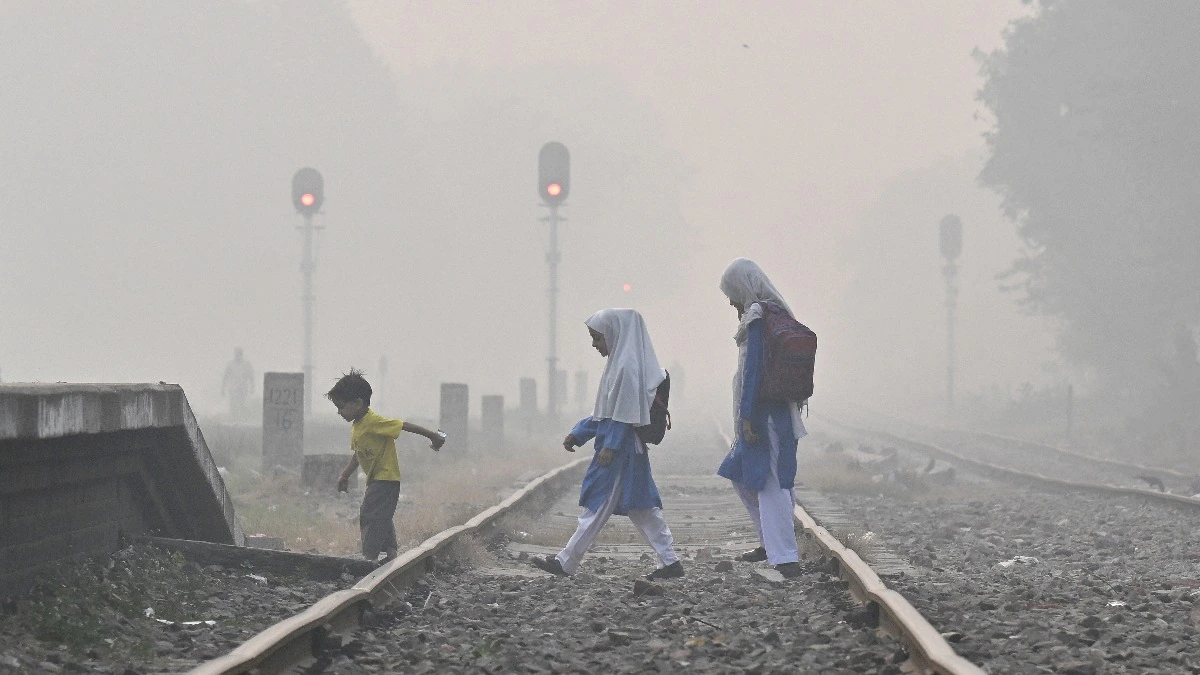
Delhi’s air quality has sharply declined as the festive season approaches, with the Air Quality Index (AQI) categorising it as ‘very poor’ just days before Diwali. The deterioration has been attributed to multiple factors, including stubble burning in neighbouring states and an alarming increase in agricultural fires across Pakistan. As a result, the capital is experiencing some of the worst air quality of the season.

Typically, the onset of hazardous winter smog occurs after Diwali; however, this year has seen an earlier spike in pollution levels. On November 2, the AQI in Delhi fell into the ‘very poor’ category for the first time this season. Reports indicate that on November 3, the average AQI was around 330, with several monitoring stations recording figures exceeding 400, which is classified as ‘severe’.

Just a few days prior, on October 30, Delhi’s AQI had improved to 60 following rainfall, marking the cleanest October air quality in over eight years with an average AQI of 167. The sudden increase in pollution has prompted the government to implement GRAP II emergency measures, which include stricter pollution control protocols such as water sprinkling and the deployment of anti-smog guns.

Impact of Agricultural Fires in Pakistan

Meteorological experts have identified a significant rise in agricultural fires in Pakistan’s Punjab region as a contributing factor to Delhi’s pollution crisis. Favourable weather conditions have allowed smoke from these fires to travel towards Delhi, exacerbating the already poor air quality. Current northwesterly winds are facilitating this movement, while low wind speeds hinder the dispersion of pollutants.

According to satellite data, the number of crop fires in Pakistan’s Punjab has surged this year, with reports indicating that fire counts are 4.2 times higher than in Indian Punjab during the first 29 days of October. Specifically, there were 13,241 incidents of stubble burning in Pakistan’s Punjab, compared to 3,158 in Indian Punjab for the same period. This increase in agricultural fires is expected to further deteriorate the air quality in the region.

Experts have noted that the geography of the northern plains contributes to the pollution problem, as it tends to trap pollutants closer to the ground. The situation is compounded by ongoing local emissions and the peak of stubble burning activities in both Pakistan and Indian Punjab.

Future Outlook for Delhi’s Air Quality

Looking ahead, a combination of factors such as falling temperatures and stagnant winds is likely to exacerbate the air quality crisis in Delhi. The ongoing smoke from farm fires in Punjab and Haryana continues to pose a significant threat. Many farmers were unable to harvest their crops in October due to unexpected rainfall, leading to an increase in stubble burning as they rush to clear their fields.

The India Meteorological Department (IMD) forecasts that northwesterly winds will persist for the next few days, which could allow more smoke from farm fires to enter the Delhi-NCR region. This situation, combined with relatively calm winds, is expected to trap pollutants closer to the ground, leading to further deterioration of air quality.

Experts warn that Delhi may soon experience its first day of severe AQI within the next few days. With Diwali approaching, the potential for additional pollution from firecrackers adds another layer of concern to an already critical air quality situation. The coming days will be crucial for Delhi-NCR as authorities monitor the evolving conditions.

Long or Short, get news the way you like. No ads. No redirections. Download Newspin and Stay Alert, The CSR Journal Mobile app, for fast, crisp, clean updates!

App Store – https://apps.apple.com/in/app/newspin/id6746449540

Google Play Store – https://play.google.com/store/apps/details?id=com.inventifweb.newspin&pcampaignid=web_share

Latest News

Popular Videos