


Long Queues and Traffic Congestion Reported at Delhi Borders Amid BS-VI Restrictions
The CSR Journal Magazine

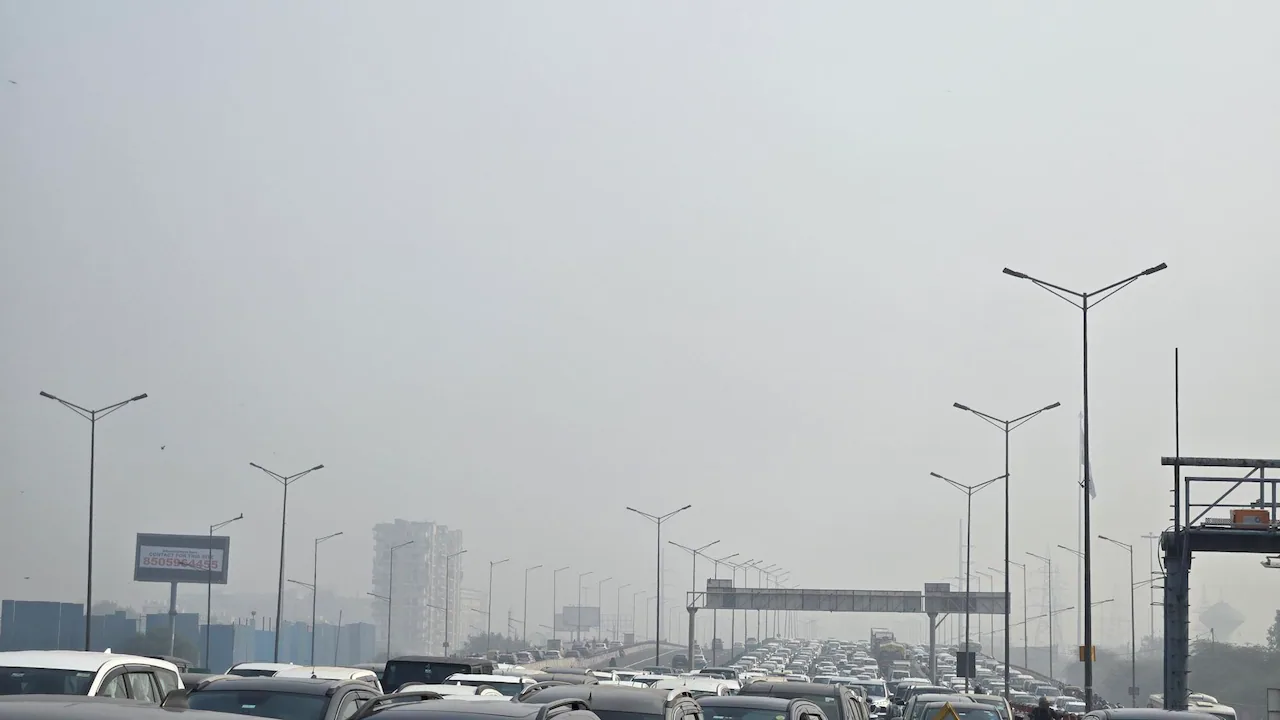
Delhi is currently facing significant traffic congestion at its borders due to the enforcement of restrictions on non-BS-VI compliant petrol and diesel vehicles. This situation has been exacerbated by the onset of winter, which typically brings worsening air quality in the city. A recent ground report by NDTV highlighted the severe traffic jams at major entry points, particularly at the Chilla and Ghazipur borders, where vehicles have been left idling for extended periods as traffic police conduct compliance checks.

As vehicles are stopped for BS-VI compliance verification, many commuters have found themselves caught in kilometre-long queues. The enforcement of these regulations is intended to reduce vehicular emissions, but the resultant traffic congestion raises concerns about the effectiveness of this approach. Commuters have expressed frustration, noting that the prolonged waiting times could counteract the intended benefits of the restrictions.

Commuters Share Their Experiences

Individuals stuck in traffic have reported significant increases in their travel times, leading to higher fuel consumption and, consequently, more emissions. One commuter, Prabhjyot, shared his experience, stating that the situation has become increasingly problematic, especially during the festive season when traffic is already heavy. He noted that the repeated stops for compliance checks were adding to the delays in his daily commute.

Another commuter, Avinash, illustrated the impact of the restrictions on his travel time. He mentioned that his usual journey of 41 minutes had extended to over an hour and 20 minutes on that day. Avinash questioned the long-term effectiveness of the restrictions, particularly when many vehicles on the road are already compliant with BS-VI standards. His concerns reflect a growing sentiment among commuters regarding the practicality of the enforcement measures.

While some commuters have voiced their criticisms, not all views are negative. Ashwani, who was also travelling through the Ghazipur border, acknowledged that such policies require time to yield results and should not be evaluated hastily. He emphasised the importance of public cooperation in addressing pollution issues and noted that he had planned his journey with the restrictions in mind.

Suggestions for Improvement and Future Considerations

At the Chilla border, commuter Ashok recounted his experience of being turned back due to his vehicle’s non-compliance with BS-VI norms, despite having a dental appointment. He suggested that rather than merely restricting older vehicles, the government should consider a scrapping policy that includes compensation for owners to facilitate the purchase of newer, environmentally friendly vehicles.

The scenes observed at both borders present a challenging dilemma for authorities: whether the enforcement of restrictions on polluting vehicles can achieve its goals if it results in extensive idling and congestion. As Delhi continues to grapple with poor air quality, addressing vehicular emissions remains a critical aspect of the pollution control strategy. However, effective traffic management and faster verification processes at border points are equally essential to mitigate the negative impact on commuters.

For many commuters, the immediate concern revolves around the increased time spent on the roads. However, for a city struggling with severe air pollution, the broader question remains whether these anti-pollution measures are inadvertently contributing to the very issues they aim to resolve.

Long or Short, get news the way you like. No ads. No redirections. Download Newspin and Stay Alert, The CSR Journal Mobile app, for fast, crisp, clean updates!

App Store – https://apps.apple.com/in/app/newspin/id6746449540

Google Play Store – https://play.google.com/store/apps/details?id=com.inventifweb.newspin&pcampaignid=web_share

Latest News

Popular Videos
