


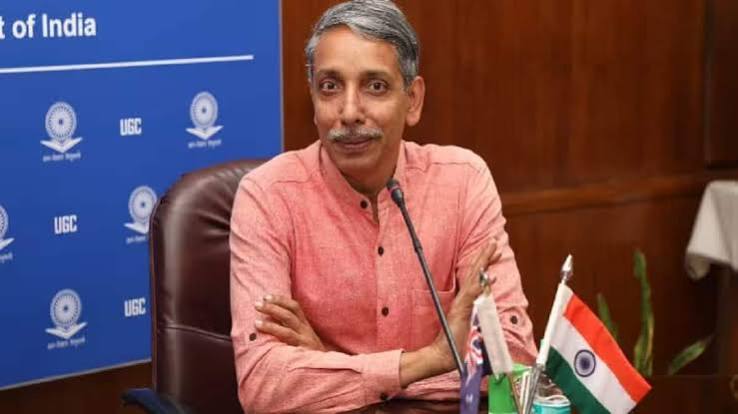

The National Testing Agency (NTA) is in need of significant structural enhancements to effectively tackle ongoing security issues surrounding examinations, according to Mamidala Jagadesh Kumar, former Chairman of the University Grants Commission (UGC). In an interview with PTI, Kumar highlighted that merely replacing the NTA would not be the ultimate solution to the complex challenges it faces.
Kumar, who also chairs the Review Committee for the National Education Policy (NEP) 2020, emphasised the importance of treating repeated paper leaks as an “end-to-end examination-security challenge.” This sentiment follows a series of controversies, including the recent NEET UG paper leak that incited protests among students and prompted the resignation of a minister.
The government has taken steps to reinforce the NTA and its examination framework, motivated by these incidents. A high-level committee led by technocrat Nandan Nilekani was constituted, and Parliament has enacted a law to impose stricter penalties for malpractice in public examinations.
Challenges Faced by the NTA
Kumar pointed out that the NTA is responsible for conducting examinations for over 1 crore candidates annually. Given this scale, he stated that security measures need to encompass various elements, including input from subject experts, digital systems, and the logistics of examination centres and invigilators. The Radhakrishnan Committee had previously provided recommendations aimed at enhancing these processes, and Kumar reiterated the necessity for improved data security and collaboration with state governments.
<h4“The long-term solution lies in continuous risk assessments, limiting the number of people who handle confidential materials, and ensuring digital traceability at every stage of the examination process,” he asserted. By implementing these measures, Kumar believes that breaches could be significantly reduced, thereby improving students’ trust in the examination system.
Kumar was asked if the NTA had become overextended due to its extensive responsibilities. He acknowledged the large workload but clarified that the issue lies not solely in the volume of examinations, but rather in the intricate nature of each test. He suggested that a partnership model, proposed by the Radhakrishnan Committee, could allow ministries and regulators to take charge of specific aspects of the examination process.
Recommendations for Strengthening the NTA
Kumar stated that the NTA should strengthen rather than overhaul its existing framework, noting its accumulated expertise and technological resources. He pointed out that 35 out of 46 major action points from the Radhakrishnan Committee have already been implemented, which he believes is indicative of progress.
<h4“While recent initiatives such as the inclusion of approximately 600 experts and a four-tier question paper scrutiny system are positive steps, comprehensive reforms will require a multi-faceted approach,” he said. Kumar underlined that a long-term vision must focus on developing the NTA into a professional institution integral to national education.”