


Delhi-NCR Activates GRAP-1 as Air Quality Declines to ‘Poor’ Category Following Dussehra Celebrations

The CSR Journal Magazine

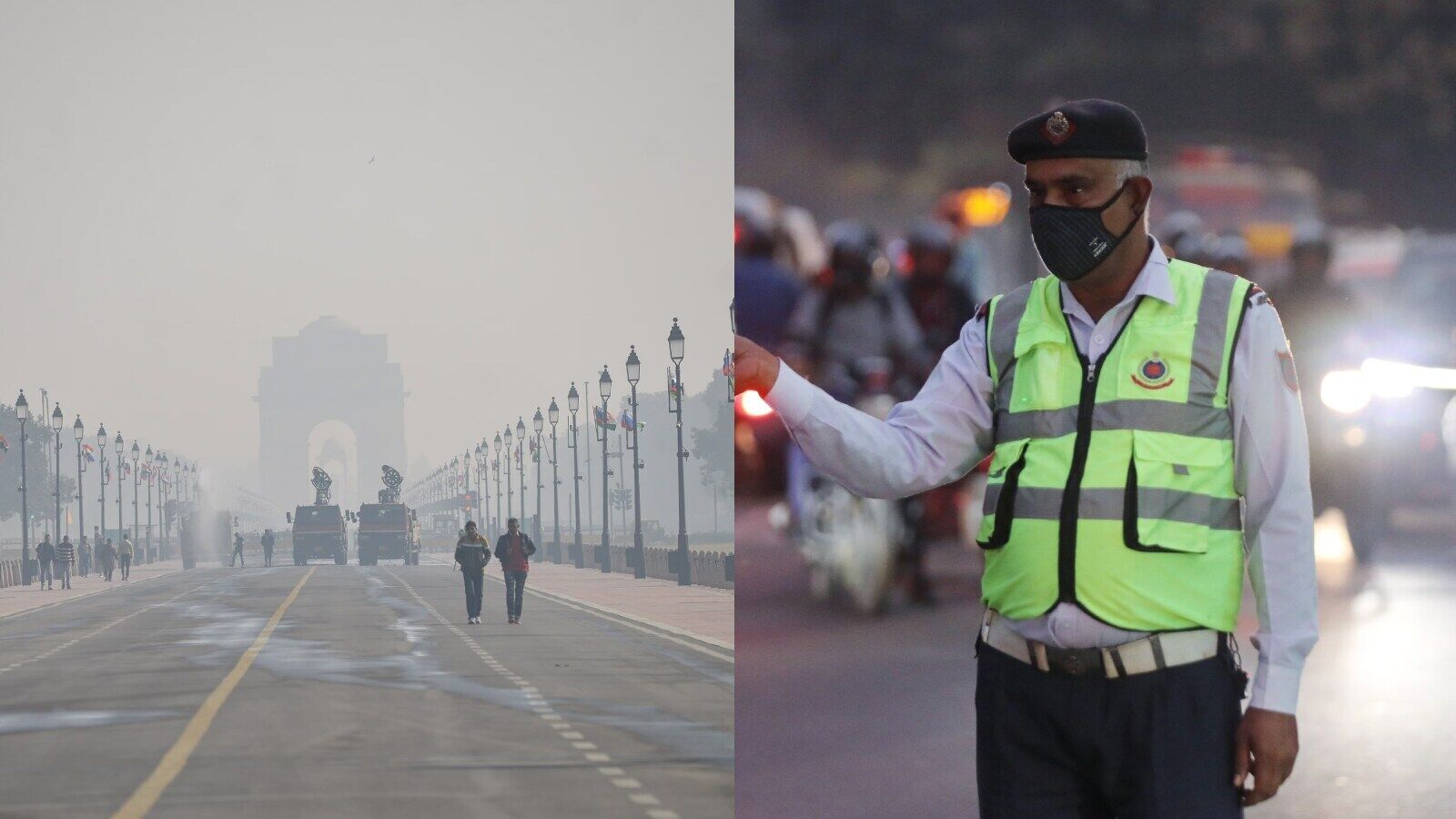
Delhi has initiated the first phase of its seasonal pollution control measures as air quality has reportedly fallen into the ‘poor’ category. This decision follows a significant decline in air quality levels after the Dussehra celebrations, as noted in a report. The Graded Response Action Plan (GRAP) Stage-I has been enforced across the National Capital Region (NCR) for the first time this season.

Air Quality Index Reports Significant Decline

On Wednesday, October 21, 2026, Delhi’s Air Quality Index (AQI) recorded a reading of 245 at 4 pm, categorising it as ‘poor’. This represents a notable increase of 59 points from the previous day’s AQI of 179. The Central Pollution Control Board (CPCB) provided this data in their latest update. In addition to Delhi, Gurugram also experienced poor air quality, registering an AQI of 216, while Noida recorded an AQI of 249, both falling within the same ‘poor’ classification.

The deterioration in air quality has raised concerns among residents and authorities alike. Environment Minister Manjinder Singh Sirsa announced the implementation of GRAP-1 during a press briefing on Wednesday afternoon, highlighting the need for immediate action to address the worsening conditions.

The air quality decline is often exacerbated by seasonal factors, including weather changes and increased emissions from various sources. The government aims to mitigate these effects through the structured framework provided by GRAP.

Understanding the Graded Response Action Plan

The Graded Response Action Plan (GRAP) is a systematic approach designed to manage air pollution levels in urban areas. It establishes a series of emergency responses that become active when air quality surpasses designated safety limits. The plan aims to prevent the escalation of pollution and protect public health.

GRAP is divided into several stages, each corresponding to specific AQI ranges. Stage 1 is activated when the AQI falls between 201 and 300, categorising the air quality as ‘poor’. Should the situation worsen and the AQI reach between 301 and 400, Stage 2 measures will be implemented to further reduce emissions. If air quality deteriorates to a ‘severe’ level, with AQI readings between 401 and 500, Stage 3 regulations come into effect.

Finally, if pollution levels exceed an AQI of 450, the most stringent measures under GRAP Stage 4 are enforced. These stages are crucial for ensuring that public health is safeguarded during critical pollution emergencies.

Future Implications for Air Quality Management

The activation of GRAP-1 in Delhi-NCR underscores the ongoing challenges faced in managing air quality, particularly during the transition into winter months when pollution levels typically rise. Authorities are expected to monitor the situation closely and adjust regulations as necessary to ensure compliance and effectiveness.

As the region continues to grapple with air quality issues, public awareness and cooperation will be essential in adhering to the guidelines set forth by GRAP. The government’s proactive measures aim to mitigate the adverse effects of air pollution on health and the environment.

In conclusion, the implementation of GRAP-1 marks a critical step in addressing the immediate concerns surrounding air quality in Delhi-NCR. Ongoing assessments and public engagement will be vital in navigating the challenges posed by seasonal pollution.

Long or Short, get news the way you like. No ads. No redirections. Download Newspin and Stay Alert, The CSR Journal Mobile app, for fast, crisp, clean updates!

App Store – https://apps.apple.com/in/app/newspin/id6746449540

Google Play Store – https://play.google.com/store/apps/details?id=com.inventifweb.newspin&pcampaignid=web_share

Latest News

Popular Videos