


Delhi’s Air Quality Worsens Significantly During Dussehra
The CSR Journal Magazine

Air Quality Index Surge

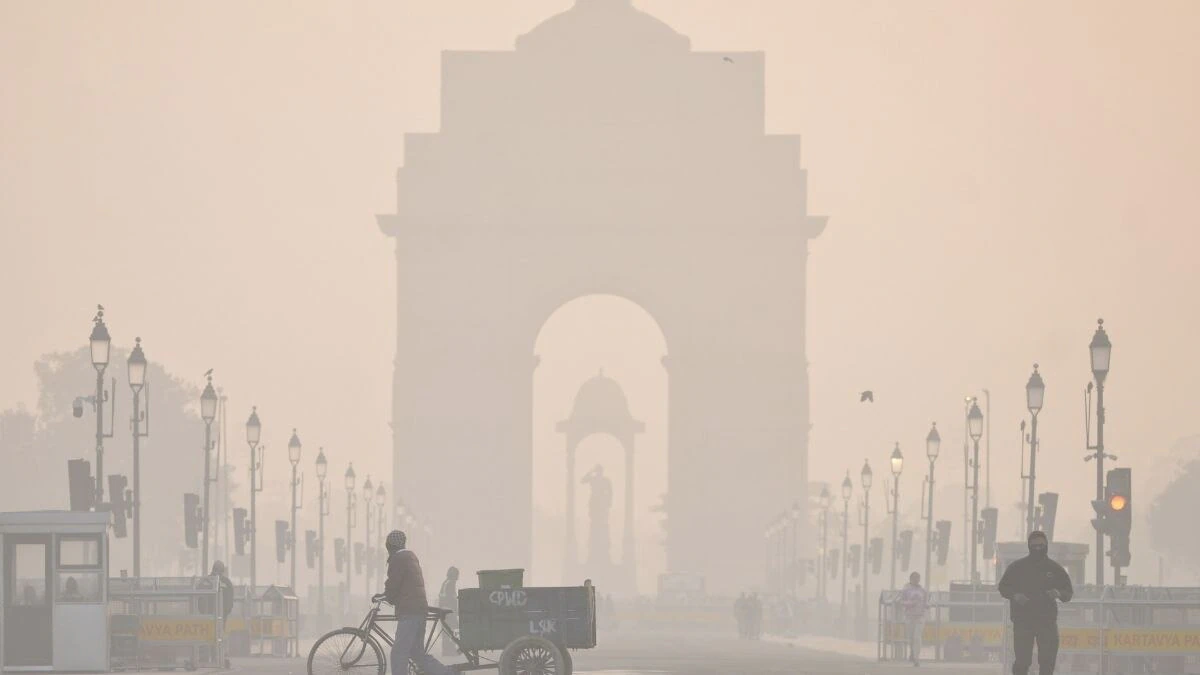
Delhi’s air quality saw a marked decline around the time of Dussehra, with the official Air Quality Index (AQI) rising from 179 on October 20 to 244 at 2 pm on October 21, as reported by the Commission for Air Quality Management (CAQM). This increase of 65 points shifted the AQI from the moderate to the poor category, prompting the implementation of Stage I of the Graded Response Action Plan (GRAP) across the National Capital Region (NCR).

On October 20, the AQI in Delhi was recorded at 179 at 4 pm, categorising it as moderate. However, by the following day at 2 pm, the AQI had escalated to 244, thereby entering the poor category. This significant rise indicates a rapid deterioration in air quality over a short span of time, as per India’s national AQI scale, which differs from the United States AQI scale used by some air quality monitoring platforms.

Factors Contributing to Air Quality Decline

Several factors may have contributed to the rise in air pollution levels during this period. The use of firecrackers and the burning of effigies during Dussehra, along with stubble burning in neighbouring areas, are believed to have played a role. Additionally, unfavourable weather conditions may have exacerbated the situation.

Weak winds can hinder the dispersal of pollutants, allowing them to accumulate in the atmosphere. However, it is important to note that the AQI figures alone do not provide a definitive breakdown of how much each source contributed to the observed increase in pollution levels.

As the AQI levels rose, the CAQM took immediate action by invoking Stage I of the Graded Response Action Plan across the NCR on October 21. This stage is applicable to the poor category of air quality, which encompasses AQI readings ranging from 201 to 300. Stage II, on the other hand, pertains to the very poor category, covering readings from 301 to 400.

Graded Response Action Plan Implementation

The CAQM has indicated that forecasts from the India Meteorological Department (IMD) and the Indian Institute of Tropical Meteorology (IITM) suggest that air quality in the region is likely to remain in the poor category for the coming days. This situation necessitates ongoing monitoring and response to mitigate the adverse effects of air pollution.

In light of the rising pollution levels, individuals are advised to take certain precautions to minimise exposure. Wearing a well-fitting N95 mask outdoors when pollution levels are high is recommended. Additionally, it is advisable to move strenuous exercise indoors during periods of poor air quality.

Using an air purifier indoors, if available, can also help improve air quality within homes. Special care should be taken with vulnerable groups, including children, older adults, and those with pre-existing respiratory or cardiovascular conditions. Checking reliable AQI updates before planning outdoor activities can further assist individuals in making informed decisions regarding their health.

The recent increase in Delhi’s AQI underscores the rapid fluctuations in air quality that can occur. Continuous tracking of pollution levels and limiting exposure during high pollution periods are essential for public health and safety.

Long or Short, get news the way you like. No ads. No redirections. Download Newspin and Stay Alert, The CSR Journal Mobile app, for fast, crisp, clean updates!

App Store – https://apps.apple.com/in/app/newspin/id6746449540

Google Play Store – https://play.google.com/store/apps/details?id=com.inventifweb.newspin&pcampaignid=web_share

Latest News

Popular Videos
