


Construction Workers Discover Rare Dinosaur Fossil in Colorado
The CSR Journal Magazine

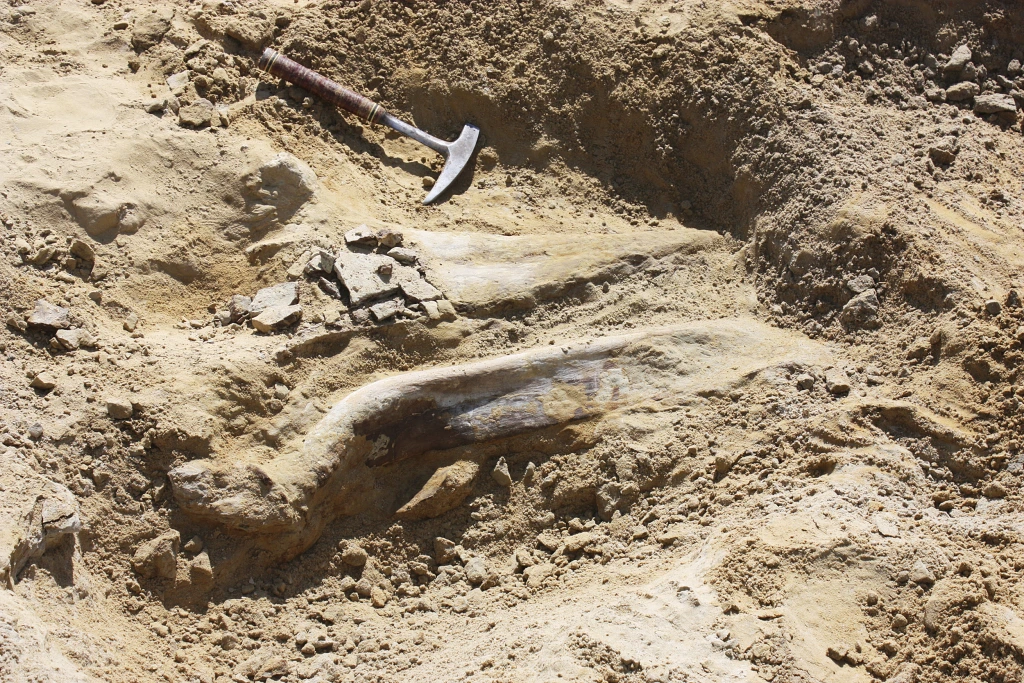
Construction workers in Colorado made a significant discovery when they inadvertently excavated a rare dinosaur fossil. The incident occurred in the town of Castle Rock, where the crew was engaged in routine construction activities. During the digging process, they revealed the remains of a large dinosaur, which sparked immediate excitement among palaeontologists and local residents alike.

Significance of the Find

The fossil discovered is believed to belong to a dinosaur species that roamed the earth millions of years ago. Archaeological experts reported that such finds are remarkably infrequent, making this discovery particularly valuable for scientific research. The significance of this fossil extends beyond its age, as it has the potential to contribute to the understanding of the prehistoric ecosystem and the species that once inhabited the region.

The process of excavation was not an easy one. Once the fossil was unearthed, experts collaborated with the construction team to ensure the fossil was preserved properly. Authorities and palaeontologists worked jointly to document the location and condition of the fossil, taking meticulous care not to further damage the remains. This careful approach also highlighted the intersection of modern construction and historical discovery.

Fossils of this nature often provide vital clues about the size, behaviour, and habitat of dinosaurs. The Castle Rock find is particularly noteworthy due to its potential to add to existing knowledge about the types of dinosaurs that existed in Colorado specifically, as well as their evolutionary lineage. Experts expressed hope that further analysis of the fossil would yield insights into the geological history of the area.

Collaboration Between Experts and Local Authorities

Following the discovery, there was a concerted effort by local and state authorities to ensure that the fossil was studied thoroughly. The Colorado Office of Archaeology and Historic Preservation, along with various palaeontologists from nearby institutions, conducted a detailed examination of the site. They utilised advanced imaging techniques and analysis methods to gain a comprehensive understanding of the fossil’s characteristics and significance.

Moreover, the incident was an opportunity for community engagement, as local schools and educational programmes expressed interest in learning more about the discovery. The authorities facilitated public talks and tours, educating the community about the importance of fossils in understanding earth’s history. This involvement aimed to inspire interest in geology and palaeontology among younger generations.

The collaboration also emphasised how public awareness and scientific inquiry can converge to enhance knowledge about natural history. With many fossils being discovered during construction activities, this incident serves as a reminder of the potential significance that lies beneath the surface in urban areas.

Ongoing Research and Future Implications

The ongoing research surrounding the Castle Rock fossil continues to yield promising results. Scientific teams are now conducting extensive studies to learn more about the species it belonged to, including its dietary habits, habitat preferences, and possible interactions with other species. Early findings suggest that the fossil might offer new perspectives on the behaviour and ecology of dinosaurs during its era.

As more data accumulate, the implications of this discovery could extend into various realms of scientific inquiry, potentially leading to further excavations in the area. Archaeologists and paleontologists are keen to find more fossils, which could provide additional context or even reveal new species. As such, the discovery has not only added to the historical narrative of Colorado but also ignited a renewed interest in paleontological exploration within the region.

In conclusion, the accidental discovery of the dinosaur fossil by construction workers in 2017 represents a remarkable intersection of modern activities and ancient history. The ongoing research is anticipated to enhance the understanding of prehistoric life, demonstrating the enduring legacy of such finds in informing both science and public education.

Long or Short, get news the way you like. No ads. No redirections. Download Newspin and Stay Alert, The CSR Journal Mobile app, for fast, crisp, clean updates!

App Store –  https://apps.apple.com/in/app/newspin/id6746449540 

Google Play Store – https://play.google.com/store/apps/details?id=com.inventifweb.newspin&pcampaignid=web_share

Latest News

Popular Videos
