


Congress Criticises Modi Government Over Recent Fuel Price Hikes
The CSR Journal Magazine

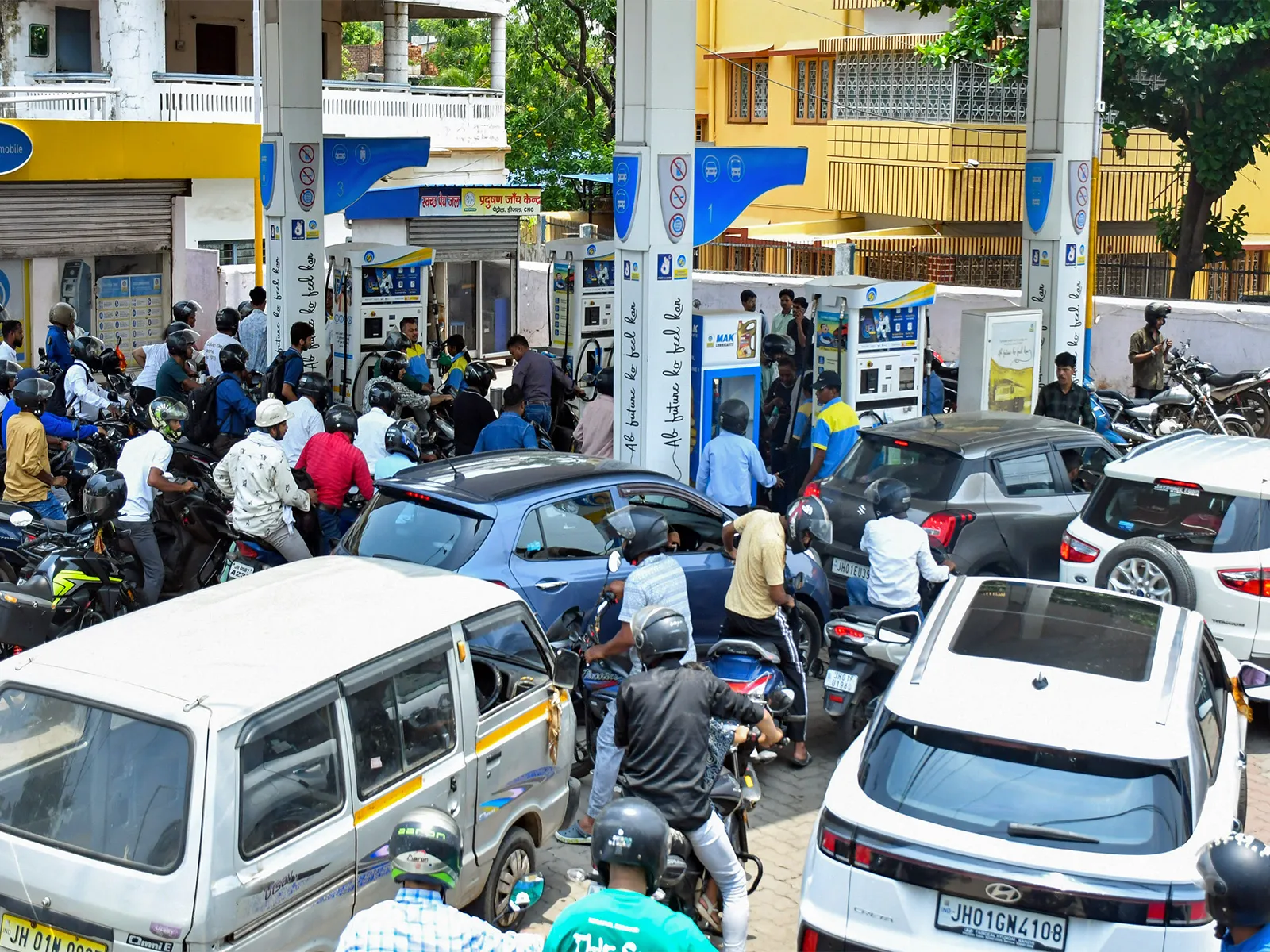
The Congress party has stated that the price of petrol and diesel has risen by Rs 5 within a span of nine days. This price surge has led to significant concerns regarding the impact on the common citizen. The party alleges that the government is failing to support its people while imposing unfair financial burdens.

According to the Congress, these increases are detrimental to daily commuters and are affecting the cost of essential goods and services. The recent hikes have sparked widespread criticism, as fuel prices have seen consistent upward trends in recent months, raising alarms about inflation and its ripple effects on the economy.

The government’s silence on the rationale behind these price adjustments has intensified scrutiny from various political factions. The Congress party’s leaders have called for transparency and a clear explanation regarding the factors contributing to these significant fuel price alterations.

Political Reactions to the Price Hike

Several opposition parties, including the Congress, have vehemently condemned the Modi administration’s approach to fuel pricing. They assert that the government has been indifferent to the plight of the populace, labelling the pricing strategy as an example of economic mismanagement.

Congress leaders allege that the current government is prioritising profit over welfare, which they believe is an attempt to exploit citizens financially. They argue that this trend reflects a broader pattern of disregard for the economic hardships faced by the average individual in India.

The reactions have not only been confined to political circles. Various representatives from civil society and economic experts have also voiced their discontent. They express concerns that without intervention, low and middle-income families will face increasingly difficult choices regarding daily expenses and transport costs.

Implications on Economy and Citizens

Experts indicate that the rising cost of fuel may have wider economic implications. The increase is likely to trigger a chain reaction whereby transportation and logistics costs rise, subsequently affecting the pricing of goods across industries. Inflation may erode purchasing power, placing additional strain on families already grappling with financial uncertainties.

Moreover, the Congress party has called for mobilisation of public support to demand accountability from the government. They emphasise the need for dialogue between the ruling party and citizens to better understand their grievances and expectations regarding fuel pricing policies.

The situation has also highlighted the need for a strategic approach to energy management in India. With dependency on global oil markets, the pressure of fluctuating fuel costs has become a pressing issue. Policymakers face the challenge of balancing pricing strategies while ensuring their citizens are not adversely affected.

As the discourse on fuel pricing continues, the government may be compelled to address these concerns and outline a comprehensive plan to manage fuel costs and their implications on the economy. The ongoing dialogue between political entities and the public is crucial for determining future strategies in energy management.

Long or Short, get news the way you like. No ads. No redirections. Download Newspin and Stay Alert, The CSR Journal Mobile app, for fast, crisp, clean updates!

App Store –  https://apps.apple.com/in/app/newspin/id6746449540 

Google Play Store – https://play.google.com/store/apps/details?id=com.inventifweb.newspin&pcampaignid=web_share

Latest News

Popular Videos
