


Collapse of Kanchan Ganga Glacier Raises Concerns Over Glacier Stability
The CSR Journal Magazine

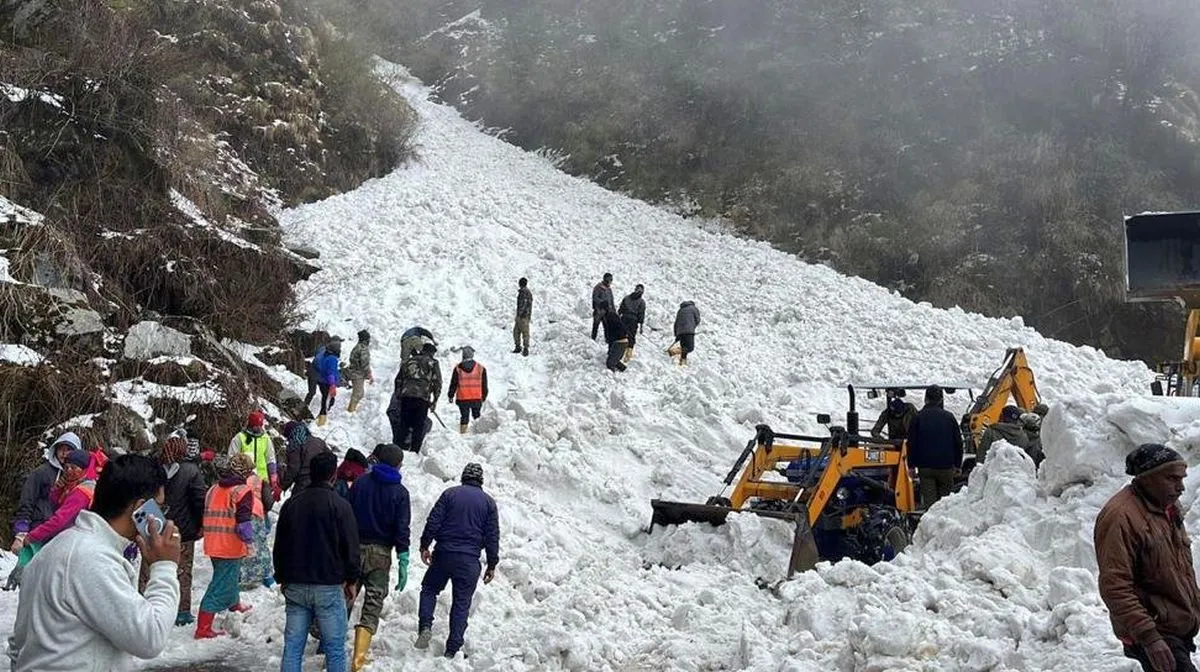
The recent collapse of the Kanchan Ganga glacier near Badrinath Dham has raised alarms regarding the stability of glaciers in Uttarakhand. While officials confirmed that there were no reported casualties or damages, experts warn that such events are increasingly frequent in this delicate Himalayan region. The implications of this incident underscore a broader concern about glacier instability, which is being exacerbated by climate change.

Glaciers in the Himalayas are naturally prone to instability due to their steep terrains and the ever-changing geological conditions. However, the current effects of climate change, including rising temperatures and accelerated glacier melt, are reportedly rendering many glaciers significantly more hazardous than in the past.

Experts indicate that the combination of warming temperatures and the region’s unique topography are major factors contributing to glacier instability. As glaciers retreat, they become more vulnerable, and the natural landscape significantly influences their structural integrity.

Growing Risks from Hanging Glaciers

One major concern for Uttarakhand is the presence of “hanging glaciers,” which are located high on steep mountain slopes. Unlike larger valley glaciers, these hanging glaciers are suspended above the valleys and can collapse unexpectedly. When these glaciers break apart, they can generate avalanches, debris flows, and potentially devastating flash floods in the valleys below.

A recent investigation conducted by researchers from the Indian Institute of Science, Defence Research and Development Organisation, and the Indian Institute of Technology Bhubaneswar has identified numerous potentially unstable hanging glaciers throughout the Central Himalayas. This research, published in the journal npj Natural Hazards, focused particularly on the Alaknanda river basin, an area that has experienced multiple disasters in recent years.

The study utilised satellite imagery and terrain analysis alongside hazard modelling to map vulnerable glaciers and highlighted an increasing risk of avalanches and floods. This is particularly alarming given that similar events have occurred in recent history.

Consequences of Glacial Lake Bursts and Human Activity

Another significant risk stems from glacial lakes that form as glaciers continue to melt. These lakes can rupture unexpectedly, unleashing substantial volumes of water, debris, and rocks into the downstream areas. Such floods can travel considerable distances, sometimes as far as 20 to 40 kilometres, depending on the geographical conditions and rainfall.

Environmental scientists have cautioned that the expansion of infrastructure—including roads and hydropower projects—within high-risk zones may amplify the impacts of future disasters. They advocate for careful planning and the avoidance of development in glacier-fed valleys and avalanche-prone slopes to mitigate potential risks.

Researchers stress that while glacier collapses are natural occurrences, the frequency and severity of these events are now influenced by both climate change and human-induced activities. For Uttarakhand, the urgent task lies not only in monitoring these glaciers but also in learning how to adapt to living in this fragile mountain ecosystem.

Long or Short, get news the way you like. No ads. No redirections. Download Newspin and Stay Alert, The CSR Journal Mobile app, for fast, crisp, clean updates!

App Store –  https://apps.apple.com/in/app/newspin/id6746449540 

Google Play Store – https://play.google.com/store/apps/details?id=com.inventifweb.newspin&pcampaignid=web_share

Latest News

Popular Videos
