


Chairman Prevents Discussion on Women’s Reservation Bill, Claims DMK MP P Wilson
The CSR Journal Magazine

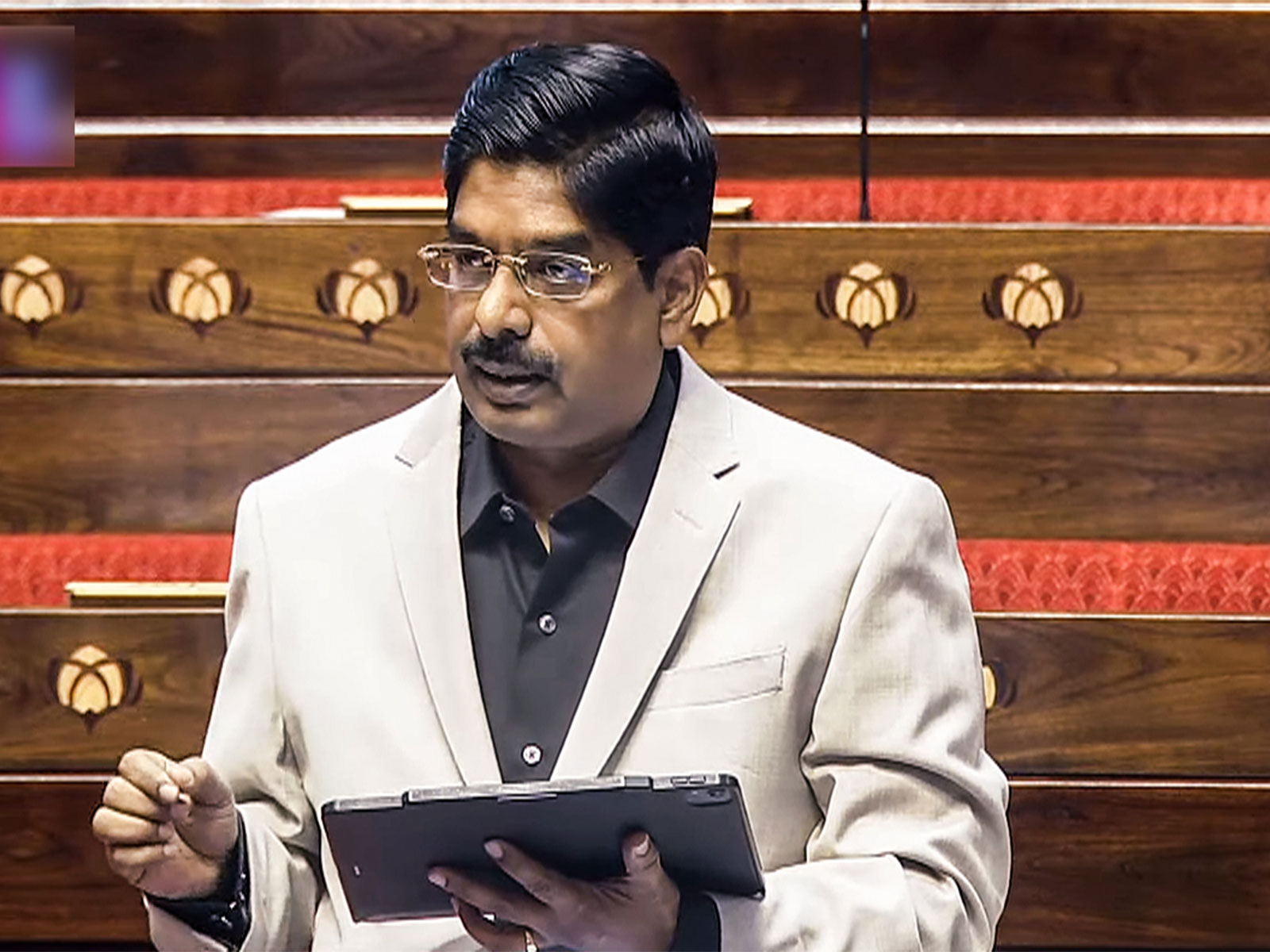
P Wilson, a Member of Parliament from the Dravida Munnetra Kazhagam (DMK), recently announced that C P Radhakrishnan, the Chairman of the Rajya Sabha, did not allow a debate on his Private Member’s Bill advocating for urgent implementation of women’s reservation. This statement followed the Lok Sabha’s rejection of the Constitution (One Hundred and Thirty-First Amendment) Bill, 2026.

Wilson mentioned that he aimed to provide a 33 per cent reservation for women in both the Lok Sabha and State Legislative Assemblies, explicitly stating that this proposal should not be contingent upon delimitation or census exercises. He expressed disappointment at being unable to initiate discussion on the matter.

In his remarks, Wilson asserted that the Chairman refused to entertain a notice under Rule 267 for this proposal, especially after the Lok Sabha had rejected three related bills. His claims indicate a significant concern regarding the ongoing discourse around women’s representation in legislative bodies.

Concerns Over the Centre’s Intentions

Wilson accused the central government of not genuinely intending to implement women’s reservation. He highlighted that linking the reservation to processes like delimitation and census would unnecessarily delay its execution. His assertions raised alarms about the potential consequences of conditional provisions on women’s reservation.

According to Wilson, the government’s strategy, which involves forming a Delimitation Commission followed by a fresh census, would result in prolonged delays for the proposed 33 per cent reservation for women. He warned that such delays could lead to extended legal and political conflicts surrounding the issue.

Acting on the guidance of Tamil Nadu Chief Minister MK Stalin, Wilson introduced his Private Member’s Constitution Amendment Bill, which calls for immediate implementation of women’s reservation without postponing it due to delimitation or census. He argued that the reservation should be established based on the existing strength of 543 Lok Sabha seats, thereby benefiting women across several political arenas, including State Assemblies and Union Territories.

Political Reactions and Future Implications

The dismissal of the Constitution Amendment Bill has drawn various responses from political parties. BJP MP Laxmi Verma accused the Congress of obstructing women’s empowerment, interpreting remarks made by Congress members as opposition to the Women’s Reservation Bill.

Samajwadi Party MP Dimple Yadav characterised the proposal as “anti-Dalit” and “anti-OBC,” suggesting that it contributes to divisions among marginalised groups. Her statements highlighted concerns about the broader implications of women’s reservation provisions and their intersection with caste dynamics.

Congress MP Mallu Ravi alleged that the BJP strategically linked women’s reservation with delimitation, sabotaging the bill’s chances of passage. He claimed that the BJP aims to undermine reservations altogether. Meanwhile, BJP leaders counteracted these claims, expressing confidence in the eventual passage of the women’s reservation bill. MP Kangana Ranaut stated that while some may feel discouraged, faith should be placed in the Prime Minister’s commitment to the legislation.

MP Rekha Sharma accused Congress of failing to act on women’s reservation for decades, invoking criticism of the party’s sincerity regarding women’s issues. Her comments reflect the ongoing tensions and rivalries among political entities concerning the future of women’s representation in India’s legislative framework.

Long or Short, get news the way you like. No ads. No redirections. Download Newspin and Stay Alert, The CSR Journal Mobile app, for fast, crisp, clean updates!

App Store –  https://apps.apple.com/in/app/newspin/id6746449540 

Google Play Store – https://play.google.com/store/apps/details?id=com.inventifweb.newspin&pcampaignid=web_share

Latest News

Popular Videos
