


Afghanistan’s ‘One-Kidney Village’ Where Residents Sold Organs to Survive
The CSR Journal Magazine

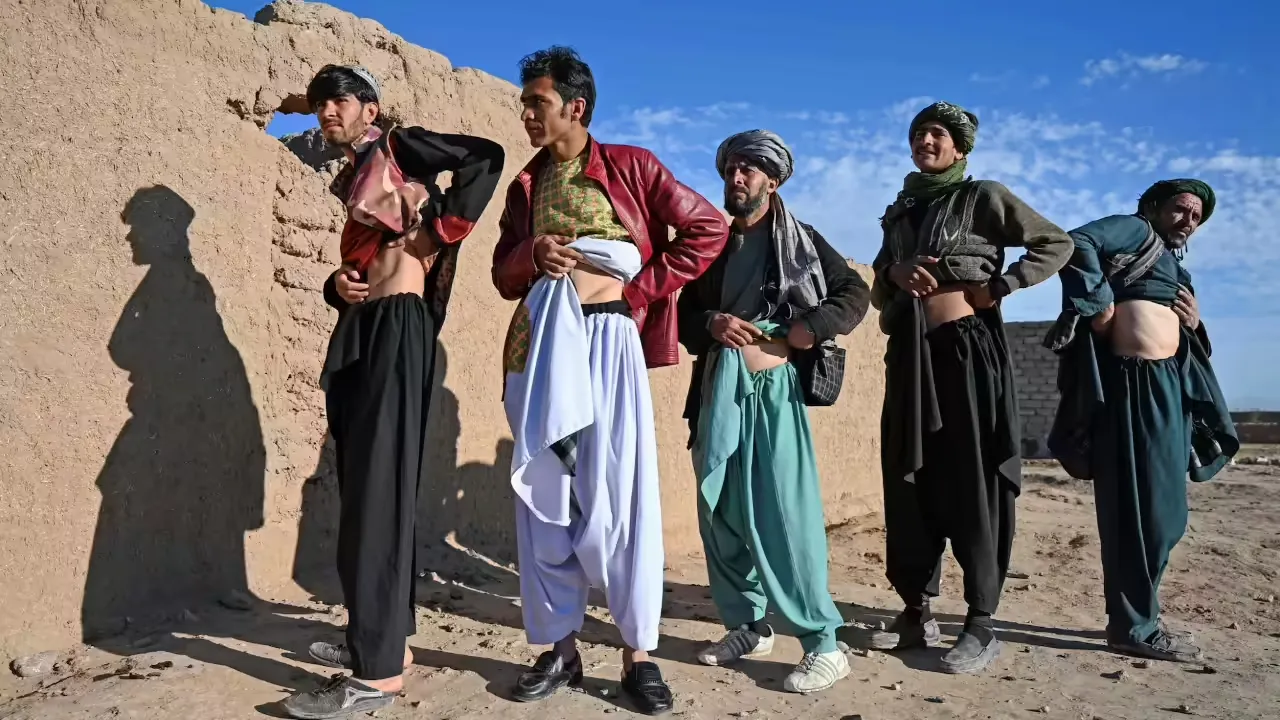
Afghanistan’s unique village, often referred to as the ‘one-kidney village’, is home to a community where many residents have reportedly sold their kidneys to address severe economic hardships. This phenomenon highlights the dire conditions faced by the people living in this area, which has been exacerbated by years of conflict and instability in the country. The village is situated in the western province of Badghis, where access to basic needs is increasingly becoming a struggle.

Economic Challenges Faced by Residents

The residents of this village are grappling with extreme poverty, which has necessitated drastic measures for survival. Many families find it difficult to secure food and other essential resources, leading to the heartbreaking choice of organ sale. Reports indicate that selling a kidney can fetch between Rs 1 lakh to Rs 2 lakh, providing temporary relief for some families, though at a severe personal cost.

With ongoing economic challenges in Afghanistan, including rising inflation and job scarcity, these residents feel trapped in a cycle of desperation. Traditional means of livelihood, such as agriculture and animal husbandry, have been negatively impacted by climatic changes and the lack of financial support from the government. This dire scenario leaves many feeling that they have no option but to resort to organ sale.

Health implications of organ sale also emerge as a concern, as individuals may face long-term health issues after undergoing such procedures. The harsh reality is that while selling a kidney may provide immediate financial assistance, the long-term health risks often remain unaddressed, thereby posing a significant dilemma for those involved.

Community Response to the Crisis

In light of these circumstances, community leaders and non-governmental organisations have begun to raise awareness about the dangers associated with organ sales. Efforts are being made to provide alternative means of sustenance, including skills training and microfinance initiatives, aimed at empowering residents. Such programmes aim to promote economic self-sufficiency and reduce reliance on dangerous and illegal activities.

There is an increasing emphasis on mental health support for those affected by the pressures of poverty and the trauma of organ sale. Local organisations strive to address the psychological toll these experiences take on individuals and families. Through counselling and community outreach, residents are encouraged to share their stories and seek help, fostering a sense of unity and strength amid adversity.

International organisations have also taken notice of these issues, with some providing aid to help alleviate the financial burdens faced by the community. Such initiatives are critical in ensuring that families have access to basic necessities without resorting to extreme measures. However, the effectiveness of these programmes remains to be seen in the long term as the need for sustainable solutions continues to grow.

Path Forward for the Residents

The villagers’ situation in Badghis underscores the urgent need for comprehensive socio-economic reforms in Afghanistan. Long-term solutions must address the multiple layers of poverty, joblessness, and health risks associated with organ sale. Partnerships between local government bodies and international aid organisations will be essential for creating a framework that supports community development and enhances the quality of life.

While the current reality is challenging, there is hope for improvement as discussions around the socio-economic welfare of rural communities gain traction. Ensuring that these residents can access education, healthcare, and employment opportunities remains a priority. The road to recovery is complex, but with concerted efforts, it may be feasible to change the course of life in the ‘one-kidney village’ for the better.

Long or Short, get news the way you like. No ads. No redirections. Download Newspin and Stay Alert, The CSR Journal Mobile app, for fast, crisp, clean updates!

App Store –  https://apps.apple.com/in/app/newspin/id6746449540 

Google Play Store – https://play.google.com/store/apps/details?id=com.inventifweb.newspin&pcampaignid=web_share

Latest News

Popular Videos
