


Cabinet Approves Rs 24,815 Crore Rail Expansion Projects In UP, Andhra Pradesh
The CSR Journal Magazine

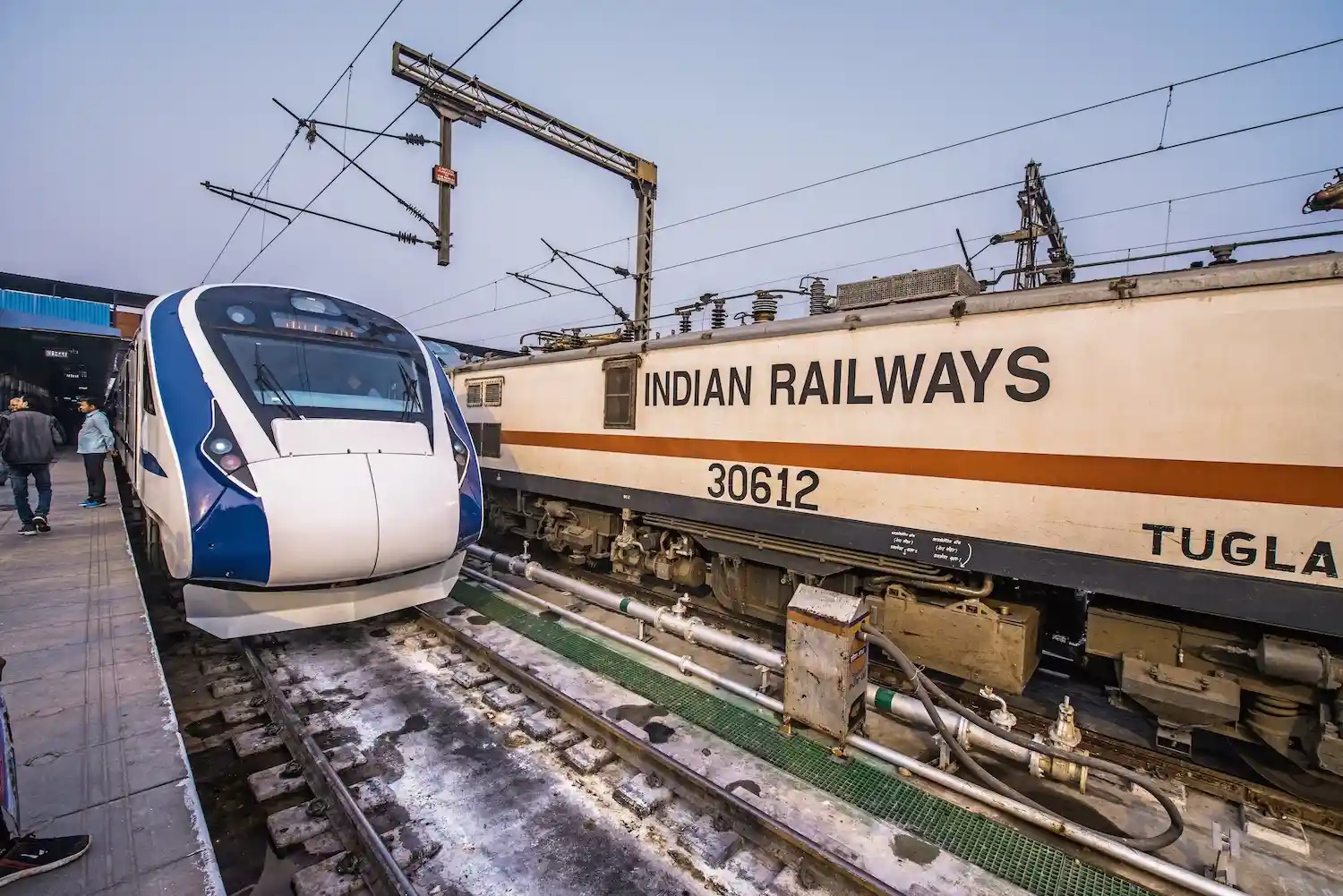
The Cabinet Committee on Economic Affairs, led by Prime Minister Narendra Modi, has sanctioned two significant multitracking projects in Uttar Pradesh and Andhra Pradesh. The total financial outlay is approximately Rs 24,815 crore. This decision, made on April 18, 2026, encompasses the Ghaziabad-Sitapur third and fourth lines and the Rajahmundry (Nidadavolu)-Visakhapatnam (Duvvada) third and fourth lines, amounting to substantial expansions in the Indian Railways network.

The Ghaziabad-Sitapur project spans a route length of 403 km and comprises a track length of 859 km. With an estimated cost of about Rs 14,926 crore, this initiative aims to alleviate congestion within a key corridor. The Rajahmundry-Visakhapatnam project follows closely, with a route length of 198 km and a projected cost of approximately Rs 9,889 crore, enhancing connectivity in a vital freight route.

The approval of these projects is expected to enhance operational efficiency significantly, allowing for improved mobility and service reliability across the Indian Railways network.

Impact on Connectivity and Economic Growth

These projects are poised to improve connectivity across 15 districts in Uttar Pradesh and Andhra Pradesh, increasing the existing railway network by approximately 601 km. The enhanced line capacity is anticipated to facilitate smoother transport of passengers and goods, directly impacting economic growth by creating more employment opportunities.

In alignment with Prime Minister Modi’s Vision of a New India, these developments are designed to promote self-sufficiency or “Atmanirbhar” in these regions. The integration of these routes corresponds with the PM-Gati Shakti National Master Plan, which focuses on enhancing multi-modal transport and logistical efficiency through comprehensive planning and stakeholder engagement.

The railway expansions are expected to link several prominent tourist destinations, thus potentially boosting local tourism revenue and providing better access to historical and religious sites like Dudheshwarnath Temple and Garhmukteshwar Ganga Ghat.

Environmental Benefits and Future Prospects

The environmental benefits projected from the railway expansion are noteworthy. The initiative is expected to facilitate a reduction in CO2 emissions by approximately 180.31 crore kg, equivalent to the planting of 7.33 crore trees. In addition, the projects aim to reduce logistics costs by around Rs 2,877.46 crore annually compared to road transportation, thus providing a more energy-efficient mode of transport.

The Ghaziabad-Sitapur line, a vital section of the Delhi-Guwahati high-density network, currently faces capacity utilisation issues, reaching up to 168%. The proposed enhancements are critical, as failure to act may see utilisation increase to 207%. The project also aims to bypass several congested stations, aiming at smoother operational flow and reduced delays.

The Rajahmundry-Visakhapatnam segment forms part of the Howrah-Chennai high-density network, touted as one of the busiest freight sections along the east coast. This expansion anticipates an increase in freight traffic, potentially contributing an additional 29.04 million tonnes per annum, which further underscores its significance for the region’s industrial growth.

Long or Short, get news the way you like. No ads. No redirections. Download Newspin and Stay Alert, The CSR Journal Mobile app, for fast, crisp, clean updates!

App Store –  https://apps.apple.com/in/app/newspin/id6746449540 

Google Play Store – https://play.google.com/store/apps/details?id=com.inventifweb.newspin&pcampaignid=web_share

Latest News

Popular Videos
