


Cabinet Approval for Coal Gasification Scheme
The CSR Journal Magazine

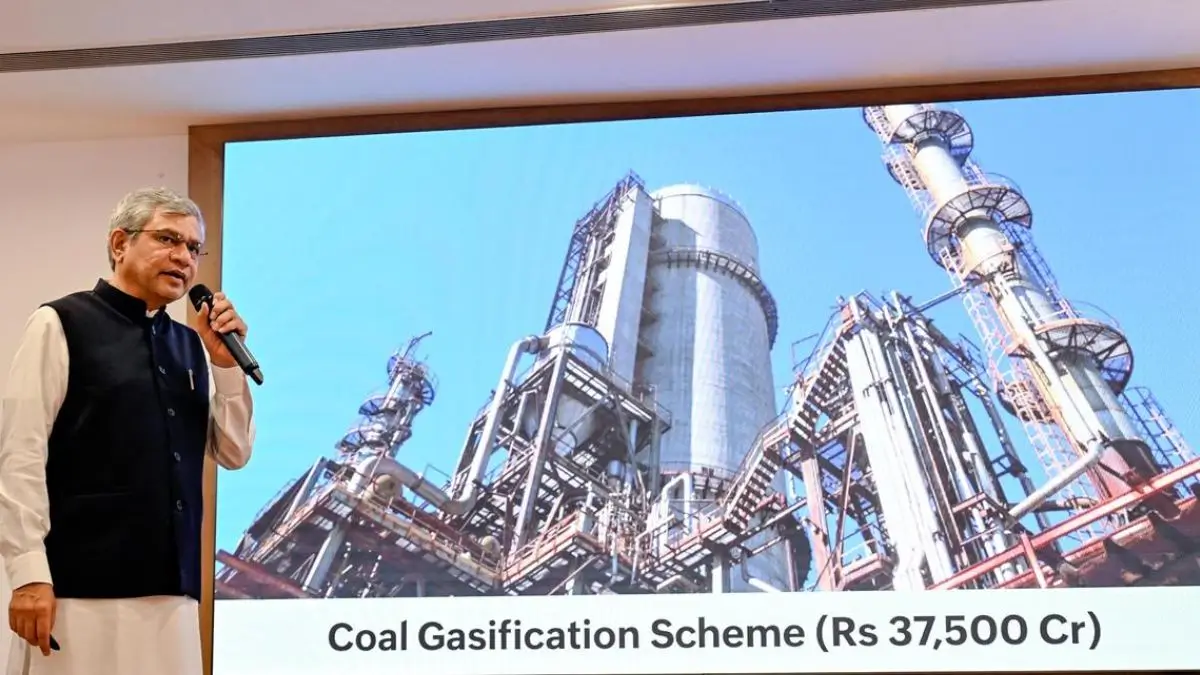
On May 13, 2026, the Union Cabinet, led by Prime Minister Narendra Modi, approved a substantial scheme aimed at converting coal into gas, with an estimated budget of Rs 37,500 crore. The initiative aims to gasify about 75 million tonnes of coal and lignite annually, with a longer-term objective of reaching 100 million tonnes by 2030. India’s vast reserves of coal, estimated at 401 billion tonnes and lignite at 47 billion tonnes, make this ambitious plan feasible.

The process of gasification is significant as it does not involve burning coal. Instead, it transforms coal into synthesis gas, or syngas, which can be utilised for diverse applications, including power generation and fertiliser production. This shift not only aims to reduce India’s reliance on imported liquefied natural gas (LNG) and piped natural gas (PNG) but also to substantially cut down the fertiliser import costs faced by the nation.

With the potential to produce ammonia and urea, syngas derived from domestic coal could dramatically alter India’s agricultural landscape and decrease the dependency on costly imports. The government anticipates that this transformation will contribute to energy security and bolster local agricultural practices.

Understanding the Coal Gasification Process

Coal gasification is a sophisticated process that differs significantly from traditional coal combustion. In gasification, coal is crushed and processed in a sealed reactor known as a gasifier. Here, a regulated supply of oxygen and steam is introduced at extremely high temperatures, ranging from 1,000 to 1,600 degrees Celsius. This carefully controlled environment prevents combustion while facilitating the release of gases.

As a result, the carbon atoms in the coal bond with oxygen and hydrogen from the steam, creating syngas, primarily composed of carbon monoxide and hydrogen. This syngas is versatile and can be transformed into various products, such as electricity, synthetic natural gas, and liquid fuels through further processing methods.

A key advantage of this approach is the ability to control the composition of syngas, tailoring it for specific uses, depending on industrial needs. For instance, syngas can be converted into methane using a process involving a methanation reactor, producing synthetic natural gas as a direct substitute for conventional LNG.

Challenges and Economic Implications of Indian Coal Gasification

The implementation of coal gasification in India faces certain challenges, primarily due to the high ash content found in Indian coal, often exceeding 30 per cent. This excess ash can clog gasifiers, hindering efficiency. To address this, researchers are developing fluidised-bed gasifiers that keep coal particles suspended in a stream of hot gas, preventing ash build-up and maintaining effective reactions.

In financial terms, India’s reliance on imports for products that syngas can replace is significant, with an estimated import bill of Rs 2.77 lakh crore for products such as LNG, ammonia, and methanol recorded in FY2025. Currently, India’s ammonia supply is almost entirely imported, with similar trends for methanol and LNG. Enhancing domestic gasification capacity is seen as a crucial step in mitigating exposure to volatile global markets.

The National Coal Gasification Mission, initiated in 2021, outlines a strategic approach towards energy independence, with this latest scheme building on previous initiatives to create numerous job opportunities and attract private investment. Although not without environmental concerns, this pragmatic approach reflects India’s ongoing reliance on coal as a transitional energy source while moving towards cleaner alternatives.

Long or Short, get news the way you like. No ads. No redirections. Download Newspin and Stay Alert, The CSR Journal Mobile app, for fast, crisp, clean updates!

App Store –  https://apps.apple.com/in/app/newspin/id6746449540 

Google Play Store – https://play.google.com/store/apps/details?id=com.inventifweb.newspin&pcampaignid=web_share

Latest News

Popular Videos
