


Indian Railways Approves First Indigenous Hydrogen Train on Jind-Sonipat Route
The CSR Journal Magazine

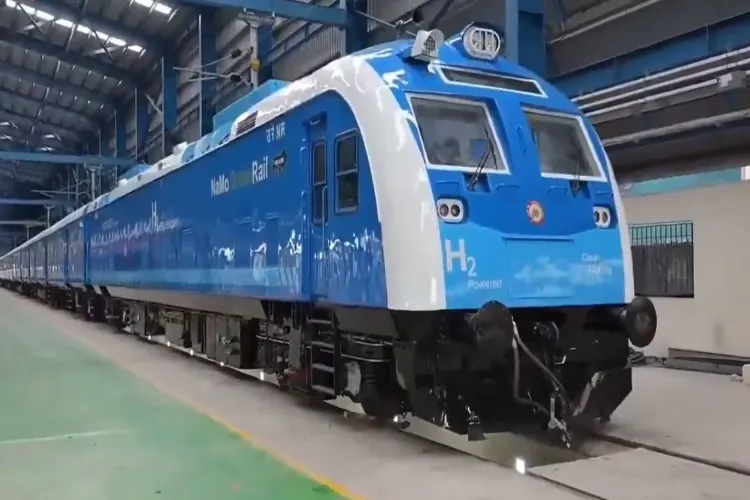
Indian Railways has recently approved a pioneering hydrogen-powered train service on the Jind-Sonipat route. This marks a significant step towards improving the sustainability of public transport in India. The initiative aims to reduce carbon emissions associated with traditional fossil fuel-powered trains, thereby promoting greener alternatives for mass transit.

The announcement is seen as part of a broader commitment to innovative transportation solutions. It aligns with global trends in reducing dependency on conventional fuel sources, highlighting the importance of shifting towards renewable energy solutions in the transportation sector.

Hydrogen fuel presents an attractive alternative as it emits only water vapour during operation, eliminating harmful pollutants. This initiative not only enhances the environmental credentials of Indian Railways but also can potentially offer significant operational savings in the long run.

Technical Aspects of the Hydrogen Train

The train being introduced on the Jind-Sonipat route is developed using advanced technology that emphasises both efficiency and safety. It will utilise hydrogen fuel cells to generate electricity, which powers the train. The design incorporates robust mechanisms to store hydrogen securely, ensuring safe travel for passengers.

Moreover, the train’s ability to operate on existing tracks without the need for extensive modifications positions it as a practical solution for the Indian railway network. This aspect not only reduces implementation costs but also simplifies the integration of new technology into the existing infrastructure.

Expected to boast a speed comparable to that of diesel trains, the hydrogen train represents a fusion of modern technology with traditional railway operations. Additionally, the operation is projected to be economically viable, ensuring that the service can be maintained without excessive financial burdens on the railway network.

Future Prospects and Expansions

The successful introduction of the hydrogen train on the Jind-Sonipat route may signal the beginning of a wider rollout of similar services across India. The potential for expanding hydrogen train services to other routes will depend on the outcomes observed in this initial phase. Continued investment in research and development is likely to enhance the capabilities and reach of hydrogen technologies in railway transport.

Furthermore, if the pilot project proves successful, it could lead to collaborations with international partners who have extensive experience in hydrogen technology. Such partnerships may accelerate the development and deployment of similar projects, positioning India as a leader in sustainable transport solutions in the region.

In conclusion, Indian Railways’ hydrogen train initiative could redefine the future of rail travel in India. As the nation grapples with climate change and the need for cleaner transportation methods, the ongoing developments in this sphere will be crucial. Stakeholders are watching closely to see how effectively this project addresses both environmental and operational challenges.

Long or Short, get news the way you like. No ads. No redirections. Download Newspin and Stay Alert, The CSR Journal Mobile app, for fast, crisp, clean updates!

App Store –  https://apps.apple.com/in/app/newspin/id6746449540 

Google Play Store – https://play.google.com/store/apps/details?id=com.inventifweb.newspin&pcampaignid=web_share

Latest News

Popular Videos
