


Bengaluru Startup Utilises Dogs and AI for Cancer Detection
The CSR Journal Magazine

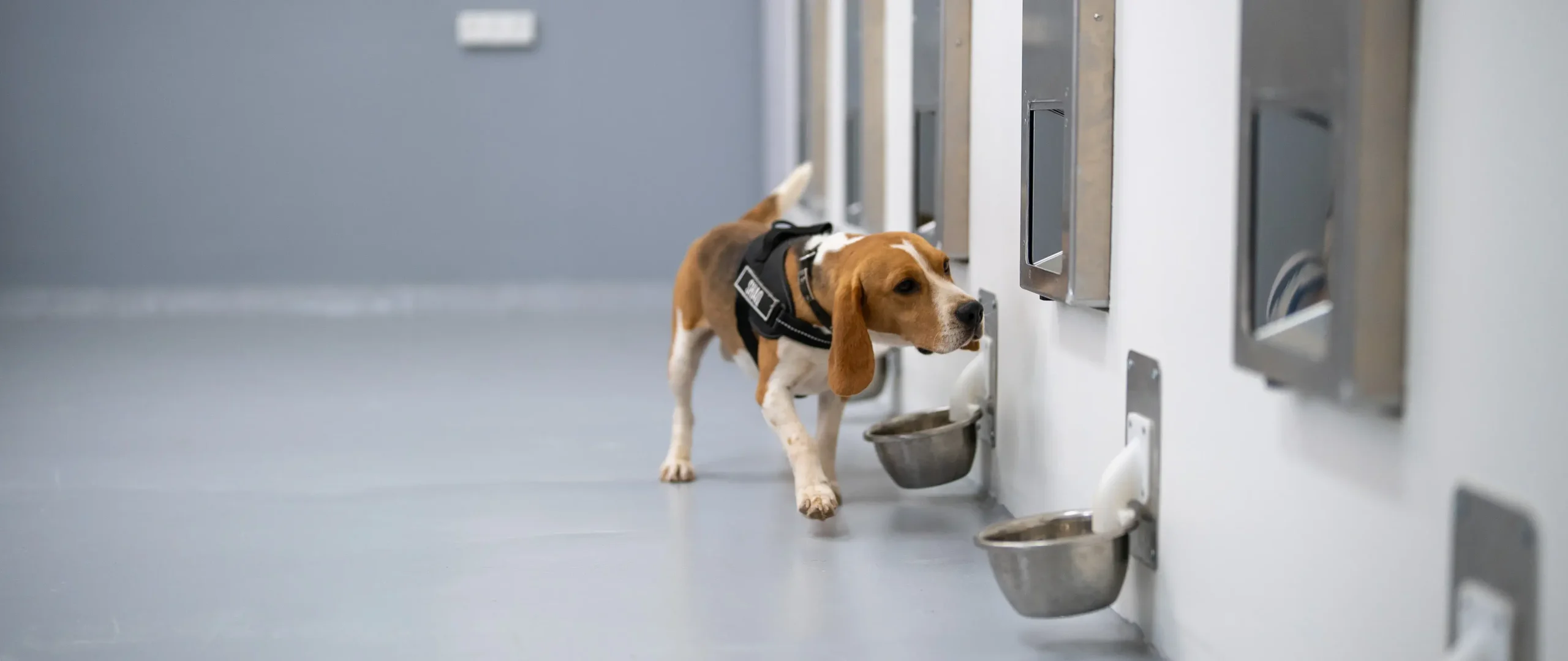
A Bengaluru-based startup is implementing an innovative strategy that combines trained dogs with artificial intelligence (AI) to detect cancer in its early stages. This method relies on analysing human breath samples and could revolutionise cancer screening by making it more efficient and affordable. Dognosis, the startup behind this initiative, aims to harness the exceptional olfactory capabilities of dogs alongside advanced AI techniques to pinpoint chemical compounds directly linked to cancer.

Oncology experts involved in the project have reported encouraging outcomes from initial trials. Dr Swaratika Majumdar, an oncologist, remarked on the project’s potential, describing it as a fascinating opportunity for early, cost-effective cancer detection. She noted that the method has demonstrated approximately 90 per cent sensitivity and specificity, indicating that the dogs can identify cancerous samples accurately in many instances.

The Detection Process Explained

The detection process begins with the collection of breath samples through specially designed face masks. These masks capture volatile organic compounds (VOCs) present in human breath, which can alter in correlation with the presence of diseases like cancer. After collection, the samples are transported to a laboratory where trained dogs assess them in a controlled environment equipped with various sensors and monitoring systems.

According to Akash Kulgod, CEO of Dognosis, the dogs have been meticulously trained to notice disease-specific VOC signals through their sense of smell. He emphasised that the masks contain essential VOCs, which are indicators of disease states. Once these samples reach the laboratory, the trained dogs evaluate them with high precision.

The dogs’ responses are tracked by sensors and relayed to AI algorithms that help standardise the detection process, transforming subjective canine behaviour into an objective scientific assessment. Suba, the Head of Research and Development at Dognosis, underlined the importance of uniformity in testing conditions, stating that consistent sample presentations are crucial for accurate outputs.

Impressive Trial Results and Future Implications

Dognosis claims that its Phase-2 trials, conducted over two years with nearly 1,500 participants, have yielded an affirmative accuracy rate of around 90 per cent. This result suggests a viable pathway for early cancer detection through breath analysis. Srishti, an office associate at Dognosis, highlighted that this finding not only supports the concept of breath-based cancer detection but also showcases India’s potential in developing impactful health technologies.

The startup has enlisted international trainers to help prepare the dogs involved in the detection process. One such trainer, Edo, expressed enthusiasm about the unique methodologies being employed in India, noting that the work being accomplished here is among the most pioneering in canine-assisted detection globally.

India faces a significant cancer burden, with numerous individuals diagnosed at advanced stages each year. Experts advocate that the integration of AI and biological detection methods could drastically enhance early cancer screening and timely treatment in the future. This innovative approach by Dognosis represents a promising frontier in the ongoing battle against cancer.

Long or Short, get news the way you like. No ads. No redirections. Download Newspin and Stay Alert, The CSR Journal Mobile app, for fast, crisp, clean updates!

App Store –  https://apps.apple.com/in/app/newspin/id6746449540 

Google Play Store – https://play.google.com/store/apps/details?id=com.inventifweb.newspin&pcampaignid=web_share

Latest News

Popular Videos
