


AIIMS Study Links Early Screen Time to Increased Autism Signs in Children
The CSR Journal Magazine

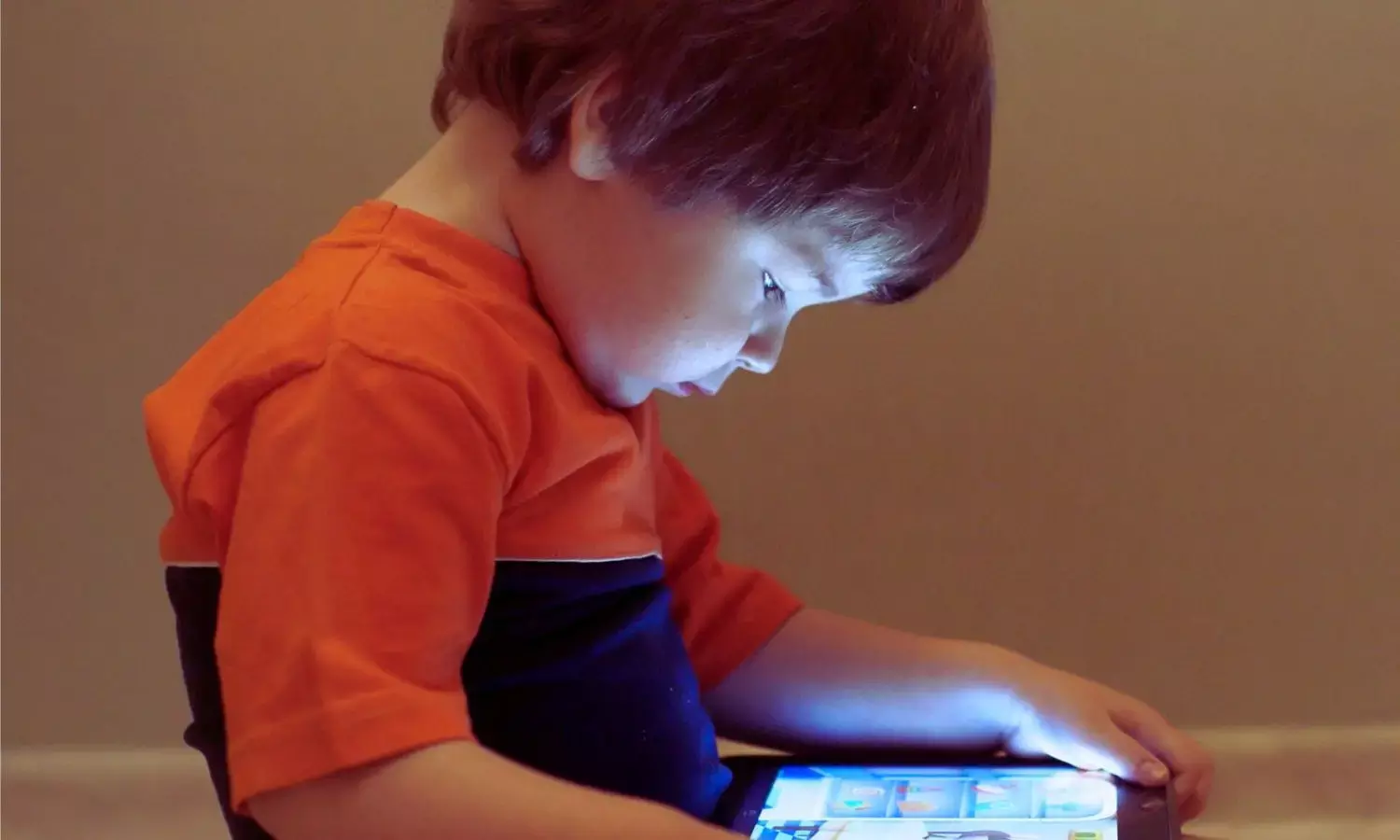
The All India Institute of Medical Sciences (AIIMS) in Delhi has unveiled findings that suggest an urgent counterpoint to the increasing digital exposure among infants in India. Their research indicates that children who spend more time in front of screens before reaching one year of age have a higher probability of exhibiting signs of autism spectrum disorder by the age of three. The study strongly advises against screen exposure for children under 18 months.

This revelation comes as autism diagnoses are on the rise globally. According to the US Centers for Disease Control and Prevention (CDC), one in every 31 children is now diagnosed with autism, while the World Health Organisation estimates a figure closer to one in 100 children worldwide. The statistics underscore the reality of families navigating the complexities associated with this developmental condition.

At AIIMS, over 2,000 children diagnosed with autism have undergone evaluation, revealing that approximately 80 per cent face additional challenges. These complications can include epilepsy, attention deficits, sleep disturbances, and behavioural issues. Such hurdles not only impact the lives of the children but also impose significant stress on their caregivers.

Understanding Autism Spectrum Disorder

In elaborating on the characteristics of autism, Dr. Shefali Gulati, who leads the Child Neurology Division in the Department of Paediatrics at AIIMS, describes autism spectrum disorder as a neurodevelopmental condition that affects social interactions and communication. She notes that symptoms can emerge early in life, sometimes within the first year, and often manifest as repetitive behaviours and limited interests.

Dr. Gulati explains that children with autism may interact with toys in non-typical ways and focus exclusively on specific elements rather than engaging in typical play. The term “spectrum” is pertinent here, as it signifies that every child’s experience with autism can differ significantly, not only in the behaviours displayed but also in the intensity of those behaviours.

In terms of why early years are crucial, Dr. Gulati emphasises the fundamental interactions that occur during early childhood, such as eye contact and responsive communication, which are essential for brain development. She highlights that increased screen time replaces these vital interactions, which can have lasting impacts.

The Importance of Early Detection and Parental Awareness

The research suggests a connection between screen exposure and autism features, stating that children with autism typically experience earlier and prolonged screen time. Dr. Gulati asserts that the first 1,000 days of a child’s life—from pregnancy through the first three years—are imperative for optimal brain development and early identification of autism, which can lead to improved intervention outcomes.

Parents are encouraged to be vigilant for early indicators such as reduced eye contact, failure to respond to their name, delayed speech, or regression in previously acquired skills. Consistent observation of these signs warrants prompt attention.

According to Dr. Gulati, the causes of autism are multifaceted, involving genetic, environmental, and lifestyle components. She also addresses the ongoing public concern that associates vaccines with autism and clarifies that extensive research has refuted any connection between the two.

As screens might appear to be a convenient option for parents with demanding routines, the findings from AIIMS underscore the need for prioritising meaningful human interactions in a child’s early years. Enhanced focus on early detection, timely intervention, and nurturing everyday choices can more positively influence a child’s development and overall wellbeing.

Long or Short, get news the way you like. No ads. No redirections. Download Newspin and Stay Alert, The CSR Journal Mobile app, for fast, crisp, clean updates!

App Store –  https://apps.apple.com/in/app/newspin/id6746449540 

Google Play Store – https://play.google.com/store/apps/details?id=com.inventifweb.newspin&pcampaignid=web_share

Latest News

Popular Videos
