


AIIMS Reports Increasing Obesity and PCOS in Adolescents
The CSR Journal Magazine

According to a recent study by the All India Institute of Medical Sciences (AIIMS) in New Delhi, there is a significant increase in obesity and lifestyle-related health issues, particularly Polycystic Ovary Syndrome (PCOS), among adolescent girls. The investigation highlights an urgent need for heightened awareness concerning nutrition, physical exercise, and the importance of digital well-being.

Professor Rajni Sharma, a specialist in Pediatric Endocrinology at AIIMS, has been leading this research in partnership with the NGO Society of Endocrine Health in Elderly, Adolescent, and Children. This initiative has involved screening students across various schools for metabolic disorders, nutritional issues, and PCOS-related complications.

Over the course of the study, which has been ongoing for three years, the team has made numerous school visits to conduct screenings. They have also invited those identified with issues for further evaluation at the institute. Professor Sharma expressed concern about the alarming rates of obesity, noting that in private schools, between 40 per cent and 45 per cent of girls are categorised as obese or overweight, while in government schools, the prevalence is approximately 15 per cent.

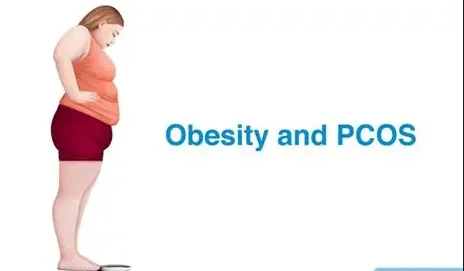
Obesity and PCOS on the Rise

Sharma further explained that the increase in lifestyle-related obesity is alarming, as it has also been correlated with numerous cases of irregular menstrual cycles in adolescents. The data collected so far indicates that PCOS is becoming increasingly common among this demographic, raising questions about long-term health outcomes.

Moreover, the implications of such findings are profound, as obesity and PCOS can lead to other severe health issues if left unaddressed. The institute is committed to continuing this study in a bid to gather more comprehensive data and facilitate early interventions for the affected individuals.

In addition, Renu Sharma, a Child Psychologist within AIIMS’s Department of Psychiatry, has pinpointed excessive screen time and social media engagement as major contributors to deteriorating health among children. She emphasised the need for parents to monitor their children’s screen usage, especially as adolescents often become overly engaged with their devices.

Addressing Screen Time and Its Effects

Renu Sharma stated that modern children devote an excessive amount of time to social platforms, chatting applications like WhatsApp, and gaming. This lifestyle fundamentally affects their mental and physical health, she argued, linking it to rising levels of stress and behavioural issues that correlate with an increased risk of PCOS.

To combat these problems, she suggested that parents should impose time limitations on their children’s screen activities. Awareness about appropriate screen time is essential to promote healthy development and mitigate potential health risks. The concept of digital well-being ought to become a priority for families navigating the challenges posed by the pervasive nature of technology today.

In summary, the recent findings from AIIMS undeniably point to an urgent need for public health initiatives aimed at educating both parents and adolescents about the significance of nutrition, physical activity, and regulated screen time in fostering a healthier lifestyle. Without such measures, the rising trend of obesity and PCOS could escalate further, complicating health outcomes for younger generations.

Long or Short, get news the way you like. No ads. No redirections. Download Newspin and Stay Alert, The CSR Journal Mobile app, for fast, crisp, clean updates!

App Store –  https://apps.apple.com/in/app/newspin/id6746449540 

Google Play Store – https://play.google.com/store/apps/details?id=com.inventifweb.newspin&pcampaignid=web_share

Latest News

Popular Videos
