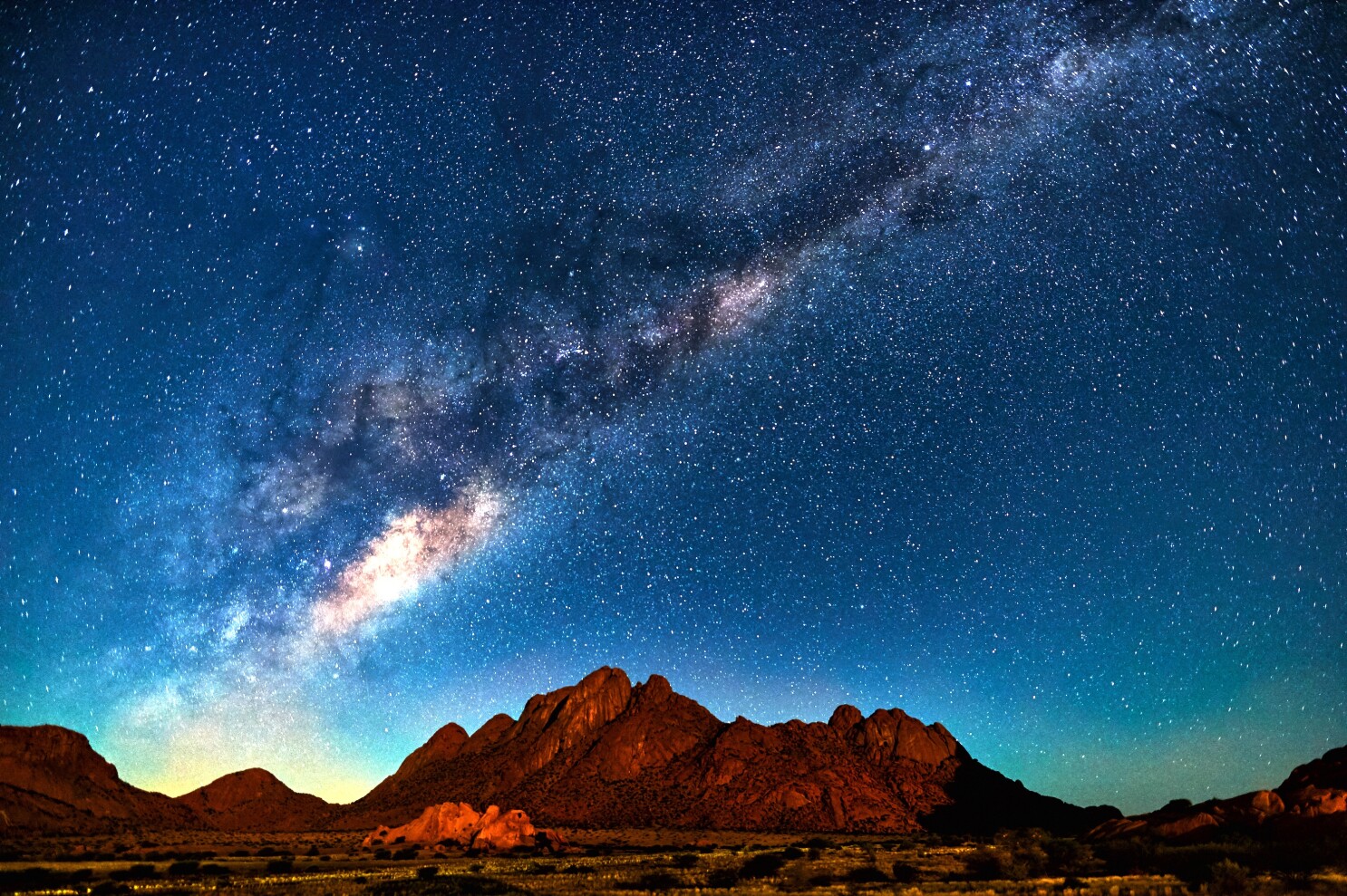
The ten selected regions around the globe are renowned for their minimal light pollution, offering astonishing views of celestial bodies. Such locations are ideal for stargazers and astrophotographers seeking clarity and beauty in the night sky. By escaping urban lights, enthusiasts can witness the Milky Way and various planets in remarkable detail.
Among these zones, the Atacama Desert in Chile stands out, being one of the driest locations on Earth. It boasts high altitudes and a crystal-clear atmosphere, making it a favourite for astronomers. The arid conditions contribute significantly to its distinguishing feature of well-preserved telescopes and observatories that attract researchers from around the world.
Another significant site is Mauna Kea in Hawaii. This dormant volcano serves as an important astronomical observatory due to its elevation and isolation from city lights. Its summit houses numerous observatories and offers visitors the chance to observe the sky with clarity, particularly during clear nights.
Importance of Dark Skies for Astronomy
Dark skies are crucial for astronomical observations as they allow stargazers to see fainter stars and celestial phenomena. The absence of artificial light helps enhance contrasts, thereby enabling better visibility of cosmic events such as meteor showers and planetary alignments. These properties make the chosen regions particularly notable for both amateur and professional astronomers.
It is not only the professional community that benefits from these dark regions; amateur astronomers and the general public can engage in stargazing activities, often participating in organised events and workshops. In many locations, local organisations have developed programmes aimed at educating visitors about constellations and astrophysical concepts, enriching their experience of the night sky.
Astrophotography enthusiasts also find these regions appealing for capturing breathtaking images of the cosmos. The clear air, coupled with the lack of obtrusive light, allows for stunning imagery of celestial phenomena and contributes greatly to enhancing the quality of photographs taken at these sites.
Conservation Efforts and Visitor Guidelines
Visitors are encouraged to adhere to guidelines when travelling to these locations. Basic practices such as maintaining silence, reducing light exposure, and respecting local wildlife are emphasised to enhance the stargazing experience for all. Some sites offer guided tours that help visitors appreciate the significance of maintaining a dark sky, facilitating a deeper understanding of the universe.
In conclusion, these ten locations provide excellent opportunities for astronomy enthusiasts to marvel at the wonders of the universe. Their unique characteristics, combined with ongoing conservation efforts, ensure that future generations will have the chance to gaze upon the stars and explore the vastness of space in all its glory.
Long or Short, get news the way you like. No ads. No redirections. Download Newspin and Stay Alert, The CSR Journal Mobile app, for fast, crisp, clean updates!