


WB CM pushes to fast-track stalled central projects, orders monthly Delhi visits by state secretaries

The CSR Journal Magazine

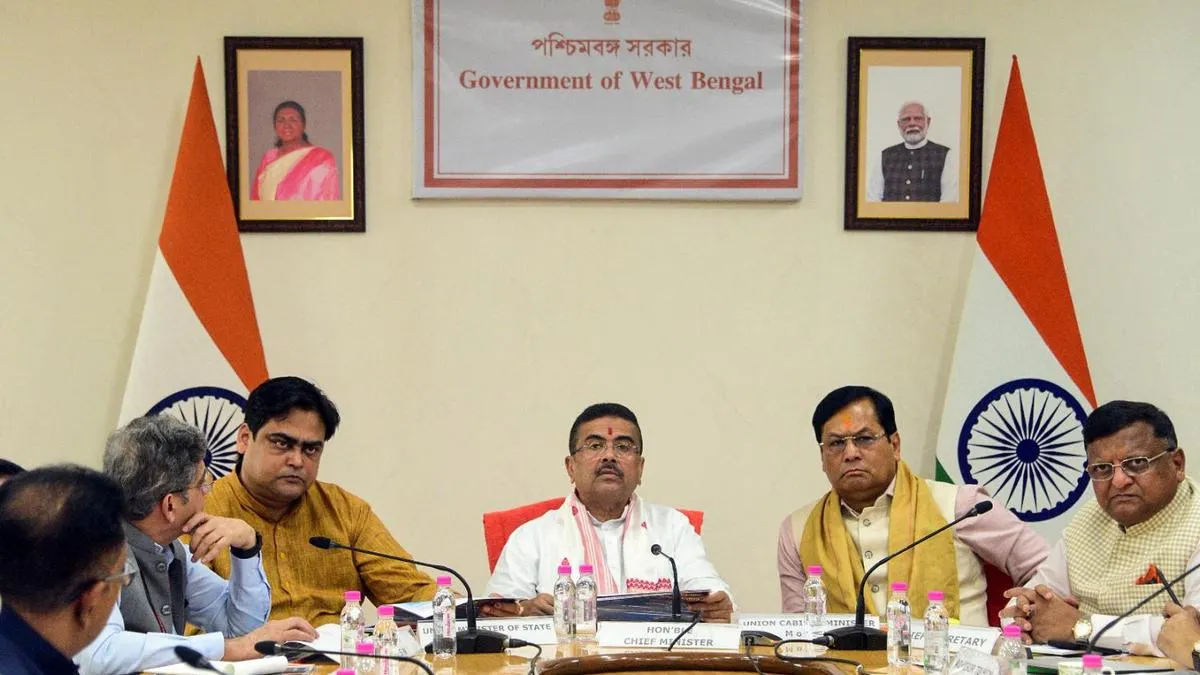
In a bid to accelerate the implementation of stalled central government projects in West Bengal, Chief Minister Suvendu Adhikari has directed departmental secretaries to visit New Delhi at least once a month and hold direct discussions with senior officials of the respective Union ministries.

The initiative marks a shift in the state government’s administrative approach, with the Chief Minister emphasising face-to-face coordination over the conventional practice of exchanging official letters and emails between Nabanna, the state secretariat, and the Centre.

According to sources in the state administration, secretaries may be required to travel to Delhi twice a month if necessary to resolve pending issues and ensure that development projects do not remain stalled because of procedural complications.

Sources said the Chief Minister has made it clear that merely sending letters or emails to central ministries cannot be considered sufficient administrative action when projects remain delayed.

Instead, secretaries of departments handling centrally sponsored schemes and other central projects have been instructed to establish regular communication with their counterparts in Delhi.

During these meetings, officials will review the status of pending projects, identify obstacles related to fund allocation and administrative approvals, and explore ways to resolve them without further delay.

The objective, according to officials, is to ensure that problems are addressed through direct intervention rather than prolonged exchanges of files and correspondence.

Funding delays and pending approvals under scrutiny

Several central government projects in West Bengal have reportedly encountered difficulties over the release of funds, regulatory approvals and procedural requirements.

Administrative sources indicated that differences between the Centre and the State over project conditions and financial allocations have contributed to delays in implementation.

A section of the administration believes that repeatedly blaming the Centre for stalled projects serves little purpose unless the concerned departments take concrete steps to resolve outstanding issues.

A senior administrative official observed that effective coordination between the two governments is essential for implementing central projects and completing administrative work involving central agencies.

Regular meetings, continuous communication and timely intervention, the official suggested, could help overcome obstacles that routine correspondence has failed to address.

Secretaries to be held accountable for progress

The Chief Minister’s directive also places greater responsibility on departmental secretaries to monitor the outcome of their meetings with central officials.

Their responsibilities will extend beyond visiting Delhi and discussing pending matters. They will also be expected to track decisions taken by the ministries, follow up on unresolved issues and assess whether the discussions have resulted in measurable progress.

Where necessary, additional meetings must be arranged to ensure that projects do not remain trapped in administrative procedures.

Sources said the underlying message is that departmental heads cannot evade responsibility by merely forwarding files or citing delays at the central level.

Instead, they must identify the precise reasons behind stalled projects and take proactive measures to remove the obstacles.

Bid to end bureaucratic delays and file-pushing culture

Administrative circles view the initiative as an attempt to address the long-standing culture of bureaucratic delays and shifting responsibility within the state machinery.

From the days of Mahakaran, the former state secretariat, to the present administration at Nabanna, delays in processing files and obtaining necessary clearances have frequently drawn criticism.

The latest directive seeks to replace this approach with greater accountability and result-oriented coordination.

Officials believe that regular engagement with central ministries could help identify procedural deficiencies at an early stage and prevent projects from remaining stalled indefinitely.

The emphasis is also on ensuring that secretaries take ownership of issues falling within their departments rather than allowing administrative complications to accumulate.

Centre-state coordination key to success

Despite the state government’s renewed push, the success of the initiative will depend considerably on the response of the central ministries.

While direct discussions may help identify problems and expedite decision-making, the actual implementation of projects will still require timely release of funds, necessary approvals and compliance with prescribed conditions.

Administrative observers point out that coordination must work both ways, with the Centre and the State demonstrating a willingness to resolve outstanding differences.

The Chief Minister’s directive is expected to introduce closer monitoring of central projects and greater accountability among senior bureaucrats.

However, the effectiveness of the new approach will ultimately be judged by how quickly long-pending projects move forward and whether their benefits reach the people of West Bengal.

For now, the message from Nabanna is clear: departmental secretaries must move beyond paperwork, engage directly with Delhi and take responsibility for delivering results.

Long or Short, get news the way you like. No ads. No redirections. Download Newspin and Stay Alert, The CSR Journal Mobile app, for fast, crisp, clean updates!

App Store – https://apps.apple.com/in/app/newspin/id6746449540

Google Play Store – https://play.google.com/store/apps/details?id=com.inventifweb.newspin&pcampaignid=web_share

Latest News

Popular Videos