


Skincare Ingredients Decoded: Understanding Niacinamide, Salicylic Acid, and Alpha Arbutin
The CSR Journal Magazine

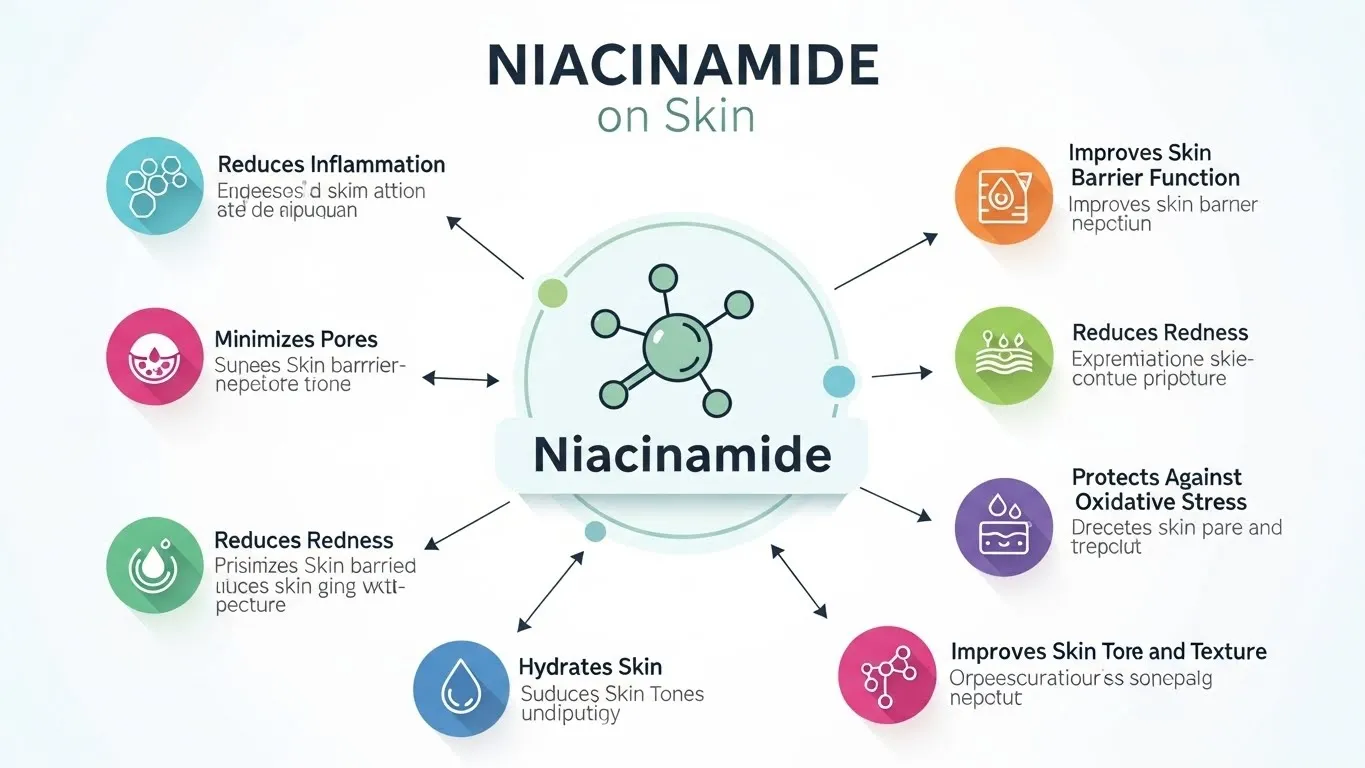
The headline highlights the significance of niacinamide, a water-soluble form of vitamin B3, in skincare. Dr Shallu Kapiil, an aesthetic physician and founder of Skinique, notes that niacinamide is suitable for various skin types. This ingredient is recognised for its ability to support the skin barrier and regulate excess oil production. Furthermore, it improves the appearance of uneven skin tone, making it a versatile choice for many individuals.

One of the primary advantages of niacinamide is its effectiveness in reducing dark spots and pigmentation over time. Its anti-inflammatory properties can calm the skin, alleviating visible redness and irritation. Regular use of niacinamide may lead to a smoother complexion and a more balanced skin appearance, enhancing overall skin health.

Dr Kapiil advises that niacinamide can be integrated into both morning and evening skincare routines. It pairs well with other ingredients, such as hyaluronic acid, which provides hydration. However, it is essential to consider the overall formulation and the skin’s tolerance when combining it with other active ingredients.

Salicylic Acid and Its Benefits

Salicylic acid, classified as a beta-hydroxy acid (BHA), is renowned for its ability to penetrate oily skin and unclog pores. This characteristic makes it particularly beneficial for individuals with oily or acne-prone skin, where excess sebum and dead skin cells can lead to blackheads, whiteheads, and breakouts. By exfoliating within the pores, salicylic acid helps reduce congestion and enhances the appearance of uneven skin texture.

Additionally, salicylic acid is effective in managing excess oil and is often included in products targeting keratosis pilaris, a condition that results in small, rough bumps on the skin. Dr Kapiil emphasises that the concentration and frequency of use should be tailored to the specific product formulation and individual skin tolerance. For those new to salicylic acid, a gradual introduction is recommended to avoid potential overuse, which can lead to dryness and irritation.

Overusing salicylic acid may disrupt the skin barrier, highlighting the importance of monitoring skin response. Individuals should be cautious and follow the product guidelines to achieve the desired results without adverse effects.

Exploring Alpha Arbutin

Alpha arbutin is recognised as a skin-brightening ingredient that addresses concerns related to dark spots, post-acne marks, and uneven pigmentation. Dr Kapiil explains that alpha arbutin functions by inhibiting tyrosinase, an enzyme responsible for melanin production, thereby helping to reduce excess pigmentation over time. This makes it a valuable component in skincare routines aimed at achieving a more uniform skin tone.

Unlike exfoliating ingredients that remove dead skin cells, alpha arbutin targets the processes involved in pigment formation. Regular application of this ingredient may lead to a more even skin tone and diminish the visibility of dark marks. It can typically be used in either morning or evening routines, depending on the specific product instructions and the overall skincare regimen.

Dr Kapiil clarifies that while these ingredients can be combined in a skincare routine, the choice should be based on individual skin concerns. Users may introduce products gradually and monitor their skin’s response to minimise irritation. This approach allows for a tailored skincare experience that addresses specific issues effectively.

Long or Short, get news the way you like. No ads. No redirections. Download Newspin and Stay Alert, The CSR Journal Mobile app, for fast, crisp, clean updates!

App Store – https://apps.apple.com/in/app/newspin/id6746449540

Google Play Store – https://play.google.com/store/apps/details?id=com.inventifweb.newspin&pcampaignid=web_share

Latest News

Popular Videos
