


Indian-Origin Surgeon Conducts First Robotic Telesurgery in the US
The CSR Journal Magazine

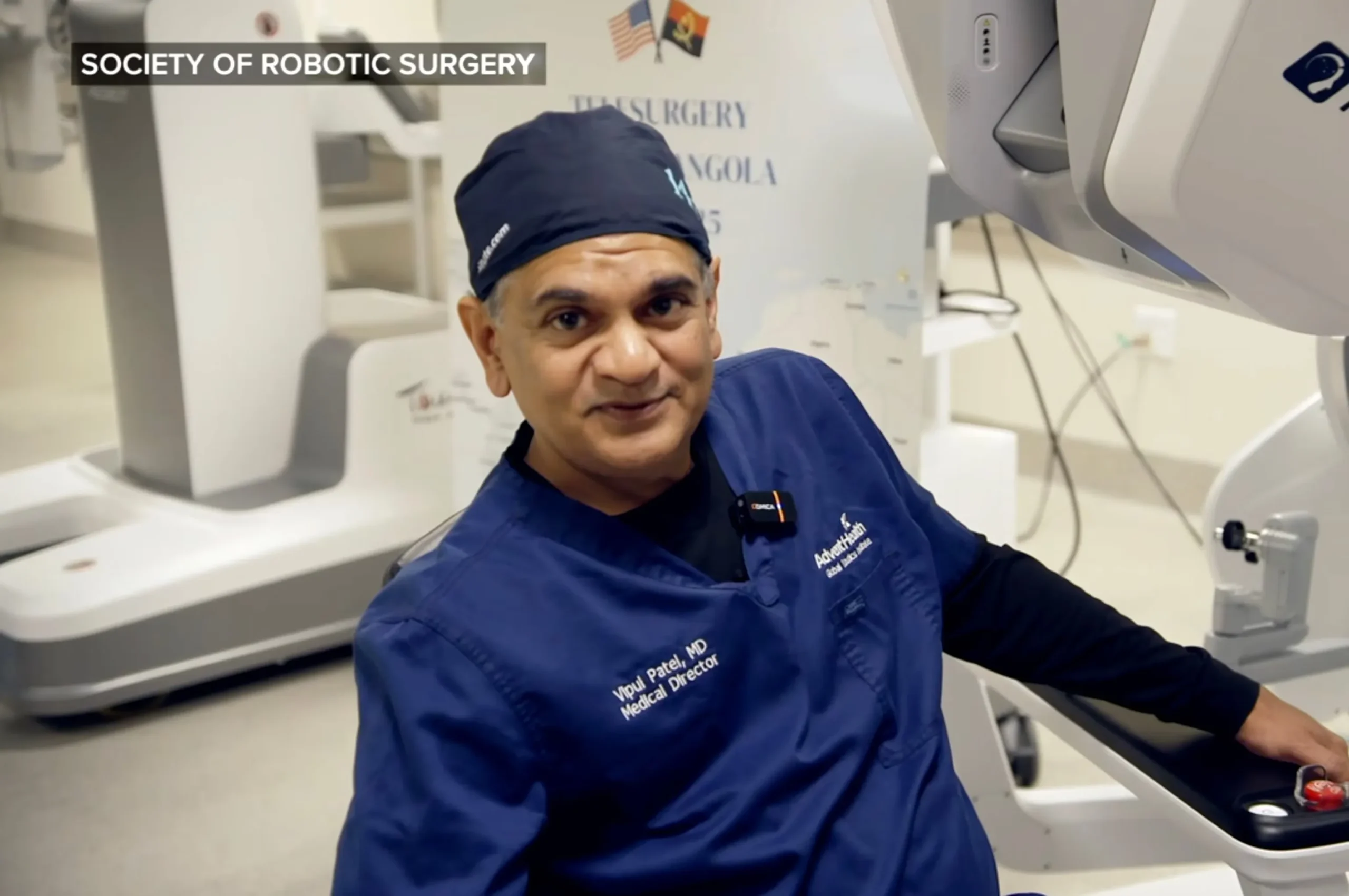
An Indian-origin surgeon has made history by successfully removing a cancer patient’s prostate while operating from a distance of 35 miles (56 kilometres) in Florida. This groundbreaking event is reportedly the first robotic telesurgery conducted between two hospitals in the United States. The procedure took place on October 25, with Dr Vipul Patel performing the surgery from AdventHealth Celebration, while the patient, a 66-year-old man named Mark, was situated in the operating theatre at AdventHealth Minneola.

The operation is part of a clinical study aimed at determining whether complex surgical procedures can be performed safely without the surgeon being physically present. This innovative approach could potentially transform access to specialised healthcare for patients in remote areas.

Innovative Technology Used in the Procedure

Dr Patel, who is the founder and medical director of AdventHealth’s Global Robotics Institute, utilised advanced robotic surgical instruments to perform the prostatectomy. This procedure involves the removal of the prostate gland and was executed using the investigational Toumai robotic system developed by MicroPort MedBot. A surgical team, led by Dr Marcio Moschovas, was present at the Minneola hospital to assist the patient and intervene if necessary.

Following the surgery, AdventHealth reported that the patient is recovering well. Dr Patel has an extensive background in robotic surgeries, having previously conducted over 21,000 robotic prostatectomies. This experience contributes to the confidence in the safety and effectiveness of the telesurgery approach.

The operation marks a significant advancement in the field of telesurgery, following a series of investigational procedures conducted between Orlando and Luanda, Angola. The study is designed to evaluate the feasibility of performing surgeries remotely and aims to reduce geographical barriers to specialised medical care.

Regulatory Framework and Future Implications

The Florida telesurgery was carried out under an investigational device exemption granted by the US Food and Drug Administration (FDA). This exemption allows researchers to study the technology’s safety and effectiveness, although it does not signify that the system has received FDA approval for clinical use. The ongoing research focuses on various aspects, including network reliability and cybersecurity, which are crucial for the success of remote operations.

While the potential for telesurgery is promising, it also presents unique challenges. In addition to the typical risks associated with prostate surgery, remote operations may encounter connection failures or equipment malfunctions. Therefore, having a trained medical team at the patient’s side is essential to manage any unforeseen complications.

In a related milestone, Professor Prokar Dasgupta performed a similar robotic surgery from London on a patient located in Gibraltar, approximately 1,500 miles away. This operation demonstrated a remarkably low delay of just 0.06 seconds between the surgeon’s commands and the robot’s actions, showcasing the capabilities of modern robotic technology.

AdventHealth has emphasised that the Florida procedure is part of an ongoing investigation and cannot independently establish the broader safety or effectiveness of the technology. As research continues, the implications of telesurgery could lead to significant changes in how specialised medical care is delivered across different regions.

Long or Short, get news the way you like. No ads. No redirections. Download Newspin and Stay Alert, The CSR Journal Mobile app, for fast, crisp, clean updates!

App Store – https://apps.apple.com/in/app/newspin/id6746449540

Google Play Store – https://play.google.com/store/apps/details?id=com.inventifweb.newspin&pcampaignid=web_share

Latest News

Popular Videos
