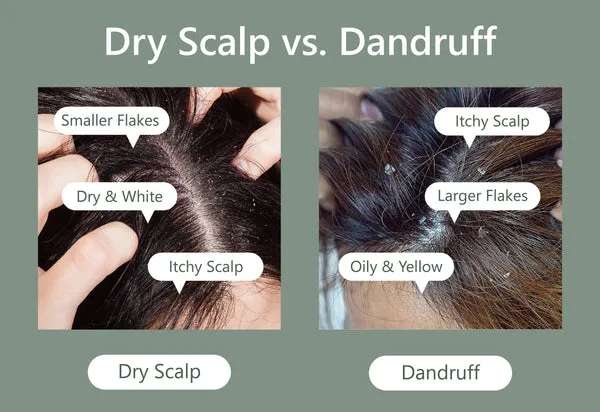
Understanding Dry Scalp and Dandruff

The CSR Journal Magazine

During winter, many individuals experience issues such as a flaky scalp, itchiness, and dryness. Often, these symptoms are mistakenly attributed to dandruff, leading to the use of anti-dandruff shampoos as a remedy. However, dry scalp and dandruff are distinct conditions that require different treatment approaches. Misidentifying the issue can exacerbate irritation and prolong discomfort. Dr Hina Kukreja, founder and medical director at Zurie Skin Clinic, emphasised the importance of recognising these differences to avoid inappropriate hair care routines.

According to Dr Kukreja, dry scalp occurs when the skin loses moisture due to factors such as cold weather, dry air, frequent hot showers, or daily washing with harsh shampoos. Symptoms of dry scalp may include small, dry, white flakes and a tight, uncomfortable sensation. In contrast, dandruff arises when the scalp reacts to a common fungus known as Malassezia, leading to a different set of symptoms.

Precautions for Treating Dandruff and Dry Scalp

When addressing a flaky scalp, it is crucial to avoid certain practices that may worsen the condition. For instance, excessive application of oil can aggravate irritation for some individuals, potentially exacerbating seborrhoeic dermatitis, which is characterised by redness, itching, and flaky skin. Dr Kukreja noted that components found in anti-dandruff shampoos, such as zinc pyrithione, ketoconazole, and selenium sulfide, are effective for controlling dandruff and reducing scales. However, using these products on an already dry or irritated scalp can intensify discomfort.

Proper hair care practices during winter are essential to prevent worsening scalp conditions. Washing hair with hot water, vigorous scrubbing, frequently changing shampoos, and leaving shampoo on the scalp can all contribute to increased dryness. It is advisable to use warm water instead of hot, opt for mild shampoos when dryness is a concern, and refrain from scratching or forcefully removing flakes. Individuals with dandruff should consult a doctor before using medicated shampoos and avoid washing hair excessively without understanding the underlying issue.

It is important to note that a flaky scalp does not automatically indicate dryness or dandruff. Both conditions necessitate different treatment strategies. Treating them similarly can lead to complications such as redness, thick plaques, and heightened inflammation. Symptoms extending beyond the hairline may also suggest other conditions like psoriasis, eczema, or contact dermatitis. If symptoms persist despite treatment, or if there is pain, crusting, or minimal hair loss, a consultation with a dermatologist is advisable.

Importance of Professional Evaluation

The primary goal in managing scalp conditions is not merely to eliminate dandruff but to understand the underlying causes. Dr Kukreja highlighted that products designed for dandruff may not be suitable for dry scalp and could worsen irritation, particularly in winter. Seeking professional advice is vital for appropriate diagnosis and treatment.

Individuals experiencing persistent scalp issues should prioritise understanding their specific condition rather than relying on generic treatments. This approach can lead to more effective management and relief from symptoms. The information provided in this article serves as a guide and should not replace professional medical advice. It is essential to consult a healthcare provider for any concerns regarding scalp health.

Long or Short, get news the way you like. No ads. No redirections. Download Newspin and Stay Alert, The CSR Journal Mobile app, for fast, crisp, clean updates!

App Store – https://apps.apple.com/in/app/newspin/id6746449540

Google Play Store – https://play.google.com/store/apps/details?id=com.inventifweb.newspin&pcampaignid=web_share

Latest News

Popular Videos