


Using Air Conditioning During Rain: Key Considerations and Advice
The CSR Journal Magazine

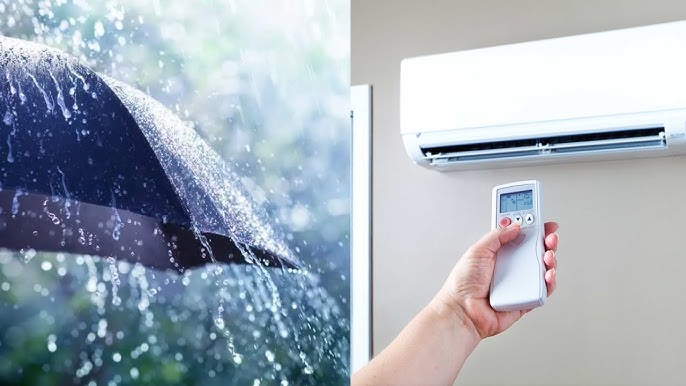
Using air conditioning (AC) during rainy periods is a topic that often generates varied opinions. Many individuals ponder whether running an AC in humid, rainy conditions is beneficial or harmful. A key reason for employing AC during rain is to manage indoor humidity levels, which tend to rise significantly due to external weather conditions.

Humidity can adversely affect indoor air quality, potentially leading to discomfort and health issues. Running an AC can help absorb excess moisture from the air, thus maintaining a more comfortable living environment. This becomes particularly important for those who suffer from respiratory problems, as high humidity can exacerbate their condition.

Effects of Rain on Air Conditioning Systems

Rain may impact air conditioning systems in various ways. While modern AC units are designed to withstand different weather conditions, excessive moisture can occasionally lead to operational challenges. For instance, outdoor units can collect rainwater, which may affect their efficiency over time.

However, most air conditioning systems come equipped with drainage systems to handle water accumulation. Regular maintenance is essential to ensure that these components function properly. Users are advised to inspect their units for any signs of wear or potential blockage in drainage, especially after heavy rainfall. Proper upkeep can significantly enhance the lifespan of the AC unit.

Another consideration is the electrical components of the unit. Water exposure during rainfall may lead to malfunction, which raises concerns about safety. It is essential for homeowners to have their systems checked periodically to ensure that all electrical junctions are adequately protected and functioning as intended.

Practical Advice for Using AC During Rainy Weather

Individuals contemplating the use of air conditioning during rainy weather should consider a few practical guidelines. First, monitoring the indoor humidity level can help in determining the necessity of running the AC. If humidity rises above a comfortable threshold, activating the unit can provide relief.

Secondly, setting the AC to a ‘dry’ mode can be an effective approach during rain. This mode focuses on removing humidity without excessively cooling the room, thus striking a balance between comfort and energy consumption. Users should also be mindful of energy efficiency, ensuring that they do not over-rely on the system when natural ventilation might suffice.

Lastly, alternative methods of reducing indoor humidity, such as using dehumidifiers or improving natural airflow, can also be beneficial. Keeping windows or doors closed during rainfall is a simple yet effective way to manage wet conditions inside the home. Balancing the use of different techniques can lead to a more comfortable indoor atmosphere while maintaining adequate air quality.

In summary, the decision to use air conditioning during the rain hinges on individual circumstances, including comfort preferences and humidity levels. By adhering to maintenance protocols and employing practical strategies, homeowners can effectively manage indoor conditions without compromising their air conditioning systems.

Long or Short, get news the way you like. No ads. No redirections. Download Newspin and Stay Alert, The CSR Journal Mobile app, for fast, crisp, clean updates!

App Store –  https://apps.apple.com/in/app/newspin/id6746449540 

Google Play Store – https://play.google.com/store/apps/details?id=com.inventifweb.newspin&pcampaignid=web_share

Latest News

Popular Videos
