


US Intelligence Report Flags Security Risks in India-Pakistan Ties
The CSR Journal Magazine

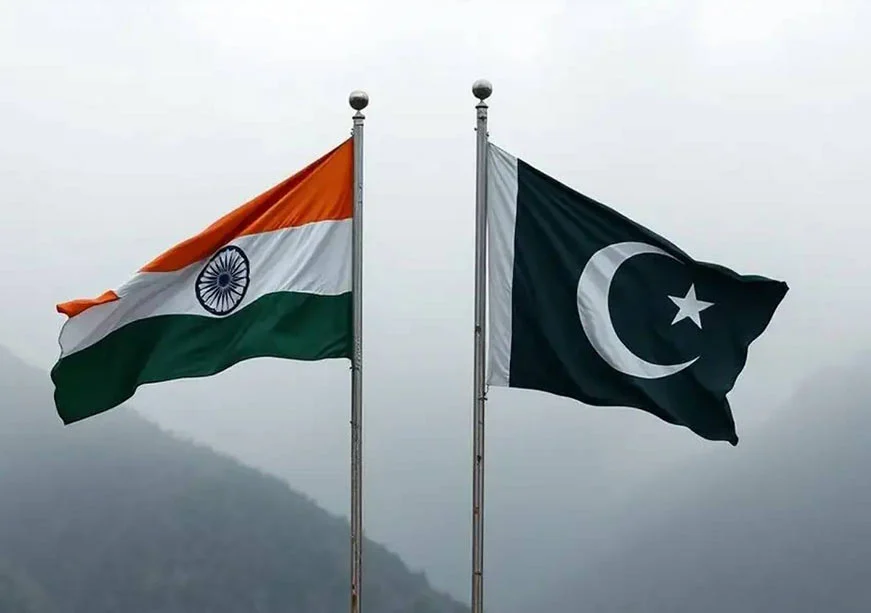
The Annual Threat Assessment from the United States Intelligence Community indicated that President Donald Trump’s diplomatic efforts played a role in reducing nuclear tensions between India and Pakistan. However, the report emphasized that both nations remain susceptible to continued security threats from terrorist organizations that can act as triggers for conflict. Despite this, it appears that neither India nor Pakistan is inclined to engage in open warfare once more. The findings underscore that relations between the two nuclear-armed neighbors remain a key concern due to their historical conflicts.

The assessment specifically referenced a terrorist attack that occurred near Pahalgam in Jammu and Kashmir last year, suggesting it exemplified the risks associated with terrorist activities that could incite widespread hostilities. The report stated, “President Trump’s intervention de-escalated the most recent nuclear tensions, but conditions prevail for terrorist actors to initiate crises.” These insights reflect the perpetual instability in the region, particularly linked to the activities of various extremist groups.

Regional Terrorism Landscape

On the topic of regional terrorism, the assessment highlighted that ISIS-K continues to maintain a presence in South Asia, with aspirations to execute attacks beyond its local area. Additionally, it noted that the Taliban has been taking significant actions against ISIS-K, likely thwarting some planned assaults. However, the report characterized the relationship between Pakistan and the Taliban as increasingly strained, marked by recent cross-border skirmishes and military confrontations. The ongoing fighting emphasizes the challenges in achieving lasting tranquility in the region.

Concerns Over Pakistan’s Missile Capabilities

Further discussions in the report revolved around the development of missile technology in Pakistan. It asserted that the nation is advancing towards more sophisticated missile systems that could potentially strike targets well beyond South Asia. This progression in capabilities raises alarms regarding regional security and the balance of power among neighboring countries.

Repercussions of Recent Terror Attacks

In relation to the Pahalgam terrorist incident that occurred on April 22, 2025, the attack resulted in the loss of 26 lives, including that of a Nepali citizen. Armed assailants descended from the mountains in the Baisaran valley and opened fire on tourists visiting the area, often referred to as ‘mini Switzerland’ for its scenic beauty. The aftermath of this tragedy saw India undertaking Operation Sindoor, a series of strikes on May 6 and 7 that targeted nine terrorist camps within Pakistan and Pakistan-occupied Kashmir. These operations reportedly led to the deaths of over 100 militants, including those affiliated with notable terrorist organizations such as Jaish-e-Mohammed, Lashkar-e-Taiba, and Hizbul Mujahideen.

Implications for Peace in the Region

The ongoing military engagements and hostilities carry significant implications for peace efforts in the area. The Intelligence Community’s assessment indicated that enduring peace in the region would necessitate a decisive break by the Taliban from associations with militant factions targeting Pakistan. The complex interplay of local and regional threats continues to complicate the efforts towards stability, underlining the urgency in addressing these challenges.

Long or Short, get news the way you like. No ads. No redirections. Download Newspin and Stay Alert, The CSR Journal Mobile app, for fast, crisp, clean updates!

App Store –  https://apps.apple.com/in/app/newspin/id6746449540 

Google Play Store – https://play.google.com/store/apps/details?id=com.inventifweb.newspin&pcampaignid=web_share

Latest News

Popular Videos
