


Karachi Faces Severe Water Supply Disruptions Following Power Failures
The CSR Journal Magazine

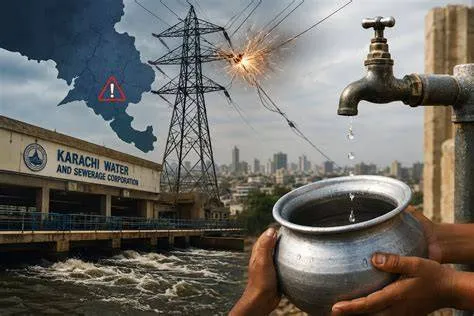
The water supply crisis in Karachi has escalated due to significant power outages affecting the Dhabeji pumping station, the central facility for the municipality’s water intake. These outages are attributed to long-standing administrative inefficiencies and infrastructural inadequacies. This situation was exacerbated on Sunday morning, 14 September, when a major power breakdown occurred at approximately 6:00 AM, leading to a halt in operations.

The Karachi Water and Sewerage Corporation reported that the electrical failure was caused by a severe cable breakdown within the infrastructure managed by K-Electric. This incident resulted in the non-functioning of ten out of the twenty-one heavy-duty pumps at the station. This interruption automatically affects the distribution networks across the city, illustrating the vulnerabilities in the local administrative framework.

The corporation’s spokesperson acknowledged that the shutdown of vital pumping units would lead to further degradation of water distribution citywide. While the local authorities struggled to liaise with K-Electric to restore power, they urged residents to limit their water usage amidst the ongoing turmoil.

Ongoing Infrastructure Challenges in Karachi

The recent power failure at Dhabeji is not an isolated incident; it is part of a troubling pattern of systemic issues facing Karachi’s water supply services. Historical records indicate that on 27 July, a similar power outage led to a shortage of 48 million gallons across various neighbourhoods, including North Nazimabad and Gulberg Town. The city experienced significant distress as residents grappled with inadequate water access due to these recurring failures.

In addition to the incidents in July, an earlier power failure in the same month disrupted operations at the K-2 Pump House, where maintenance issues arose, leading to the malfunctioning of critical pumping assets. These repeated disruptions indicate an underlying problem with urban service maintenance and the reliability of electrical supply for essential water infrastructure.

The suspension of supply lines from the Hub Pumping Station on 1 June, due to a cable malfunction, further compounded the crisis, resulting in a loss of 85 million gallons per day. Such frequent failures reveal the persistent challenges faced by the local administration in managing essential services effectively.

Responsibility and Future Outlook

The spokesperson for K-Electric attempted to shift some responsibility by stating that the primary cable fault was caused by a fire in nearby brushland, pointing out the inadequacies of land management around critical facilities. Despite this, the coordination between the power utility and municipal water officials remains crucial for addressing the dire situation.

Efforts to restore electricity and resume operations are ongoing, with K-Electric indicating that power would be reinstated as soon as possible. However, the persistent pattern of power breakdowns at municipal installations raises concerns about the reliability of water supply services in Karachi.

As the city continues to face these challenges, the impacts on its residents become increasingly pronounced. The urgent need for infrastructural improvements and better administrative practices is evident, as the population grapples with the implications of such widespread service failures.

Long or Short, get news the way you like. No ads. No redirections. Download Newspin and Stay Alert, The CSR Journal Mobile app, for fast, crisp, clean updates!

App Store –  https://apps.apple.com/in/app/newspin/id6746449540 

Google Play Store – https://play.google.com/store/apps/details?id=com.inventifweb.newspin&pcampaignid=web_share

Latest News

Popular Videos
