


Walnut Cultivation Boosts Economic Prospects for Kotranka-Budhal Farmers
The CSR Journal Magazine

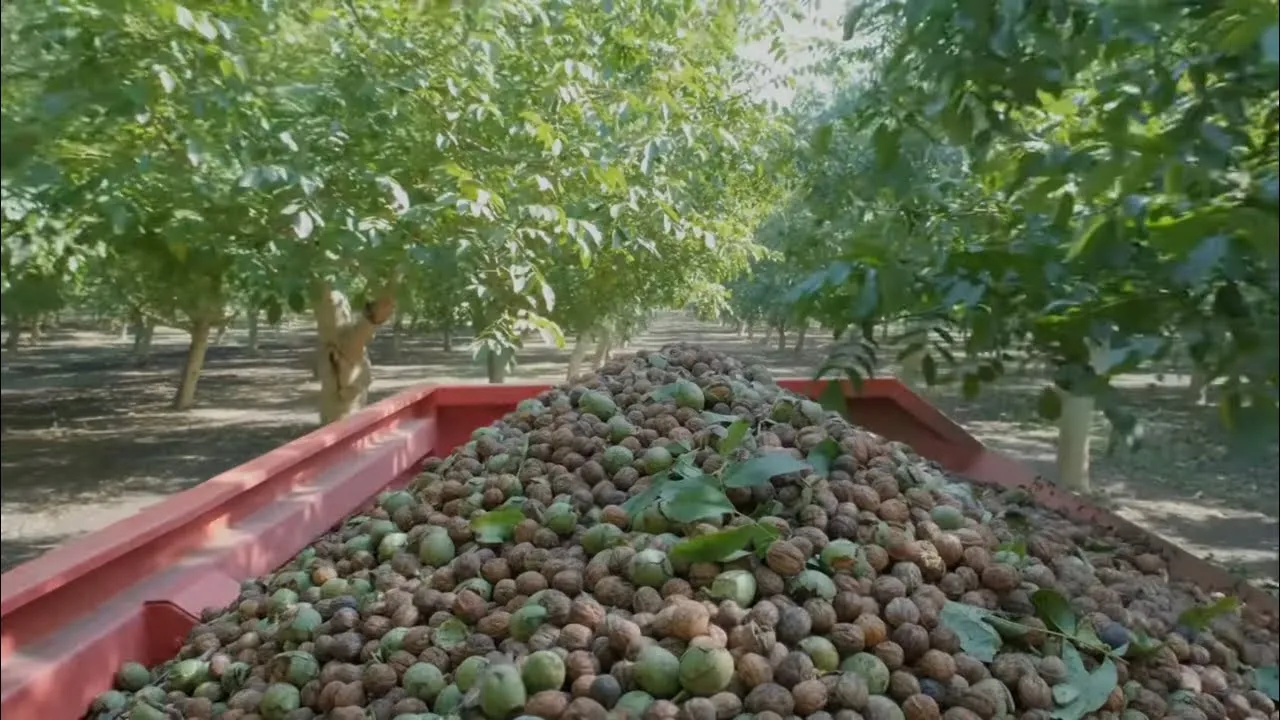
The recent increase in walnut production in the Kotranka-Budhal region of Rajouri district in Jammu and Kashmir is creating significant economic opportunities for local farmers. The Horticulture Department has been instrumental in promoting walnut cultivation and introducing new varieties suited for the area’s hilly terrain. Wali Mohd, a Field Technician from the department, indicated that numerous awareness camps are being held to motivate local residents to engage in walnut farming, resulting in a strong positive response.

Wali stressed the potential of walnut cultivation in generating self-employment, stating that trees yield fruit within six to seven months of planting. The local population has shown considerable enthusiasm towards these initiatives, with many aspiring to benefit from this lucrative agricultural option.

Local Farmers Embrace Walnut as Primary Crop

Farmer Shamsher Ahmed highlighted that walnuts are the principal crop in the region and are designated as Rajouri’s product under the One District One Product scheme. He emphasised the need for increased governmental focus on encouraging local landowners to plant more walnut trees, noting that current government subsidies are aiding farmers’ income from walnut production. “We cultivate high-density walnut varieties, and while apples are also grown, walnuts remain our primary crop,” Ahmed remarked.

Shakoor, a walnut contractor, shared that the region is known for its high-quality hill walnuts, many of which are transported to Jammu. He mentioned that even locals with only four or five walnut trees can earn an annual income from their produce. According to Shakoor, the income derived from walnut farming is substantial and sustainable, boosting the local economy.

Employment Opportunities Through Walnut-Related Activities

The increase in walnut production has also led to a rise in employment opportunities within the region. Local contractors are hiring workers from the community for various walnut-related tasks, thereby ensuring that the benefits of the crop extend beyond the farmers. Shakoor mentioned that all labourers are sourced from the local population, promoting community employment without relying on outsiders.

Azhar Mahmood, a technician at Budhal Nursery established in 1978, explained that the nursery cultivates various plant species, including walnuts and high-density apples. He noted the government’s current subsidy schemes, which offer substantial discounts of up to 80 per cent for plant purchases, making it more accessible for farmers to acquire quality seedlings.

Walnut contractor Mohammad Shabir, who has 30 years of experience in the industry, reported that his business currently supports around 500 to 600 local workers. He expressed gratitude for the assistance received from the Horticulture Department, including machinery support and subsidies, while also seeking additional facilities such as cold storage and water tanks to further enhance walnut cultivation.

Shabir’s request underscores a growing need for infrastructure development to sustain and expand walnut farming in the region. As the economic prospects grow, the local community remains hopeful for continued support from the government and other stakeholders to refine walnut production practices and infrastructure.

Long or Short, get news the way you like. No ads. No redirections. Download Newspin and Stay Alert, The CSR Journal Mobile app, for fast, crisp, clean updates!

App Store –  https://apps.apple.com/in/app/newspin/id6746449540 

Google Play Store – https://play.google.com/store/apps/details?id=com.inventifweb.newspin&pcampaignid=web_share

Latest News

Popular Videos
