


Ukrainian President Zelenskyy Seeks Support From European Leaders for Missile Defence Amid Russian Threats

The CSR Journal Magazine

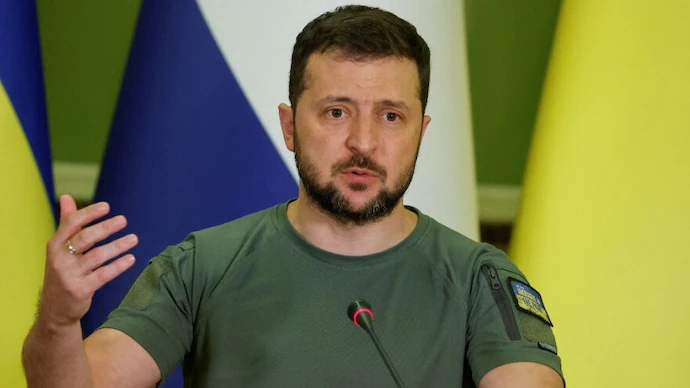
Ukrainian President Volodymyr Zelenskyy arrived in Paris on July 13, 2026, to solicit support from European leaders for enhanced measures against Russia’s ballistic missiles. This visit occurs as tensions escalate, with Russia maintaining its uncompromising stance on the ongoing conflict and issuing warnings of intensified retaliation following Ukrainian strikes within Russian territory.

Zelenskyy emphasised the importance of bolstering Ukraine’s anti-ballistic defence systems before the onset of winter, a period during which Russia typically increases its assaults on vital infrastructure, risking cuts to electricity, heating, and water supply. His arrival coincided with reports of Russia intercepting numerous Ukrainian drones aimed at Moscow, claiming to have thwarted a significant drone operation intended for military targets.

“Strengthening anti-ballistic defence is our top priority,” Zelenskyy stated through social media shortly after his arrival. Ukrainian officials are set to propose an Anti-Ballistic Program during meetings with government leaders, national security advisers, and defence companies capable of contributing to this initiative.

Coalition of the Willing and Regional Developments

The Paris conference, part of the Coalition of the Willing—which encompasses over 30 countries backing Ukraine—expected participation from approximately 25 heads of state and government. Concurrently, European foreign ministers convened in Brussels to deliberate on Ukraine’s requirements in light of perceived threats from Russia.

While Zelenskyy and European allies aim to capitalise on Ukraine’s recent military successes, Russian President Vladimir Putin has expressed an unwillingness to negotiate, dismissing Western efforts as futile. Kremlin spokesperson Dmitry Peskov referred to the coalition in Paris as a “group of warmongers” entrenched in a “profound delusion” with regard to inflicting strategic defeats on Russia.

In response to recent Ukrainian attacks on fuel infrastructure, Putin warned that any strikes on Russian soil would invoke a scientific escalation of force, signalling a clear intent to retaliate with greater severity.

Impacts of Drone Technology and Security Measures

Analysts and Western officials have reported that improvements in Ukraine’s drone technology have shifted the dynamics of the conflict in recent months. According to Robert Brovdi, commander of Ukraine’s Unmanned Systems Forces, Ukrainian operations successfully targeted 105 Russian vessels near Crimea within a span of one week. This campaign aims to disrupt Russian logistics and isolate Crimea, which has been significantly affected by the war since its illegal annexation by Russia in 2014.

The situation escalated further when a drone from Russian attacks landed in Moldova, prompting its foreign ministry to label the event as “serious and unacceptable.” In response, the Russian Federal Security Service claimed to have interrupted a Ukrainian plan targeting strategic air bases, alleging that small drones had been smuggled into Russian territory for potential strikes.

The complexities surrounding the conflict were further magnified by recent announcements from international leaders, specifically regarding military support to Ukraine. Following discussions, there remain considerable uncertainties concerning the deployment of advanced missile defence systems and how swiftly these can be realised.

Long or Short, get news the way you like. No ads. No redirections. Download Newspin and Stay Alert, The CSR Journal Mobile app, for fast, crisp, clean updates!

App Store –  https://apps.apple.com/in/app/newspin/id6746449540 

Google Play Store – https://play.google.com/store/apps/details?id=com.inventifweb.newspin&pcampaignid=web_share

Latest News

Popular Videos