


Trump Claims AI Regulation Supports China, Urges Focus on US Tech Dominance
The CSR Journal Magazine

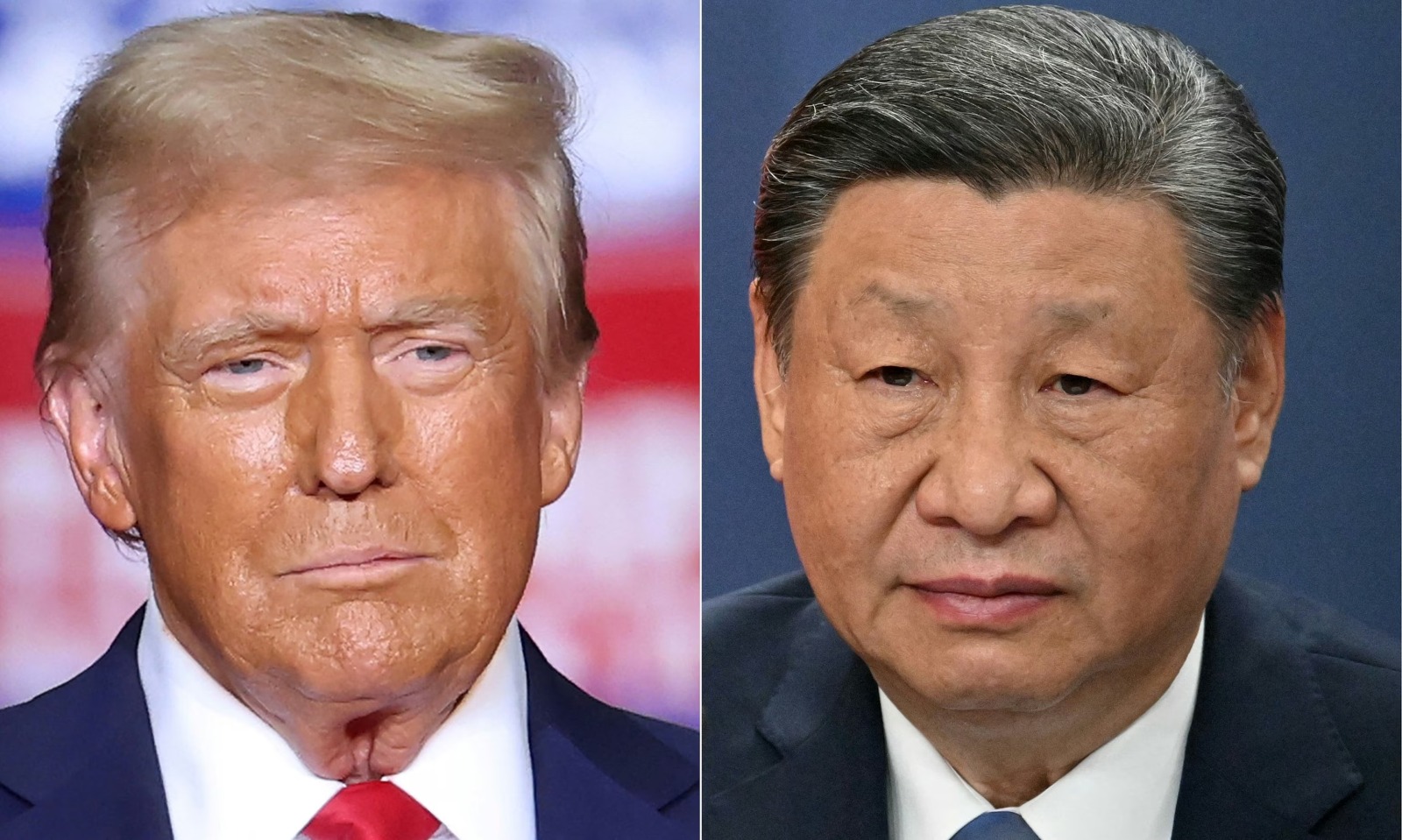
US President Donald Trump has asserted that opposition to data centres and artificial intelligence expansion is part of a “sick conspiracy” that compromises America’s technological dominance over China. His remarks come in response to Anthropic CEO Dario Amodei’s suggestion to decelerate AI development due to concerns about its rapid progression.

Amodei highlighted the accelerated development of AI systems, which could significantly enhance the creation of new AI models. He referred to this phenomenon as “recursive self-improvement,” warning that without adequate understanding and control, such advancements could surpass current limitations on safeguarding advanced technologies.

In a post on Truth Social, Trump dismissed the necessity for increased safety regulations, claiming that effective oversight requires a “strong and smart (high IQ!) president” rather than governmental intervention. He specifically targeted Amodei, accusing him of using safety fears as a pretext to hinder progress.

AI Regulation Seen as Beneficial to China

Trump framed the discussion surrounding AI regulation as advantageous to China. He contended that only China would benefit from the alleged conspiracy against AI and data centres. He emphasised that victory in AI would culminate in overarching success, declaring, “WHOEVER WINS AI, WINS!”

According to Trump, the discourse surrounding data centres arises from the United States’ substantial lead over other nations in technological fields. He cautioned against undermining this lead, stating, “Don’t kill the Golden Goose!”

His remarks coincided with China’s call for greater transparency and inclusiveness in AI development. A spokesperson from China’s Foreign Ministry remarked that “fear-mongering, confrontation and vicious competition” could hinder efforts in creating effective global governance for AI.

International Perspectives on AI Development

The dialogue around AI development has drawn mixed reactions internationally. The Chinese state-run publication Global Times criticized Amodei’s call for a slowdown, asserting that rapid advancements should not be framed as a national security threat but rather as a global challenge requiring cooperation.

OpenAI CEO Sam Altman remarked in a recent interview that leaders in the AI sector are likely to engage in creating a framework that emphasises risk mitigation. Altman noted that while he would not disclose specific discussions, it is plausible that collaboration will occur in the future.

This dialogue is further enriched by China’s push for international collaboration on AI regulations. At the recent BRICS Summit in New Delhi, President Xi Jinping advocated for a people-centred approach to AI, proposing an inclusive global governance framework.

China has suggested forming a BRICS AI open-source community as part of broader efforts to enhance cooperation on emerging technologies. These initiatives encompass digital industries, intelligent manufacturing, and talent in science and technology, signalling Beijing’s preference for collective advancement over a competitive stance.

Long or Short, get news the way you like. No ads. No redirections. Download Newspin and Stay Alert, The CSR Journal Mobile app, for fast, crisp, clean updates!

App Store –  https://apps.apple.com/in/app/newspin/id6746449540 

Google Play Store – https://play.google.com/store/apps/details?id=com.inventifweb.newspin&pcampaignid=web_share

Latest News

Popular Videos
