


Tehran Condemns Trump’s Proposal to Use Frozen Assets for Damages
The CSR Journal Magazine

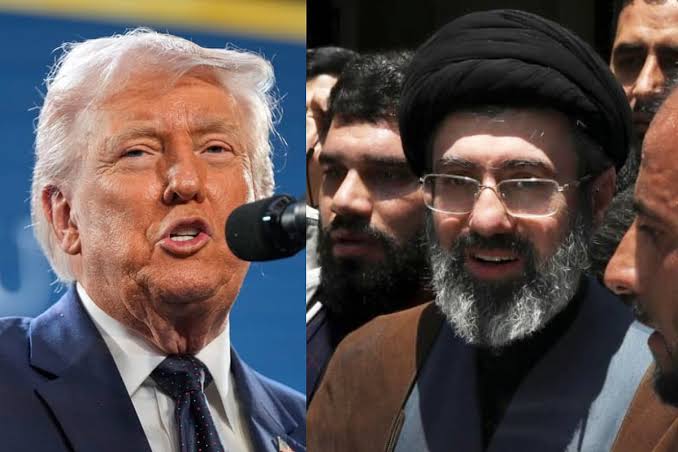
United States President Donald Trump stated his intention to utilise frozen Iranian assets to compensate for damages incurred to ships and cargo in the Strait of Hormuz. This assertion has received significant criticism from Tehran, which views the move as both aggressive and provocative.

In a message posted on his Truth Social platform, Trump indicated that the financial damages would be covered by “Iranian money that the United States has in its possession, and controls.” He acknowledged that the extent of damages might be considerable, but he characterised this action as a fair and just course of action.

Trump’s remarks come during a period of heightened tensions between the United States and Iran, which have intensified amid a series of retaliatory attacks and military posturing from both sides. On Thursday, the US completed its 13th consecutive night of strikes against Iranian targets, as Trump suggested the possibility of a “massive attack” exceeding previous military engagements.

Iranian Reaction to Trump’s Comments

Iranian Foreign Minister Abbas Araghchi promptly responded to Trump’s remarks, labelling them as incendiary. He conveyed his discontent in a post on X, expressing that appropriating another nation’s assets to settle unrelated claims sets a dangerous precedent.

Araghchi cautioned that those who derive benefits from such actions should recognise the risks involved; once asset seizure becomes normalised, the safety of all nations’ resources is compromised. He warned that the consequences of such chaos would not be peaceful.

This exchange highlights the ongoing debate surrounding Iran’s frozen assets, which have been a topic of negotiation in a now-defunct memorandum of understanding (MoU) signed by Tehran and Washington in June. For years, various governments, including the US, have maintained restrictions on Iranian financial resources.

Historical Context of Frozen Assets

The issue of frozen Iranian assets has a longstanding history, with an estimated $100 billion reportedly being held beyond Iran’s access. This freezing of funds dates back to 1979, following the hostage crisis at the US embassy in Tehran, when Iranian nationals seized control of the diplomatic facility.

The disputes surrounding these financial resources have contributed to the complex relationship between the two nations, which has seen cycles of negotiation and confrontation. Trump’s recent declaration reinforces the severity of the current geopolitical climate.

In conjunction with these comments, Trump has promised “major military punishment” for Iran and its allied forces following recent attacks by Yemeni Houthi fighters on Saudi oil tankers in the Red Sea. This military stance adds another layer of tension to the already volatile situation.

On Friday, the Iranian military announced a new wave of drone strikes targeting US military installations in Bahrain and Jordan, as reported by the state-affiliated Mehr News Agency. This escalation underlines the increasing hostilities in the region, raising concerns about further military conflict.

Additionally, ship tracking data reviewed by Reuters revealed a sharp decline in the number of tankers traversing the Strait of Hormuz, which fell to just one on Thursday. This marks the lowest traffic level observed since May 7, indicating the impact of regional tensions on commercial maritime operations.

Long or Short, get news the way you like. No ads. No redirections. Download Newspin and Stay Alert, The CSR Journal Mobile app, for fast, crisp, clean updates!

App Store –  https://apps.apple.com/in/app/newspin/id6746449540 

Google Play Store – https://play.google.com/store/apps/details?id=com.inventifweb.newspin&pcampaignid=web_share

Latest News

Popular Videos
