


Tamil Nadu Reveals 12,000-Year-Old Fossil Site After Heavy Rains
The CSR Journal Magazine

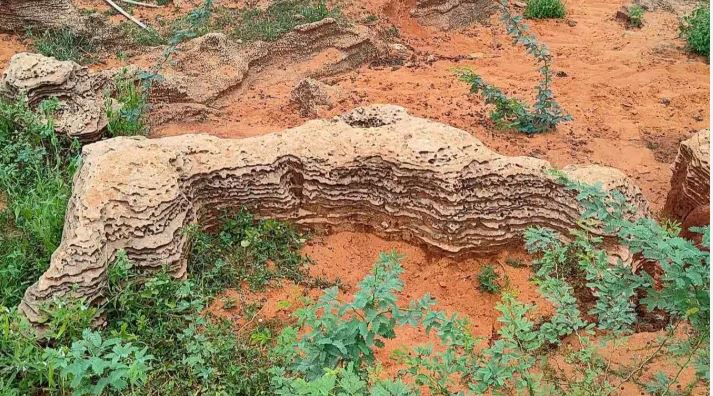
A significant fossil site, believed to be around 12,000 years old, was recently uncovered in Tamil Nadu following heavy rainfall in the region. The rain led to the erosion of soil and sediment, revealing various fossilised remains that have attracted the attention of paleontologists and researchers. This discovery provides a valuable glimpse into ancient ecosystems and the life forms that inhabited the area during that time.

The excavation site is located close to the city of Thanjavur, where local inhabitants first noticed the emergence of the fossils after showers disrupted the usual landscape. Volunteers and local archaeologists quickly mobilised to investigate the area further. Their initial findings include the remains of various plant and animal species that existed during the Pleistocene epoch, a period characterised by significant climatic changes.

Researchers have claimed that this site could be crucial for understanding the evolutionary history of species in South India. The fossil remains encountered include large mammals and significant flora that were once part of the region’s ecosystem, thus aiding in reconstructing the past environments in Tamil Nadu.

Significance for Scientific Research

This discovery is deemed highly significant for scientific research, as it may provide insights into the climate and ecology of ancient India. Experts suggest that studying the newly uncovered fossils could reveal information about how species adapted and evolved over millennia amidst changing climatic conditions. Such data could also have broader implications for understanding migration and extinction patterns in prehistoric times.

The fossil remains will undergo rigorous scientific analysis to ascertain their age and origin accurately. Departments within several universities, including the University of Madras and Banaras Hindu University, are likely to collaborate on studies involving the site. This research will focus not only on the fossils themselves but also on the surrounding geology that supports the findings.

Additionally, the revelation of this site could spark increased interest in paleontological studies in the region, encouraging educational programs and further expeditions aimed at uncovering more about Tamil Nadu’s prehistoric past. The community’s involvement in uncovering these fossils also highlights the potential for citizen science in archaeological efforts.

Future Prospects and Conservation Efforts

As excitement builds around the discovery, there is a pressing need for conservation efforts to protect the site. Authorities in Tamil Nadu are reportedly considering measures to ensure that the area remains undisturbed while research activities are ongoing. It is essential to balance exploration and excavation with the preservation of the newly found fossils and the ecological integrity of the site.

Plans may include creating protected zones around the excavation area to safeguard it from potential harm caused by human activity. It is expected that local government and environmental organisations will play a vital role in developing frameworks that enable sustainable research while promoting awareness about this significant archaeological find.

Long-term strategies may also involve workshops and educational outreach programs aimed at informing the public about the importance of paleontological research. Encouraging community participation can foster a sense of shared responsibility for protecting and cherishing such vital remnants of the Earth’s history.

Long or Short, get news the way you like. No ads. No redirections. Download Newspin and Stay Alert, The CSR Journal Mobile app, for fast, crisp, clean updates!

App Store –  https://apps.apple.com/in/app/newspin/id6746449540 

Google Play Store – https://play.google.com/store/apps/details?id=com.inventifweb.newspin&pcampaignid=web_share

Latest News

Popular Videos
